Sharrah Pool sits in the River Dart gorge, deep inside Dartmoor National Park in Devon, reached by a 2.1-mile walk through ancient oak woodland from the New Bridge car park at Newbridge. It is one of the most consistently recommended wild swimming spots in Dartmoor — a natural pool approximately the length of an Olympic swimming pool, formed where the Dart widens between two cascades in a steep granite gorge — and the setting, with moss-covered boulders, resident kingfishers, and water that glows emerald in afternoon light, makes it one of the most visually distinctive freshwater swim spots in southwest England. This guide covers how to get there, what to expect, and when to go.
- Starting point: New Bridge car park, TQ13 7NT — £2 all-day parking; 10 minutes from Ashburton, 15 from Widecombe-in-the-Moor
- Walk: 2.1 miles (3.4km) each way, approximately 50–60 minutes, 150m elevation gain; difficulty is easy but the path is rocky and uneven in places
- The pool is approximately 60 metres in length, deep in the centre, with shallow rock shelves at the edges and a small gravel beach for easy entry
- Grid reference: SX712708 — the pool is at the end of the woodland path through Holne Woods, just after a small waterfall
Sharrah Pool’s Location and How to Get There
Where Sharrah Pool is — the River Dart gorge in Dartmoor
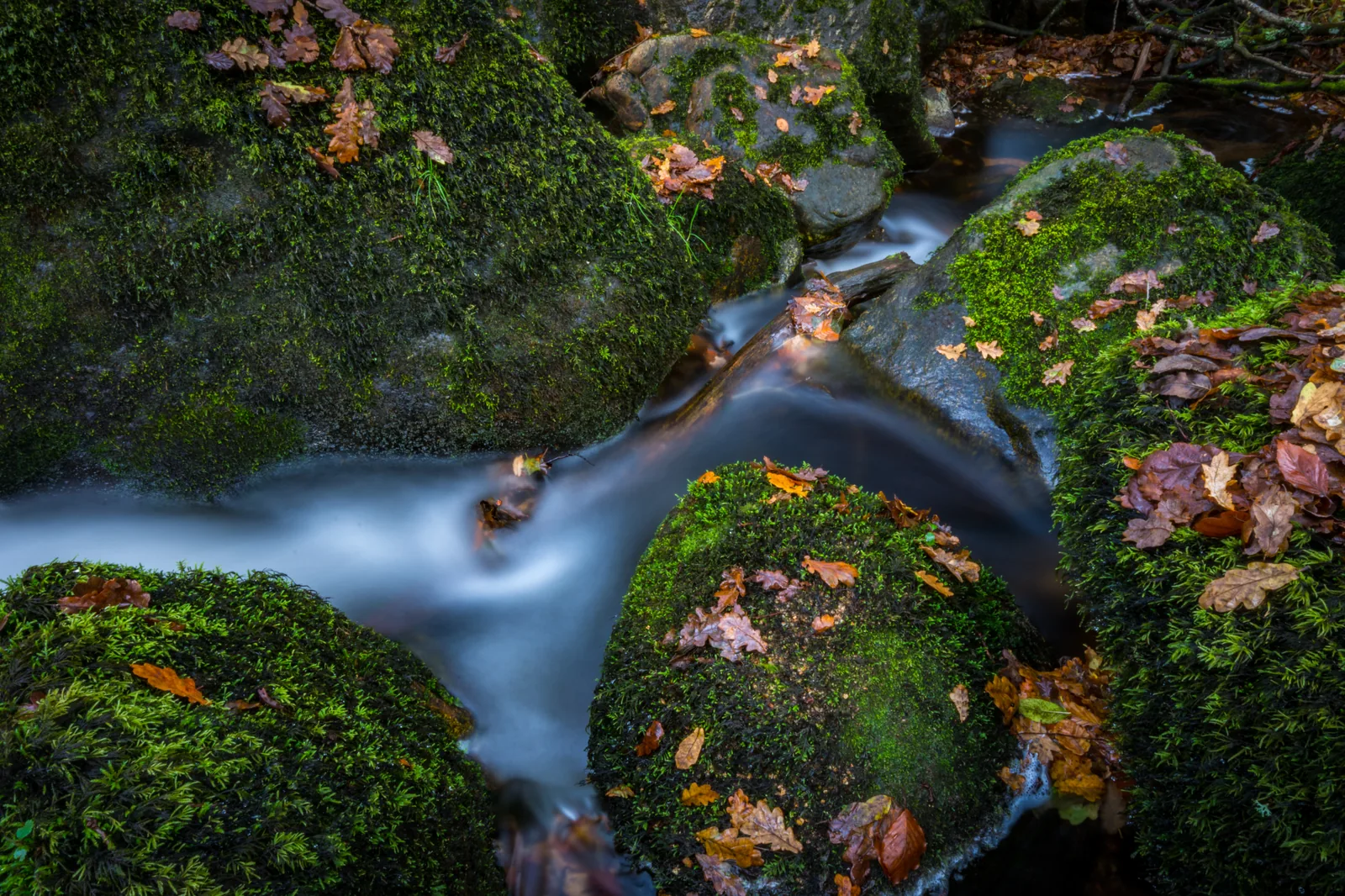
Sharrah Pool lies on the East Dart — or, more precisely, on the main River Dart upstream of Dartmeet — within the steep-sided wooded gorge that cuts through the south of Dartmoor National Park between Dartmeet and Holne Bridge. This gorge, known as the Dart Valley or the Holne Woods section of the Dart, is managed in part by the National Trust as part of the Dartmoor estate, which owns Holne Woods and maintains the path network along the river. The landscape here is very different from the open moorland most visitors associate with Dartmoor: the gorge is densely wooded with ancient sessile oak, ash, and rowan, the riverbanks are covered in mosses and ferns, and the narrow path runs through an environment that feels remote and enclosed despite being only a short walk from a car park. The River Dart is fed by the granite uplands of Dartmoor, which gives the water its characteristic clarity and slightly peaty amber tint; the emerald appearance at Sharrah Pool comes from the reflection of the woodland canopy overhead.
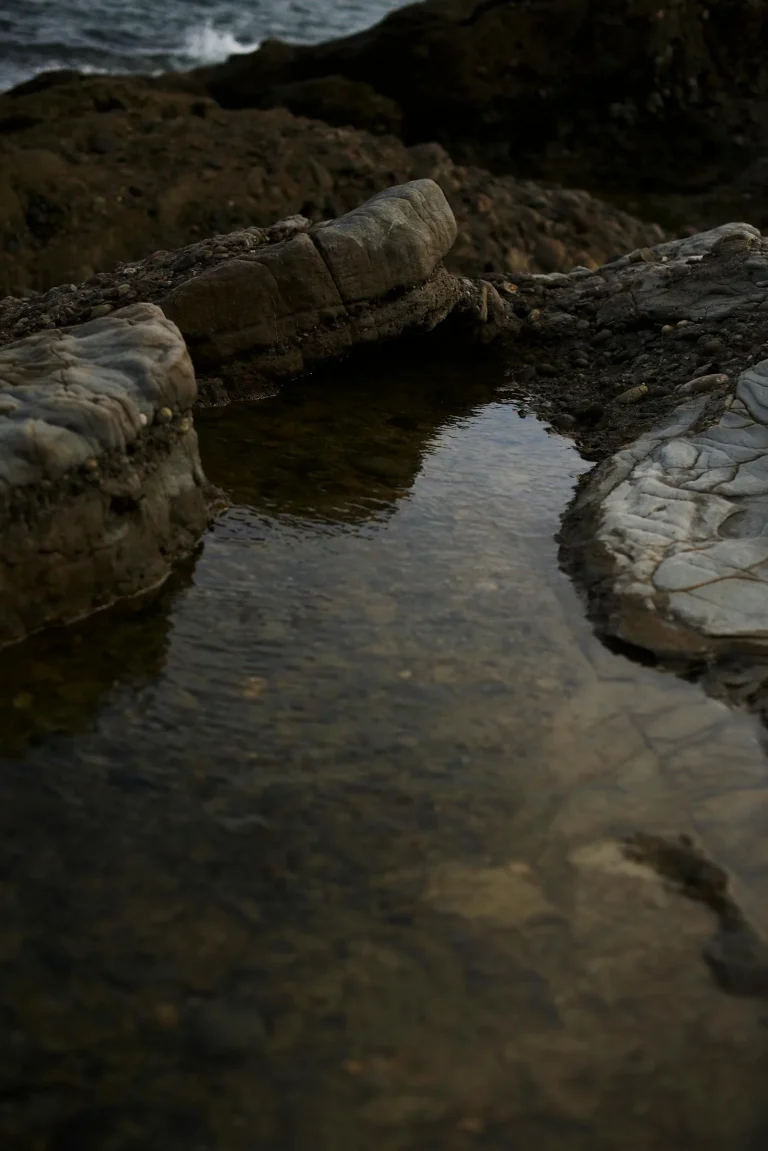
The pool sits at approximately grid reference SX712708. It forms where the river widens and slows between two rock cascades, creating a stretch of calm, deep water roughly 60 metres in length and perhaps 20 metres at its widest — significantly larger than most named wild swimming pools in the South West. The banks on both sides are formed by granite slabs and boulders, with small pockets of gravel and sand at the water’s edge. A rope swing is located on the far bank. The depth drops sharply immediately beyond the shallow rock shelf entry points, making it suitable for both cautious dippers and those who prefer to jump from the rocks above.
The walk from New Bridge: route, distance, and what to expect
The standard access route begins at the New Bridge car park (postcode TQ13 7NT, also known as Newbridge), which charges £2 for all-day parking. From the car park, cross the bridge over the Dart and go through the gate on the far side, joining the forestry track that runs through Holne Woods along the southern bank of the river. The initial section follows a clear wide track through the National Trust woodland. After roughly 30–40 minutes the track narrows to a single-file path; from this point the walking becomes more demanding, with tree roots, uneven stone, and moderate ascents and descents as the path follows the contours of the gorge. The total walk is 2.1 miles (3.4km) each way with approximately 150m of cumulative elevation gain — not technically difficult, but not entirely flat either. Walking time from the car park to the pool is approximately 50–60 minutes at a steady pace.
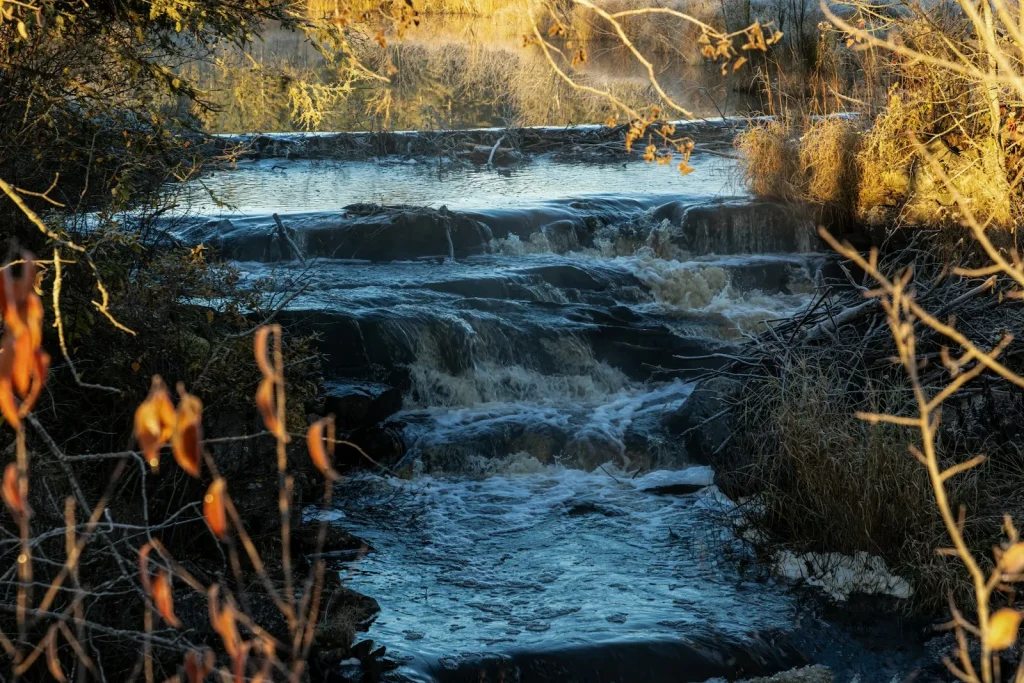
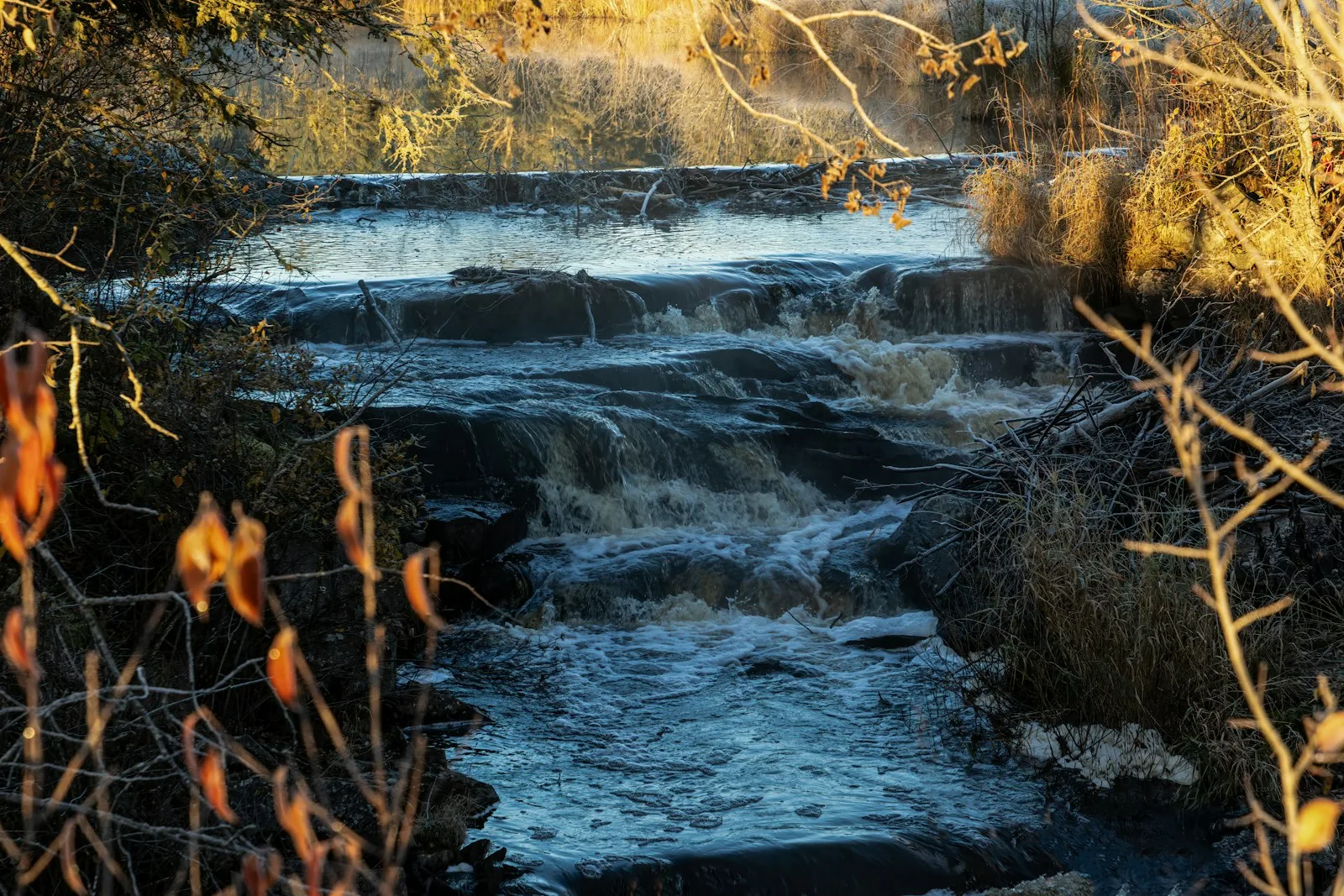
A small waterfall marks the final approach to Sharrah Pool — after crossing it, the path descends into a flatter open area of woodland, and the pool appears on the right as the river widens and quietens. The change in the river’s character is unmistakable: the turbulent, shallow sections give way abruptly to the deep, still pool. There is no single car park closer to the pool; New Bridge is the established and recommended starting point. An alternative approach is possible from the Holne village side, but the New Bridge route is better maintained and more straightforward for first-time visitors.
The Swimming Experience: Pool, Water, and Wildlife
The pool itself: depth, entry, and what the swim is like
Sharrah Pool is one of the longest natural freshwater pools accessible to wild swimmers in Dartmoor, at approximately 60 metres in length — a scale that makes it possible to swim proper lengths rather than simply float. The depth increases sharply just beyond the entry point: the rock shelves that line both sides of the pool give way quickly to deep, dark water in the centre channel, while the margins remain shallower and are suitable for children and less confident swimmers. The gravel beach on the south bank provides the most straightforward entry, allowing waders to feel their way in gradually before the bottom drops away. For those who prefer to jump, there are rocks above the pool at the upstream end from which the depth is sufficient for jumping safely — though swimmers should always check conditions before jumping from any height, as water levels and the precise depth at the entry point vary with rainfall.
The water is cold throughout the year by the standards of outdoor swimming in Britain — the River Dart drains the high granite moorland, where rainfall is substantial and the catchment keeps water temperatures low. Typical summer temperatures in the mid-Dart are in the range of 12–15°C, warmest in August and September following sustained summer weather. The water is extraordinarily clear: visibility to the bottom in the deeper sections is possible on calm days, and the absence of significant algae growth (common in warmer, nutrient-richer water bodies) is a product of the upland catchment’s low agricultural runoff. The slight amber tint from dissolved moorland peat is characteristic of many Dartmoor rivers and is entirely natural.
Wildlife, woodland, and the pools beyond Sharrah
The River Dart gorge around Sharrah Pool supports a distinctive assemblage of freshwater and woodland species. Kingfishers are regularly sighted along this stretch, hunting from low branches over the river. Dippers — compact brown birds with white bibs that walk underwater to feed on invertebrates — are characteristic of Dartmoor’s upland rivers and are frequently seen at Sharrah. Grey wagtails work the water margins year-round. In the water itself, brown trout, minnows, and bullheads (stone loach) are present in the shallows and can be observed from the banks without disturbance. The woodland itself is ancient Atlantic oak woodland, designated as a Site of Special Scientific Interest, with a rich understory of mosses, liverworts, and ferns that indicate long-standing ecological continuity.
For swimmers who want to explore further, a second, smaller pool lies approximately 150 metres upstream of Sharrah, with a cascade feeding into it. Several other named swimming spots on the Dart — including Spitchwick Common, which is more accessible and more crowded — are within a few miles. Spitchwick is a large, open common beside the Dart with easier access, less shade, and significantly more visitors on warm summer days; Sharrah Pool’s relative inaccessibility (requiring the 2.1-mile walk) keeps it quieter, though it is not unknown even on busy summer weekends. For other wild and natural swimming destinations in southern England, our guide to natural swimming pools covers ecological alternatives to chlorinated pools, and our guide to outdoor swimming pools and lidos across the UK covers managed open-water facilities.
Planning Your Visit: Timing, Safety, and What to Bring
Best times and conditions for visiting Sharrah Pool
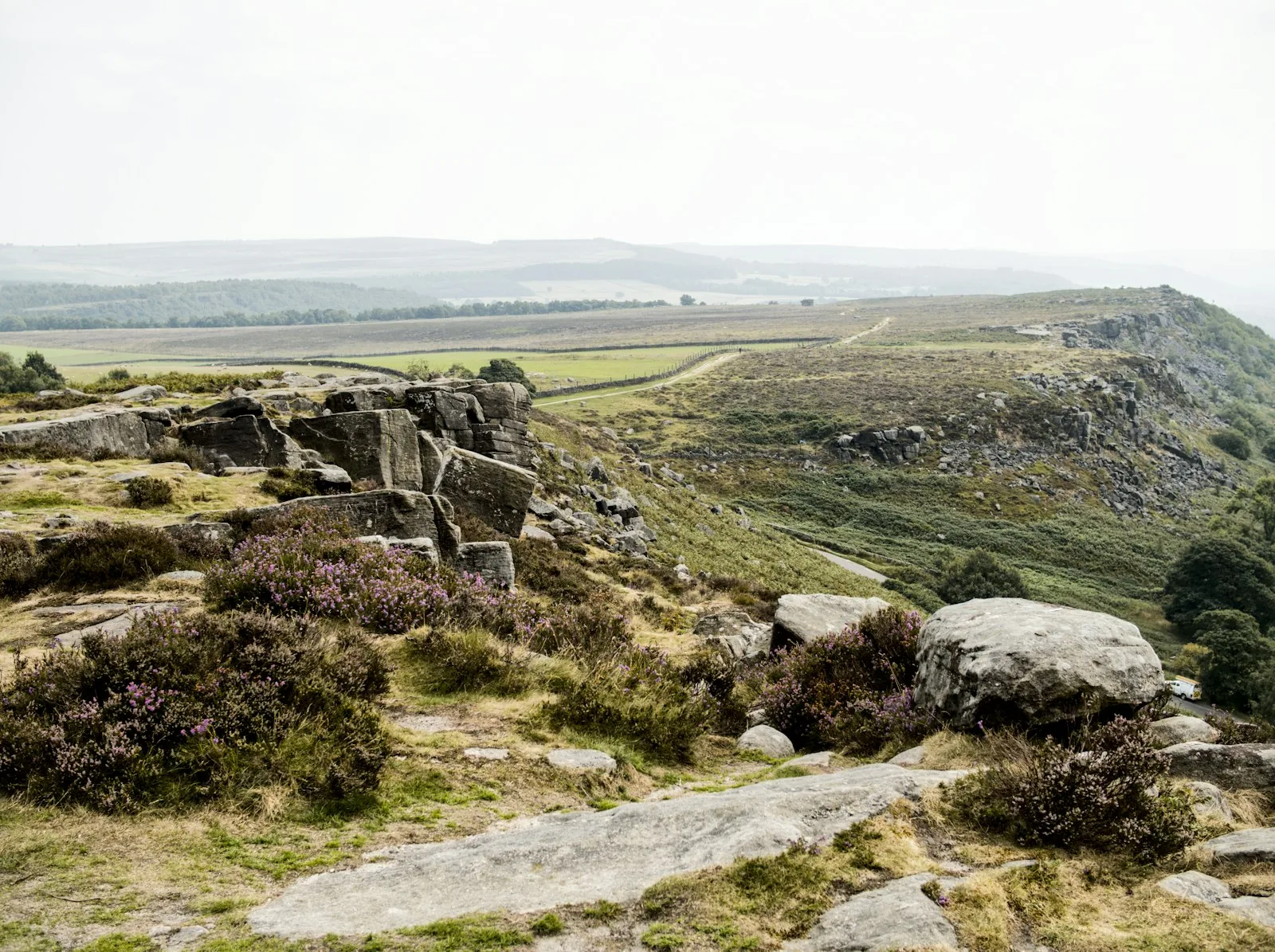
Sharrah Pool is accessible and swimmable year-round, though conditions vary significantly with season and weather. The best combination of water temperature, day length, and manageable crowds falls in June through early September. Arriving early in the morning or in the early evening on warm summer days significantly reduces the number of other visitors; the pool is at its most crowded between 11am and 3pm on warm weekends and school holiday days in July and August, when the number of people at the pool can make the experience feel more like a public beach than a remote wild swim. Early morning visits in any season have the added benefit of better wildlife sightings — kingfishers and dippers are most active in the early hours.
The condition of the River Dart after rainfall is a critical variable. The Dart drains a large upland catchment and can rise dramatically after prolonged or heavy rain on the moors — within hours of a significant rainfall event, the river can increase from a gentle, swimmable flow to a powerful torrent with strong currents and raised, turbid water. The Environment Agency’s river level checker shows live readings for the Dart gauging stations, which can be checked before setting out. As a general rule, if the Dart at New Bridge is visibly fast-flowing, coloured brown, or notably above its normal level, the pool at Sharrah will be unsafe for swimming. Winter visits are possible and can be atmospheric — the woodland is quieter, the mist is frequent, and the cold water is extreme — but require proper acclimatisation and experience with cold water immersion.
Safety on the River Dart and what to bring
The River Dart has a well-documented history of flood events, and the section around Sharrah Pool is no exception. The same features that make the gorge scenic — the narrow valley, steep banks, and granite substrate — cause water levels to rise rapidly when the upland catchment drains after rain. Swimmers should never enter the water if the river is running fast or visibly coloured; the deep channel at Sharrah Pool creates a strong downstream current in high-flow conditions that would be extremely difficult to swim against. Children should always be supervised on the rock shelves, which are often wet and slippery and overhang the deeper sections of the pool. The walk back to New Bridge is over rough terrain; in deteriorating weather, allow extra time for the return journey.
For a successful visit, bring: non-slip water shoes (the approach path and pool entry points are rocky, and bare feet on wet granite can result in falls); a towel and warm layers to change into after swimming (even in summer, the water is cold enough that shivering can begin quickly after exit); enough food and water for the 4.2-mile round walk; and a waterproof layer, since the gorge is sheltered but Dartmoor weather changes quickly. There are no facilities at the pool itself — no toilets, no food, no phone signal in the lower parts of the gorge. The nearest facilities are at the New Bridge car park area. Leave no trace: the pool’s continued pristine quality depends on visitors carrying out all rubbish and not disturbing the wildlife or woodland habitat. See also our guides to Eskdale Pools for wild swimming on the River Esk in Cumbria, and the Pools of Dee in the Cairngorms for comparable upland river swimming experiences in northern Britain.
Frequently Asked Questions
Where is Sharrah Pool in Dartmoor?
Sharrah Pool is on the River Dart in the Dart gorge, within Dartmoor National Park, Devon. It lies approximately 2.1 miles (3.4km) upstream from the New Bridge car park at Newbridge (TQ13 7NT), along a path through Holne Woods. The grid reference is SX712708. It is approximately 10 minutes’ drive from Ashburton and 15 minutes from Widecombe-in-the-Moor.
How long is the walk to Sharrah Pool?
The walk from New Bridge car park to Sharrah Pool is 2.1 miles (3.4km) each way — a 4.2-mile (6.8km) round trip. Walking time is approximately 50–60 minutes each way at a moderate pace, with 150m of elevation gain. The route follows the southern bank of the River Dart through Holne Woods on a clear but rocky and undulating path. Good footwear is required.
Is Sharrah Pool deep enough to jump into?
Yes — the pool deepens quickly beyond the shallow rock shelves at the entry points, and there are rocks at the upstream end from which jumping is possible. However, always check conditions before jumping: water levels and pool depth vary significantly with rainfall, and the rocks above the pool must be assessed for safe clearance on the day. Never jump into unknown water without first checking depth and obstacles. The main pool entry via the gravel beach is the safest way in for children and those unfamiliar with the site.
When is the best time to visit Sharrah Pool?
June to early September offers the best combination of water temperature and day length. To avoid crowds, arrive early morning (before 10am) or in the evening (after 4pm) on warm days. Spring and autumn visits are quieter and equally scenic. Avoid visiting within 24–48 hours of significant rainfall on the moors, when the Dart runs high and swimming becomes unsafe. Check the Environment Agency’s river level data for the Dart before setting out.
Is Sharrah Pool safe to swim in?
In normal conditions (settled weather, no significant recent rainfall), Sharrah Pool is safe for experienced swimmers and reasonably confident adults and older children. The main risk is the river’s response to upland rainfall — the Dart can rise rapidly, and the pool can become dangerous within hours of heavy rain. Never swim if the river is visibly fast, discoloured, or above normal level. The pool is cold year-round; hypothermia risk is real, especially in spring and autumn. Supervise children closely near the rock shelves, which are slippery and overhang deep water.