Natural swimming pools replace chlorine with aquatic plants and biological filtration, creating a chemical-free place to swim that looks and behaves more like a garden pond than a conventional pool. In the UK they split into two categories: private garden installations that cost from £60,000 to £300,000+, and publicly accessible natural ponds and lidos such as Hampstead Heath or Windermere where you can swim for free or a few pounds. Whether you want to build one or simply find the nearest natural swimming spot, this guide covers the costs, the biology, the planning rules and the best public options across the UK.
- Natural swimming pools use aquatic plant filtration — no chlorine, no harsh chemicals
- UK private installations range from £60,000 for a compact 20m² pool to £300,000+ for large ponds
- Most residential natural pools do not require planning permission under permitted development rights
- The swim zone can make up a maximum 50% of the total pond — the rest is the biology (planting) zone
- Public wild swimming spots including Hampstead Heath Ponds offer natural swimming for free or a small entry fee
What Is a Natural Swimming Pool and How Does It Work?
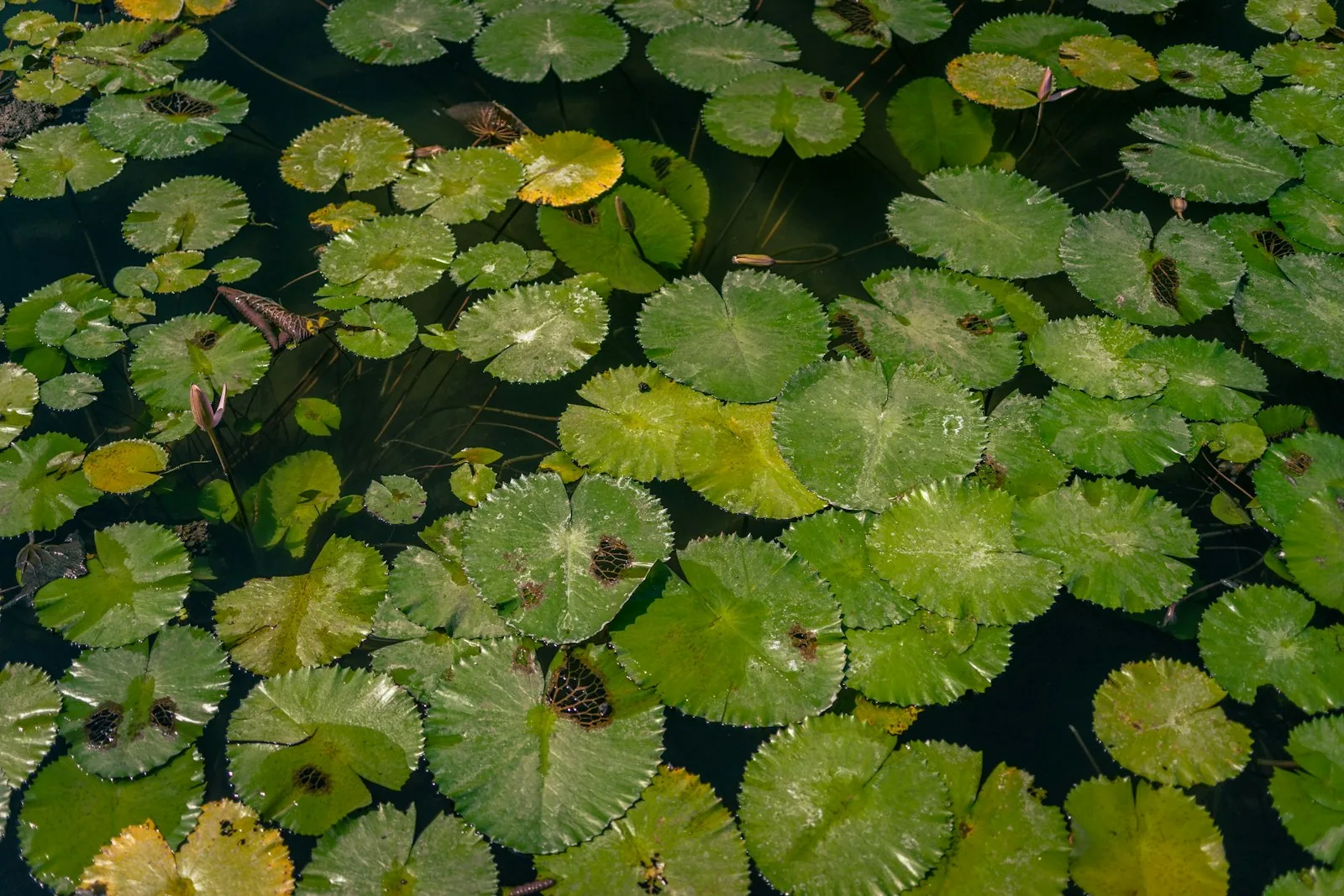
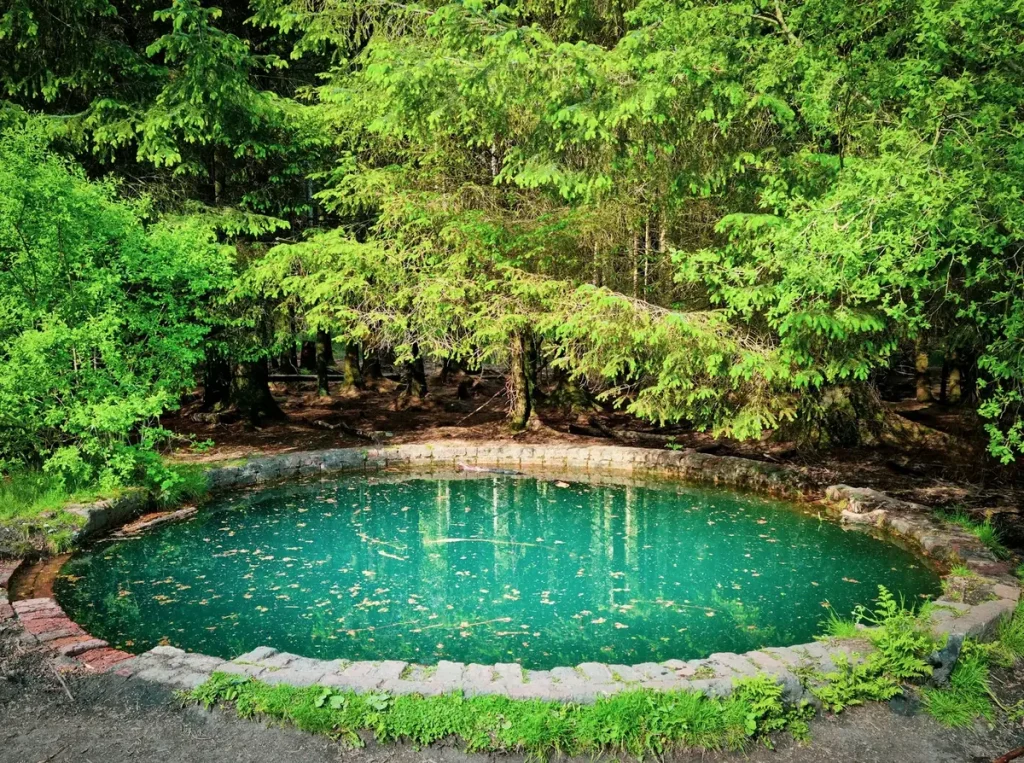
A natural swimming pool (or swimming pond) is a recirculating body of water that stays clean through biological and mechanical processes rather than chemicals. The design divides the water into two zones: the swim zone, where you actually swim, and the regeneration (planting) zone, where aquatic plants and gravel filter the water. Water circulates continuously between the two via hidden suction pumps and perforated pipes that draw water through plant roots before returning it to the swim zone.
The Biology Zone: How Plants Filter the Water
The regeneration zone is the engine of a natural pool. Aquatic plants — typically rushes, water irises, pond sedges and submerged oxygenators — absorb nutrients from the water that would otherwise feed algae. Without chlorine, controlling nutrients is everything: if the nutrient load is too high, algae bloom and visibility drops. A well-designed planting zone, combined with gravel beds through which water flows slowly, replicates the same filtration process found in natural rivers and wetlands.
The swim zone must account for a maximum of 50% of the total pond area. So a 20m² swim zone requires a total pond area of at least 40m² to provide sufficient planting. Per Homebuilding, costs run at roughly £300–£600 per square metre — meaning the per-metre price reflects the total pond, not just the swim area.
Natural Pools vs Natural Living Pools
Two main product types exist in the UK market. A naturalistic swimming pond is designed to look indistinguishable from a natural garden pond — planted margins, gently sloping edges, and materials that blend into the landscape. A natural living pool (or semi-formal pool) uses more structured design: blockwork walls, coping and a liner, with the biology zone built as a separate, clearly delineated section. Living pools require daily cleaning via pool robot during the swimming season and covers when not in regular use, but the water quality is generally more consistent.
Herbaceous aquatic plants in both types need cutting back in late autumn. Otherwise, maintenance is significantly lower than for a chlorinated pool — no chemical dosing, no pH balancing, and no algaecide treatments. In the UK, a well-built natural pool typically offers comfortable swimming from April through to November.
How Much Does a Natural Swimming Pool Cost in the UK?
Natural swimming pools are not cheap to install. The cost range is wide and driven primarily by size, design complexity and site conditions — but every quote from a reputable specialist will include design, excavation, liner, planting and pump installation as a package.
Cost by Pool Type and Size
According to Homebuilding’s guide, a natural living pool for a 20m² swim zone costs approximately £60,000. For naturalistic swimming ponds, specialist company Gartenart publishes detailed pricing:
| Pool type | Scale | Cost (incl. VAT) |
|---|---|---|
| Naturalistic swimming pond | Entry level | From £150,000 |
| Naturalistic swimming pond | Mid-range (170 sqm total) | Approx. £200,000 |
| Naturalistic swimming pond | Large (30m length) | Approx. £300,000 |
| Semi-formal / structured | Entry level | From £200,000 |
| Semi-formal / structured | 12m swim length | Approx. £250,000 |
Semi-formal designs cost roughly 35% more than naturalistic designs of the same swim area, due to the blockwork walls, coping stones and more complex liner application. Sloped ground, clay soil, groundwater issues and difficult access all add to costs. Some smaller swimming ponds — particularly those installed by regional landscapers rather than specialist pool companies — have been built for £75,000–£100,000, though these typically involve simpler designs and smaller swim zones.
Planning Permission and UK Regulations
Under permitted development rights, most natural swimming pools in the UK do not require planning permission, provided:
- The pool does not exceed 50% of the garden area
- It is positioned in the rear garden
- It is at ground level and open to the sky
- The property is not listed or in a conservation area
If your home is a listed building or sits in a National Park, Area of Outstanding Natural Beauty or Conservation Area, planning permission is required regardless of size. A natural pool counts as a garden feature under planning law, and local planning authorities can have specific requirements — always check before starting groundworks.
In practice, most applications for natural pools in ordinary residential gardens proceed under permitted development and do not require formal consent. However, if your pool design involves significant engineering (retaining walls, pumping stations, structural elements above ground), Building Regulations may apply even where planning permission is not needed. Your installer should clarify both sets of rules before works begin. Keep records of any pre-application correspondence with your local planning authority in case queries arise during or after construction.
Public Natural Swimming Spots in the UK
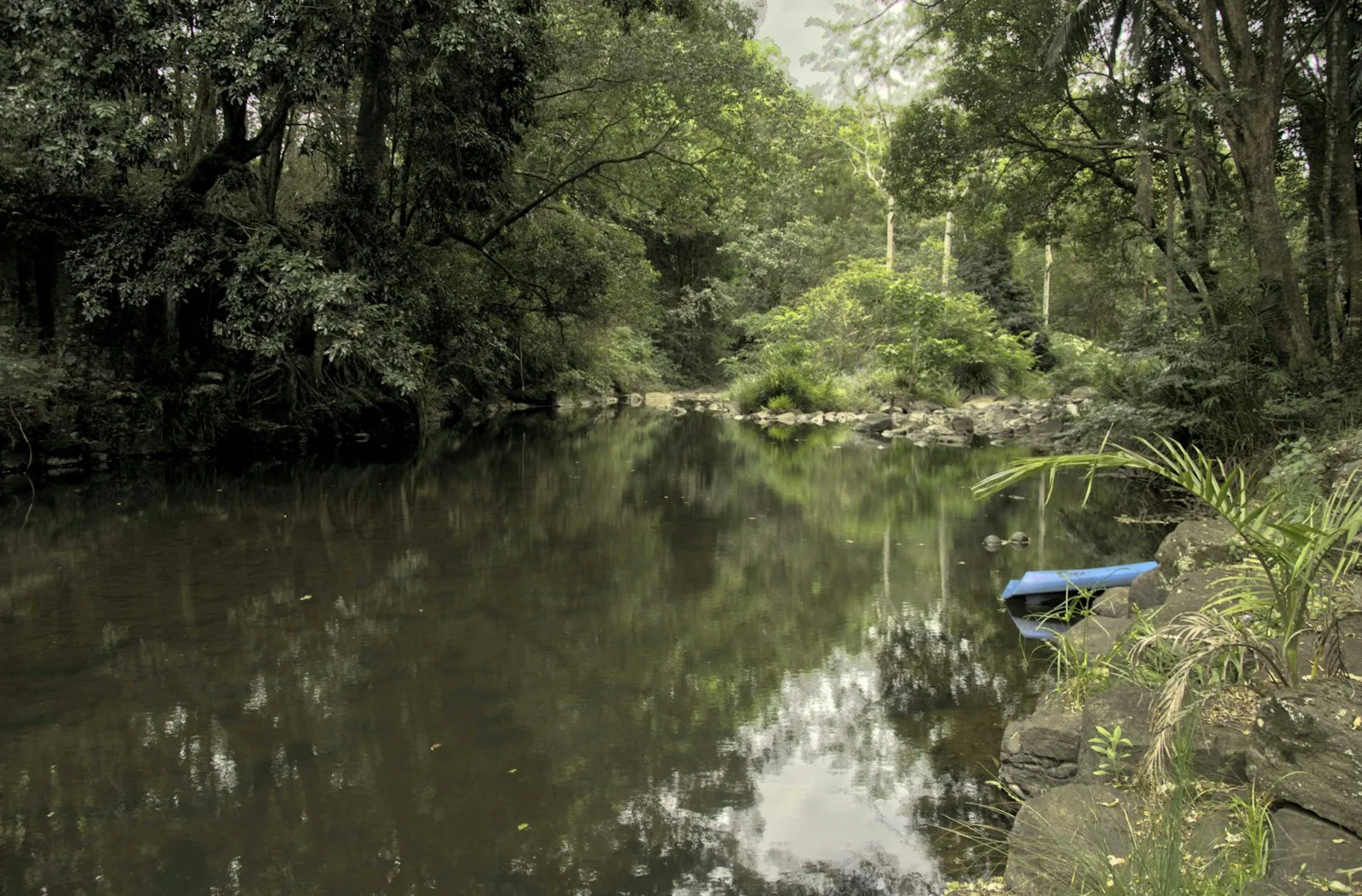
If you want to experience natural swimming without building your own pool, the UK has an impressive range of publicly accessible natural ponds, lidos and wild swimming locations. These range from free access in open water to small-entry-fee managed ponds.
London’s Natural Swimming Ponds
Hampstead Heath Ponds in north London are the UK’s most famous managed natural swimming ponds. There are three pools — a women’s pond, a men’s pond and a mixed bathing pond — all fed by natural springs and filtered biologically without chemicals. The City of London Corporation manages them year-round. Each is set in a nature reserve and populated with wildlife including moorhens, dragonflies and herons. Entry typically costs a few pounds or is free during certain sessions.
The Serpentine Lido in Hyde Park is a more structured natural option — a designated swimming zone in the Serpentine lake, open to the public in summer months with a small entry fee.
Lake District and Rural Wild Swimming
Windermere is the largest natural lake in England and accessible for wild swimming at multiple points around its shores. Rydal Water, between Grasmere and Ambleside, is known for calm, sheltered conditions. Derwentwater near Keswick is surrounded by dramatic fells and is a popular wild swimming location throughout summer. All three are part of the Lake District National Park.
Outside London and the Lake District, Pool Bridge Farm near York offers four managed lakes for wild swimmers just 10 minutes from York city centre. For a comprehensive map of natural swimming locations near any postcode, Sophie’s Suitcase’s wild swimming guide covers 75+ UK locations with accessibility notes.
Finding a Natural Swimming Pool or Pond Near You
The best tools for finding accessible natural swimming near you:
- Wild Swim Map (wildswim.com) — community-sourced database of open water swimming locations across the UK
- Outdoor Swimmer magazine’s location finder — filters by managed ponds, lidos and river swimming
- Better’s Centre Locator — Better operates 9 outdoor lidos that offer natural or near-natural open air swimming as part of their leisure network
- Better Health Channel open water listings — several Better sites include outdoor open water sessions
When choosing an open water swimming location, safety matters as much as the experience. Managed sites such as Hampstead Heath Ponds and Pool Bridge Farm have qualified lifeguards on duty during open sessions. Unmanaged river and lake locations — while often the most beautiful — require you to check water quality reports, assess current conditions and ideally swim with others. Natural England and the Environment Agency publish regular water quality data for inland bathing waters in England, and many wild swimming communities share real-time conditions via social media before heading out.
The defining surprise about natural swimming pools in the UK is the price gap between doing it yourself and experiencing it for free. The UK’s best natural swimming — Hampstead Heath Ponds, Windermere, Rydal Water — costs nothing to access beyond travel. Building that experience in your own garden, however, starts at £60,000 and runs to £300,000. If you’re drawn to chemical-free swimming, start with a public location before commissioning a site assessment. The experience often clarifies exactly how large a swim zone you need.
Frequently Asked Questions
Do natural swimming pools need planning permission in the UK?
Most do not, provided the pool sits in the rear garden, doesn’t exceed 50% of the garden area, and is at ground level. Listed buildings and properties in Conservation Areas or National Parks always require planning permission.
How much does a natural swimming pool cost in the UK?
Costs range from approximately £60,000 for a compact 20m² natural living pool to £300,000+ for large naturalistic ponds. Most mid-range naturalistic swimming ponds from specialist companies cost £150,000–£200,000 including VAT.
Are natural swimming pools safe to swim in?
Yes, when properly designed. Biological filtration via aquatic plants maintains water clarity and quality without chemicals. Managed public ponds like Hampstead Heath are tested regularly and open year-round under Environment Agency guidelines.
Where can I swim in a natural pool near me in the UK?
Hampstead Heath Ponds in London are the most accessible managed natural swimming ponds in the UK. Wild swimming in lakes is available at Windermere, Rydal Water and Derwentwater. Use Wild Swim Map (wildswim.com) to find locations near your postcode.
How long can you swim in a natural pool in the UK?
In a well-built natural pool, comfortable swimming in the UK runs from April through to November. Water temperatures depend on your region — southern and sheltered pools warm faster. Hampstead Heath Ponds are open year-round, including winter for regular cold-water swimmers.