Swimming pool paint for concrete pools comes in three main types — chlorinated rubber (2–3 year lifespan), acrylic enamel (2–3 years), and two-pack epoxy (5–10 years) — with the right choice depending on the pool’s existing coating, substrate condition, and the budget available. Pool heating has three primary systems in the UK: air source heat pumps (most cost-efficient long-term, £2,000–£5,000 upfront), solar thermal (near-zero running cost once installed, £3,000–£12,000 capital), and gas boilers (lower upfront cost, higher seasonal running costs of £600–£1,200). This guide covers the paint types, surface preparation requirements, and curing timescales for concrete pools, alongside a comparison of pool heating systems for UK domestic and hotel pools.
- Chlorinated rubber paint: 2–3 year lifespan, compatible with previously painted concrete, fast-drying, chemical-resistant — most common choice for maintenance repaints. Brands: Coo-Var, BC Paints
- Two-pack epoxy: 5–10 year lifespan, harder and more durable, ideal for new bare concrete — requires acid etching of surface before application, 14-day cure before filling
- Heat pumps: 5kW heat output per 1kW electricity used (COP of 5), £2,000–£5,000 upfront — most cost-efficient over 3–5 years for pools used regularly throughout the season
- Gas heating: £600–£1,200 per season running cost — best for occasional use where rapid heat-up speed matters more than efficiency; solar thermal payback 4–8 years
Swimming Pool Paint for Concrete Pools — Types, Application, and UK Guidance
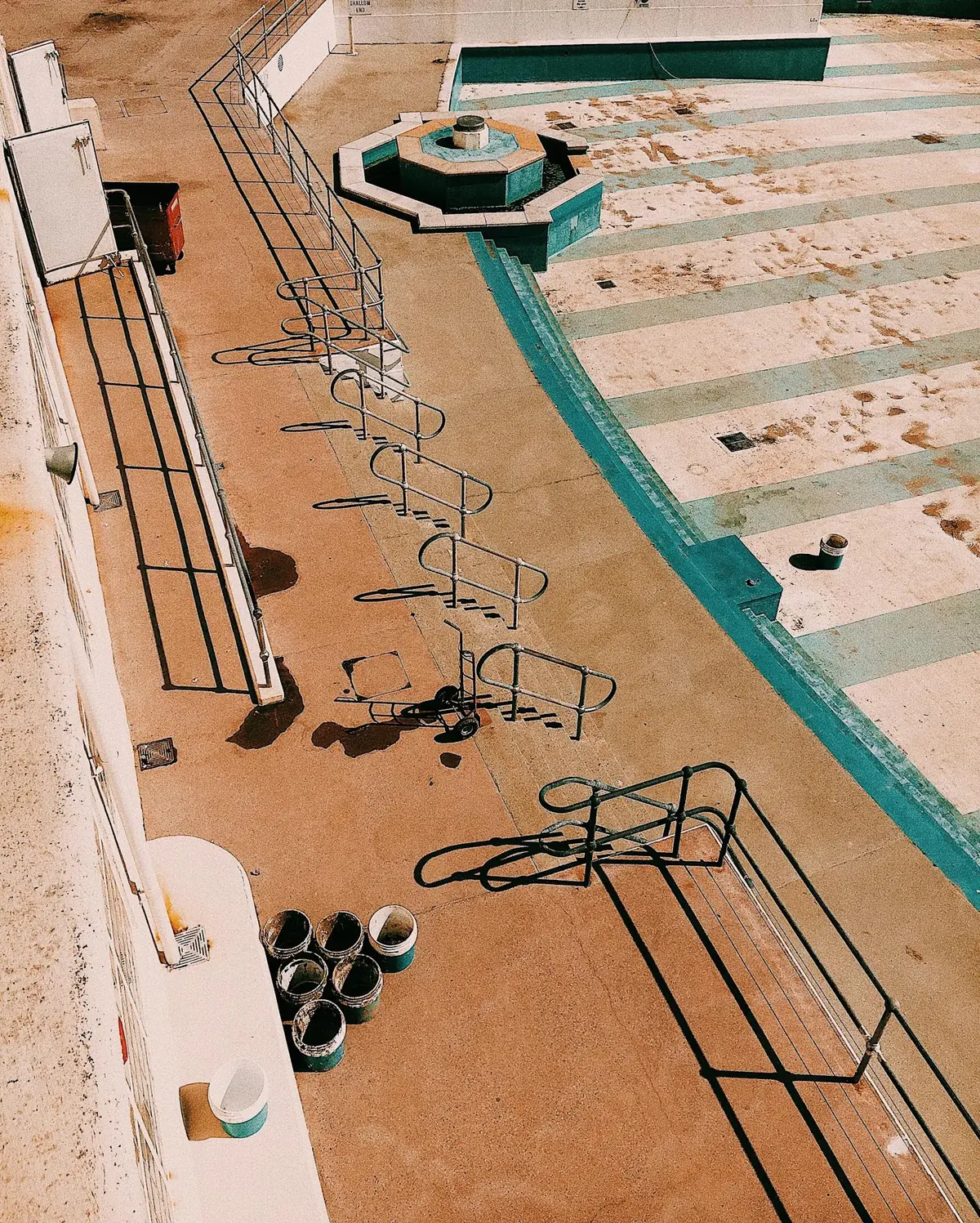
The three types of swimming pool paint
Concrete swimming pools require specialist pool paint formulated to withstand constant water immersion, UV exposure, and the chemical environment of chlorinated water. According to SPATA’s (Swimming Pool and Allied Trades Association) pool paint guidance, there are three main coating types used for UK concrete pools:
- Chlorinated rubber paint: a single-pack coating based on synthetic resins and chlorinated rubber, delivering a lifespan of 2–3 years. It dries quickly, is compatible with previously painted surfaces (including over existing chlorinated rubber), and provides good chemical resistance — making it the standard choice for ongoing maintenance repaints. UK brands include Coo-Var Swimming Pool Paint and BC Paints pool range. Chlorinated rubber is compatible with both concrete and plaster substrates and can be recoated without full stripping as long as the existing coating is sound.
- Acrylic enamel paint: water-based, also with a 2–3 year lifespan. Easier to apply and with lower VOC content than chlorinated rubber, but less durable in terms of chemical resistance. Suitable for lightly used pools or as an intermediate solution.
- Two-pack epoxy: a two-component system (resin and hardener mixed before application) with a lifespan of 5–10 years when properly applied. Epoxy delivers better chemical resistance, abrasion strength, and adhesion than single-pack options — rated by Rawlins Paints as the most durable long-term option for bare concrete pool surfaces. The trade-off is higher cost, more complex application, and the requirement for acid etching of new or stripped concrete before application.
Surface preparation and application requirements
For all pool paint types, surface preparation is the critical variable determining coating longevity. New or bare concrete must be acid etched before painting — acid washing opens the surface pores, allowing the coating to penetrate and bond. Without etching, even high-quality paint will peel. The surface must be fully dry, free of grease and oil, and any loose or flaking previous coatings must be removed. For existing chlorinated rubber coatings in good condition, a sand-to-key and clean is sufficient preparation before recoating. For switching from chlorinated rubber to epoxy (or vice versa), the previous coating must be fully stripped. Apply pool paint with a 3/8-inch nap roller, working from the deep end toward the steps to avoid painting yourself into a corner. Coo-Var and similar manufacturers recommend two coats for new work. After painting, a minimum cure period of 14 days is required before filling — filling too early traps solvent and causes blistering or peeling. The pool should not be filled until the paint is fully cured regardless of touch-dry times. For detailed UK supplier guidance and product specifications, Promain’s pool paint product range and the SPATA factsheet provide authoritative technical detail.
How Swimming Pools Are Heated — Heat Pumps, Solar, and Gas
Air source heat pumps — most cost-efficient for regular use
Air source heat pumps (ASHPs) are the most cost-efficient method of heating a domestic outdoor pool in the UK for pools used regularly throughout the swimming season. An ASHP extracts heat from ambient air and transfers it to pool water — for every 1 kW of electricity consumed, a typical unit produces approximately 5 kW of heat (a Coefficient of Performance, or COP, of around 5). According to Go Aqua UK’s pool heating cost analysis, an air source heat pump represents the best balance of affordability, efficiency, and long-term savings for UK pool owners. Upfront purchase and installation costs for a domestic pool heat pump typically range from £2,000–£5,000 depending on pool volume and unit size. Heat pumps are less effective when air temperatures fall below around 10°C, which limits their efficiency in early spring and autumn in the UK, but for the core May–September swimming season, they are significantly cheaper to run than gas. A 5-year ownership comparison shows the additional upfront cost of a heat pump over gas is typically recovered in lower running costs.
Solar thermal heating — near-zero running cost, long payback
Solar thermal collectors circulate pool water through roof-mounted panels where it is heated by solar radiation, then return it to the pool. Running costs are near zero once installed — the pump electricity consumption is minimal — but the upfront capital cost ranges from £3,000–£6,500 for small pools to £8,000–£12,000+ for larger pools, according to Solar Panels Network’s 2026 UK pool heating guide. Compared to gas heating running at £600–£1,200 per season, a mid-range £5,000 solar thermal installation pays back in 4–8 years depending on pool usage and sun hours at the site. Solar thermal is most effective in the April–September period when solar irradiance is highest and complements the UK swimming season well — it is less effective as a standalone winter heating solution. Many pool owners combine solar thermal collectors with a heat pump backup for cloudy periods, achieving near-zero seasonal running costs.
Gas boilers and selecting a system
Gas pool heaters burn natural gas or LPG to heat water rapidly and can raise pool temperature quickly regardless of air temperature or solar conditions — making them practical for pools used infrequently (where pre-heating from cold matters) or in shoulder-season conditions. Running costs are £600–£1,200 per season for a typical domestic outdoor pool in the UK. The advantage of gas is the speed of heat-up and the independence from weather; the disadvantage is the sustained running cost and dependence on gas supply pricing. For pools used intensively throughout the season, gas is more expensive than heat pump operation on a cost-per-kWh basis. Renewable Energy Hub’s 2026 guide to pool heat pumps provides a detailed UK comparison of heat pump models and sizing guidance. For leisure centre and hotel pools — where pools operate year-round and heat demand is higher — the economics favour heat pump or combined heat-and-power systems. Many UK hotel pools now use district heating or combined systems rather than standalone gas boilers, given both cost and carbon commitments.
Frequently Asked Questions
What paint do you use on a concrete swimming pool?
Concrete swimming pools can be painted with chlorinated rubber paint (2–3 year lifespan, best for maintenance repaints over existing coating), acrylic enamel (2–3 years, lower VOC), or two-pack epoxy (5–10 years, most durable, required for new bare concrete). Chlorinated rubber is the most commonly used maintenance paint for existing UK pools. Epoxy is recommended for new concrete work or full stripping and repaints where a longer interval between recoats is desired. All types require surface preparation (acid etching for new concrete, sand-to-key for existing coatings), and a 14-day cure period after painting before filling.
How long does swimming pool paint last?
Chlorinated rubber pool paint and acrylic enamel last 2–3 years under normal use. Two-pack epoxy lasts 5–10 years when properly applied to a well-prepared surface. The lifespan of any pool paint is significantly reduced by poor surface preparation (painting over flaking coatings, insufficient acid etching of new concrete), premature filling before full cure (minimum 14 days), or using paint types incompatible with the existing substrate or previous coating.
What is the cheapest way to heat a swimming pool in the UK?
Over a 3–5 year period, an air source heat pump is the cheapest way to heat a domestic swimming pool in the UK — producing approximately 5 kW of heat per 1 kW of electricity used (COP ~5). Upfront cost is £2,000–£5,000. For pools used heavily through the season, this is significantly cheaper than gas (which costs £600–£1,200 per season in running costs). Solar thermal has near-zero running costs after installation (£3,000–£12,000 upfront) with a payback period of 4–8 years. Gas is cheapest on upfront cost and provides the fastest heat-up, making it best for occasional-use pools where the running cost is less critical.
How much does it cost to heat a swimming pool in the UK?
Gas pool heating costs approximately £600–£1,200 per swimming season for a typical UK domestic outdoor pool. An air source heat pump costs significantly less to run — typically £300–£600 per season depending on pool size and target temperature — with the COP of around 5 meaning you get 5 units of heat per unit of electricity. Solar thermal runs at near-zero cost once installed. For leisure centre and hotel pools operating year-round, costs are substantially higher and typically met through district heating or commercial energy contracts. Pool insulation (pool cover, thermal blanket) reduces heat loss and is the most cost-effective single measure for reducing pool heating bills.