The UK’s best rockpooling is concentrated on limestone and wave-cut platform coastlines where low-energy shores allow pools to form and retain water between tides. Dorset’s Jurassic Coast has the highest density of accessible rockpool habitats in England, with Kimmeridge Bay — managed by the Dorset Wildlife Trust’s Jurassic Coast Trust — regarded as the finest rockpool site in the South. In the northeast, natural rock pools run along the Northumberland coast from Cresswell to Seahouses, while the Rock Pool at Newcastle, County Down (Northern Ireland) is a different proposition entirely — a historic 1933 open-air sea pool that is the last of its kind in Ireland, though it has been closed since 2020. This guide covers Dorset rockpooling and northeast England and Northern Ireland rock pool options.
- Best Dorset rock pools: Kimmeridge Bay (limestone ledges, Wild Seas Centre open April–October, Rockpool Rambles guided walks), Lyme Regis at Broad Ledge east of town, Lulworth Cove (accessible at low tide only), Charmouth
- What to find in Dorset rock pools: Beadlet anemones, common prawns, long-spined sea scorpions, dog whelks, limpets, common crabs, and at Kimmeridge — large ammonite fossils in the surrounding rock
- Best time: Late spring to early autumn at low tide — pools are most accessible and marine life most active
- Rock Pool, Newcastle (County Down, Northern Ireland): Historic open-air sea pool opened 1933, last of its kind in Ireland — has been closed since 2020, current reopening status uncertain. For northeast England natural rock pools: Cresswell Foreshore (5 crab species including porcelain crab), Embleton Bay, Low Newton, Seahouses (Northumberland coast)
Rock Pools in Dorset — Kimmeridge, Lyme Regis, and the Jurassic Coast
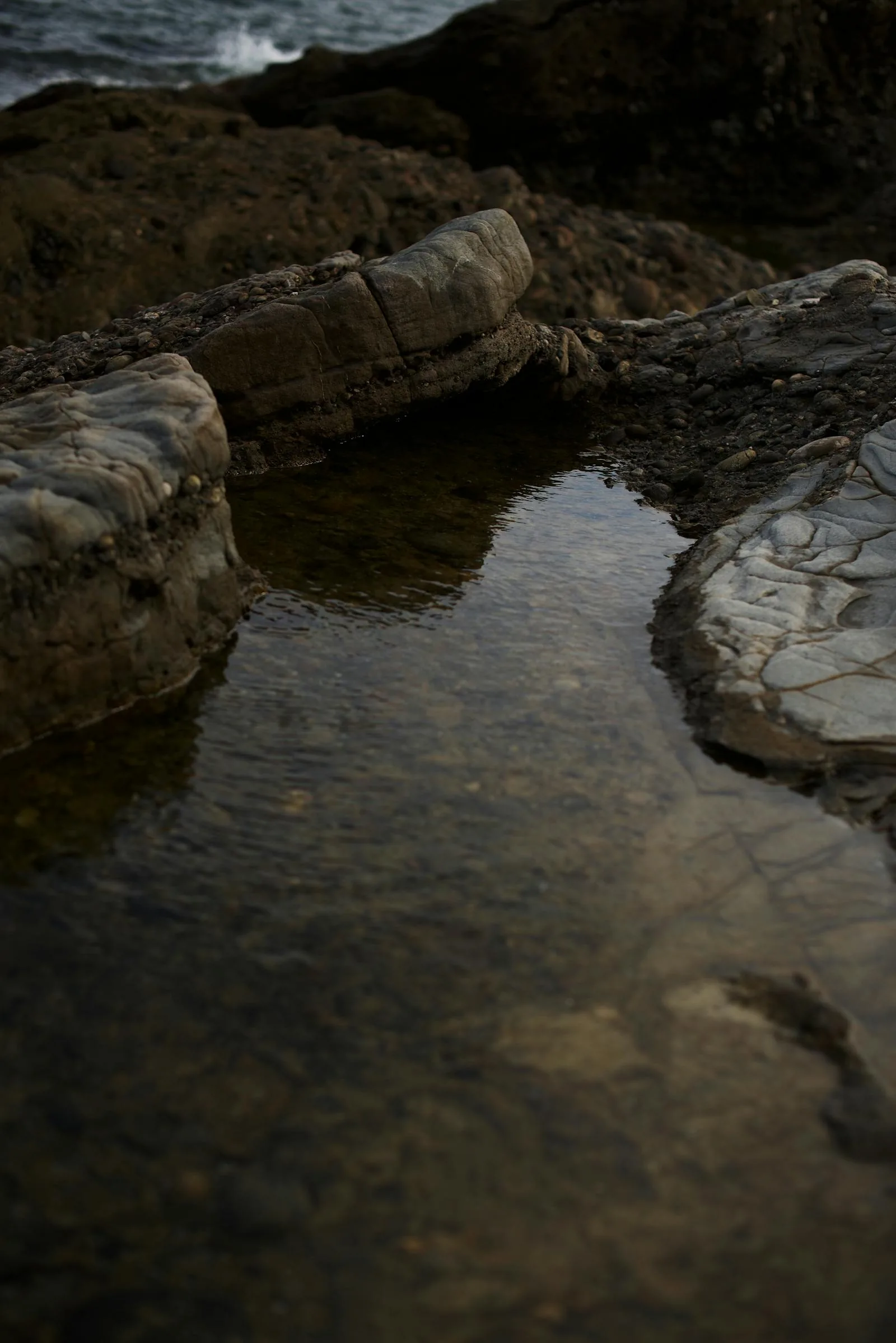
Kimmeridge Bay — Dorset’s premier rockpool site
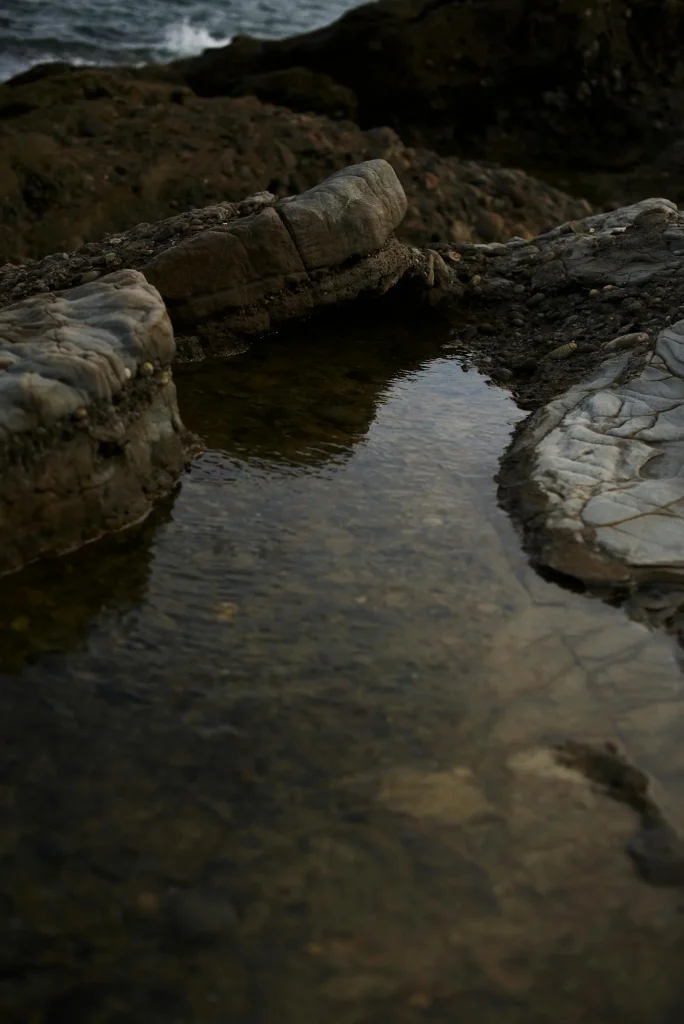
Kimmeridge Bay on the Isle of Purbeck, approximately 6 miles south of Wareham on the BH20 postcode, is regarded as the finest rockpooling site on the Dorset coast and one of the best in southern England. The bay has extensive natural limestone ledges — wave-cut platforms exposed at low tide — that form shallow, sheltered rockpools rich in marine life. Species reliably found at Kimmeridge include beadlet anemones, snakelocks anemones, common prawns, long-spined sea scorpions, blennies, limpets, dog whelks, and common shore crabs. The Kimmeridge Wild Seas Centre (operated by the Dorset Wildlife Trust in partnership with the Jurassic Coast Trust) is open April to October and provides identification guides, nets, and viewing equipment; guided Rockpool Rambles led by expert wardens run during the season and are recommended for families unfamiliar with rock pool species identification. Kimmeridge is also notable for the geology of the surrounding cliffs and foreshore — large ammonite fossils are visible in the Kimmeridge Clay rock at the shoreline, making the bay a dual fossil-hunting and rockpooling site. The bay is within the Purbeck Marine Wildlife Reserve, a voluntary marine conservation area — returning sea life to the pools is expected, and collecting is not permitted.
Lyme Regis, Lulworth Cove, and Charmouth
Lyme Regis (DT7 postcode, on the Dorset/Devon border) has accessible rock pools at Broad Ledge, a wave-cut limestone platform east of the town accessible via the sea wall walk from the harbour. The combination of fossil hunting on East Cliff beach and rock pooling at Broad Ledge makes Lyme Regis one of the most versatile Jurassic Coast day trips for families — the Exploring Dorset guide to Dorset rock pools rates Lyme Regis among the top three sites on the coast. Lulworth Cove (BH20 5RQ) has rock pools that are only accessible for a few hours around low tide, when the cove’s distinctive horseshoe shape creates a sheltered foreshore — species include barnacles, anemones, and crabs. Charmouth (DT6), one of the best fossil-hunting beaches on the Jurassic Coast, has shingle and mixed beach with rock pool sections; it is typically less visited than Kimmeridge or Lyme Regis for rockpooling specifically but offers good species diversity. For all Dorset rockpool sites, the ideal visit time is the two hours either side of low tide; tide tables for Dorset are available from the National Tidal and Sea Level Facility at the National Oceanography Centre. A shrimping net, bucket, and species ID card (available free from Jurassic Coast Trust or downloaded from The Wildlife Trusts) are sufficient equipment for a productive rockpooling visit.
Rock Pools Near Newcastle — Northumberland Coast and the Newcastle County Down Sea Pool
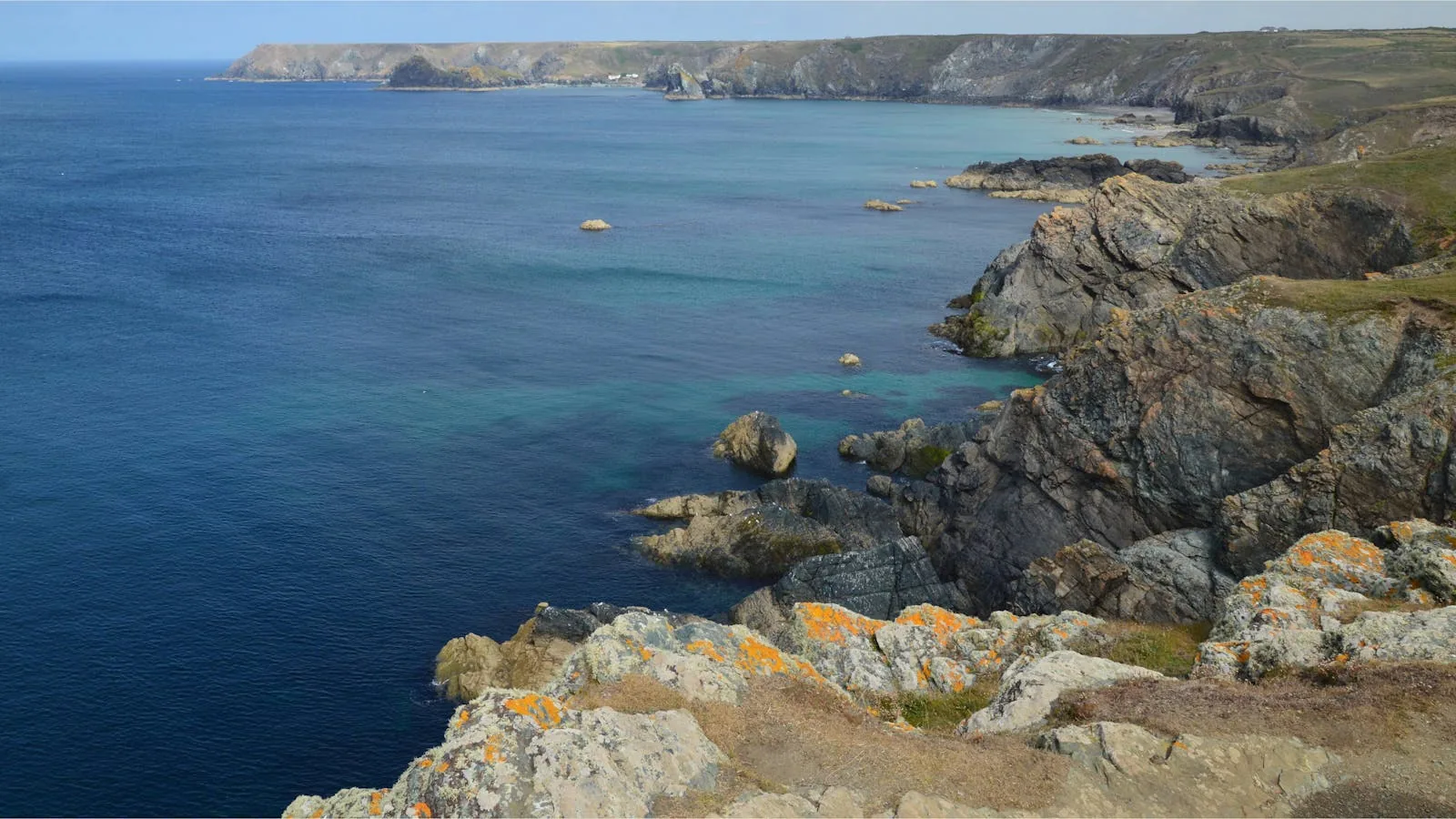
Natural rock pools near Newcastle upon Tyne — Northumberland coast
Newcastle upon Tyne is approximately 20–40 miles from the Northumberland coast, which has a significant concentration of rock pool habitats along its wave-cut rock platforms. Key sites include:
- Cresswell Foreshore (NE61, managed by Northumberland Wildlife Trust): a large wave-cut platform with many shallow rockpools, rated among the best rockpooling sites in the northeast. Five crab species have been recorded including the porcelain crab (unusual in the Northeast), and butterfish and shanny (small fish species) are also found. The Cresswell Foreshore is designated as a nature reserve.
- Embleton Bay (NE66): a wide sandy beach backed by dunes with rock pools exposed at low tide, near Dunstanburgh Castle — combining historic interest with coastal rock pooling.
- Low Newton-by-the-Sea (NE66): a small fishing village with a natural rock harbour and golden beach sheltered from offshore tides — rock pools are accessible around the harbour at low tide.
- Seahouses (NE68): rock pooling accessible from the harbour area and surrounding foreshore.
The Northumberland Wildlife Trust manages several coastal reserves in the region and provides species identification support. The National Trust’s northeast coastal properties at Dunstanburgh, Low Newton, and Embleton include access to rockpooling beaches as part of their visitor offer.
The Rock Pool, Newcastle County Down — historic sea pool, current status
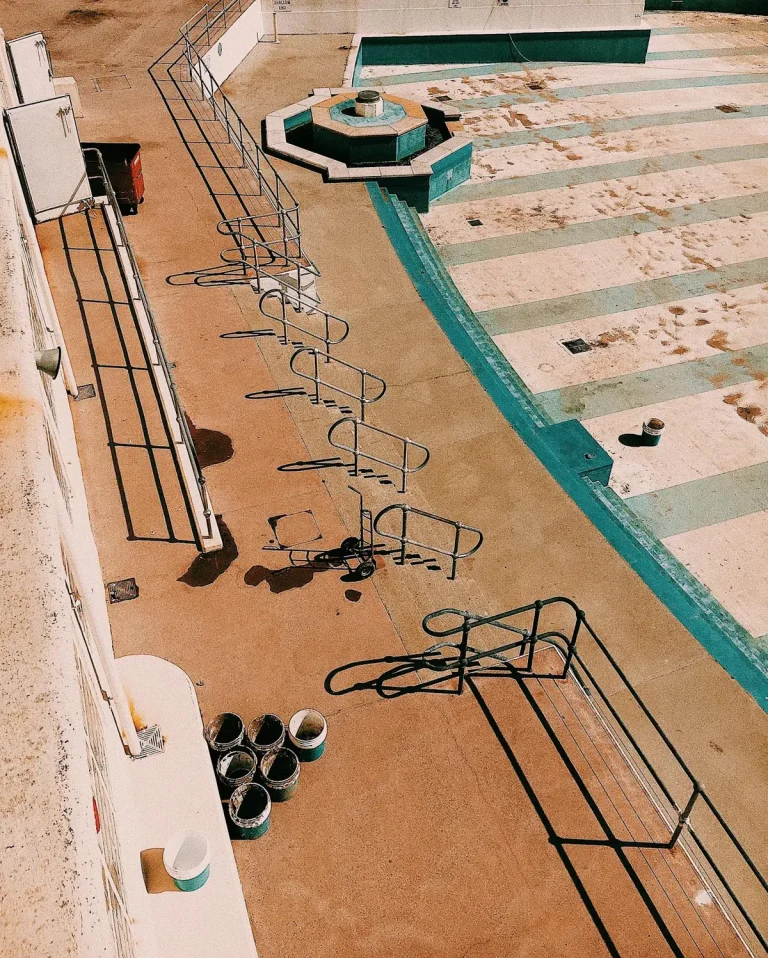
The Rock Pool at Newcastle, County Down, Northern Ireland (not Newcastle upon Tyne) is a different type of facility entirely — an open-air sea pool constructed in 1933, originally featuring diving boards and a chute, and historically hosting galas, water polo, and evening swimming. According to its Wikipedia history, it is the last operational open-air sea pool of its type in Ireland. The pool is owned by Newry, Mourne and Down District Council. However, the Rock Pool has been closed since 2020 and has not reopened; a community campaign in 2015 saved it from an earlier proposed closure. The pool is located near the Mourne Mountains, adjacent to the Slieve Donard Resort, at the foot of the Mourne coast. If you are visiting Newcastle, County Down, the Tropicana Outdoor Heated Fun Pool is an alternative outdoor swimming option in the area (operated by Visit Mourne Mountains). Check the current status of the Rock Pool directly with Newry, Mourne and Down District Council before visiting, as the reopening situation may have changed since the 2020 closure.
Frequently Asked Questions
Where are the best rock pools in Dorset?
Kimmeridge Bay is the best rock pooling site in Dorset — extensive limestone ledges, species including beadlet anemones, prawns, long-spined sea scorpions, and blennies, plus ammonite fossils in the surrounding rock. The Wild Seas Centre (open April–October) runs guided Rockpool Rambles. Other excellent sites include Lyme Regis at Broad Ledge (east of town, accessible from the sea wall walk), Lulworth Cove (rock pools accessible 2 hours either side of low tide), and Charmouth. All Dorset rockpool sites are best visited at low tide during late spring to early autumn.
Are there rock pools near Newcastle upon Tyne?
Yes — the Northumberland coast has excellent rockpooling within 20–40 miles of Newcastle upon Tyne. The best sites are Cresswell Foreshore (Northumberland Wildlife Trust nature reserve, 5 crab species including porcelain crab), Embleton Bay (rock pools at low tide near Dunstanburgh Castle), Low Newton-by-the-Sea (natural rock harbour), and Seahouses. Cresswell is considered the premier rockpooling site in the Northeast for species diversity.
Is the Rock Pool in Newcastle County Down open?
No — the Rock Pool at Newcastle, County Down, Northern Ireland has been closed since 2020. It is a historic open-air sea pool opened in 1933 and is the last of its kind in Ireland, but it has not reopened since its 2020 closure. It is owned by Newry, Mourne and Down District Council. The Tropicana Outdoor Heated Fun Pool in the area is an alternative outdoor swimming option nearby. Check with the council for any updates on the Rock Pool’s reopening status.
What can you find in UK rock pools?
Common UK rock pool species include: beadlet anemones (red sea anemones found across all UK coasts), snakelocks anemones (green, found in the South), common shore crabs, hermit crabs, common prawns, limpets, dog whelks, periwinkles, blennies (small fish), shanny, and butterfish. Starfish and sea urchins can be found in the more sheltered lower shore pools. At Kimmeridge Bay in Dorset, the long-spined sea scorpion (a distinctive spiny fish) is a notable species. All rock pool species should be replaced carefully — lifting rocks damages habitat and is discouraged.