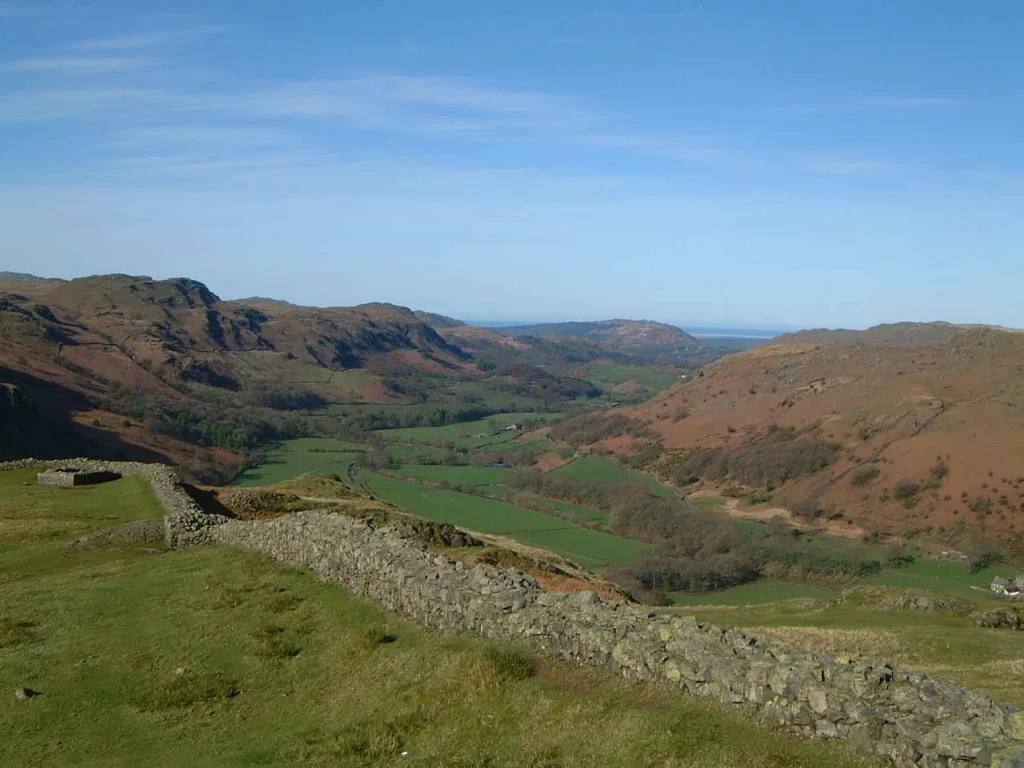
Eskdale is one of the quietest, least-visited valleys in the Lake District — and it holds some of the best wild swimming in northern England. From the famous Tongue Pot, a 5-metre-deep plunge pool with natural rock jumps, to the gentler pools near Boot village, the River Esk offers something for swimmers of every level. This guide covers the main Eskdale pools, how to reach them, and what to keep in mind before you go.
- Tongue Pot is approximately 5 metres deep and features natural rock jump platforms at 2m and 5m
- The walk from Hardknott Pass to Tongue Pot is around 2 miles (3km) each way, taking roughly 40 minutes
- Lower pools near Boot village — including Trough House Bridge and Whillan Beck — are far easier to reach
- Always swim with a companion and avoid all river pools after heavy rainfall
Tongue Pot and the Upper River Esk
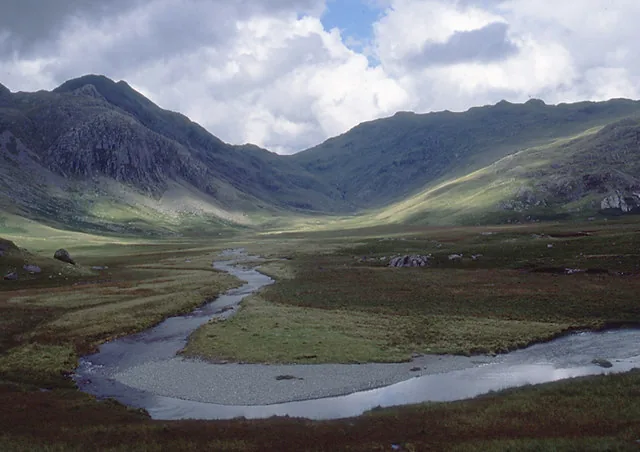
Tongue Pot: the main plunge pool
Tongue Pot is widely regarded as the finest river pool in Eskdale and one of the most spectacular wild swimming spots in the Lake District. The pool is carved into the bedrock of the River Esk, with clear water ranging from pale green to deep blue depending on light and conditions. At around 5 metres deep at its centre, it offers a safe margin for jumping from the natural rock shelves on both sides — the lower shelf sits at roughly 2 metres, a higher ledge at around 5 metres for experienced jumpers only.
Directly upstream and downstream, a series of smaller pots and channels extends the swimming area. Swimmers often spend several hours here moving between the main pool and the surrounding water features. Early evening visits tend to be quieter; summer weekends, particularly in July and August, draw larger crowds.
Kail Pot, Pillar Pot and the cave pool
A short distance downstream from Tongue Pot lie Kail Pot and Pillar Pot — two smaller pools separated by channels where the river narrows and accelerates. These are shallower than Tongue Pot but offer a gentler introduction to the swimming on this stretch, with the current massaging swimmers as they rest against the rock walls. Both pools sit in natural rock bowls and are connected by short scrambles along the riverbank.
Continuing upstream past Lingcove Beck Bridge — an old stone bridge above the confluence — you’ll find a hidden cave pool with a waterfall feeding directly into it. The cave is just large enough to swim into, and the noise and light make it one of the more unusual spots in the valley. The scramble to reach it requires some care on wet rock.
Getting to the upper pools from Hardknott Pass
The standard approach to Tongue Pot is to park near the telephone box at the base of Hardknott Pass (postcode CA19 1TH). The walk follows the River Esk eastward through the valley floor, covering approximately 2 miles (3 kilometres) and taking 35–45 minutes at a gentle pace. The path is mostly level with a few boggy sections after wet weather. No technical skills are required, but the terrain is rough underfoot and proper footwear is essential.
Hardknott Pass is one of the steepest roads in England — gradients reach 1-in-3 — so drivers approaching from the Wrynose side should take care. Public transport to this end of Eskdale is very limited; the Ravenglass and Eskdale Railway (the La’al Ratty) stops at The Green and Dalegarth stations lower in the valley, but reaching the upper pools on foot from there adds significant distance.
Wild Swimming Near Boot Village
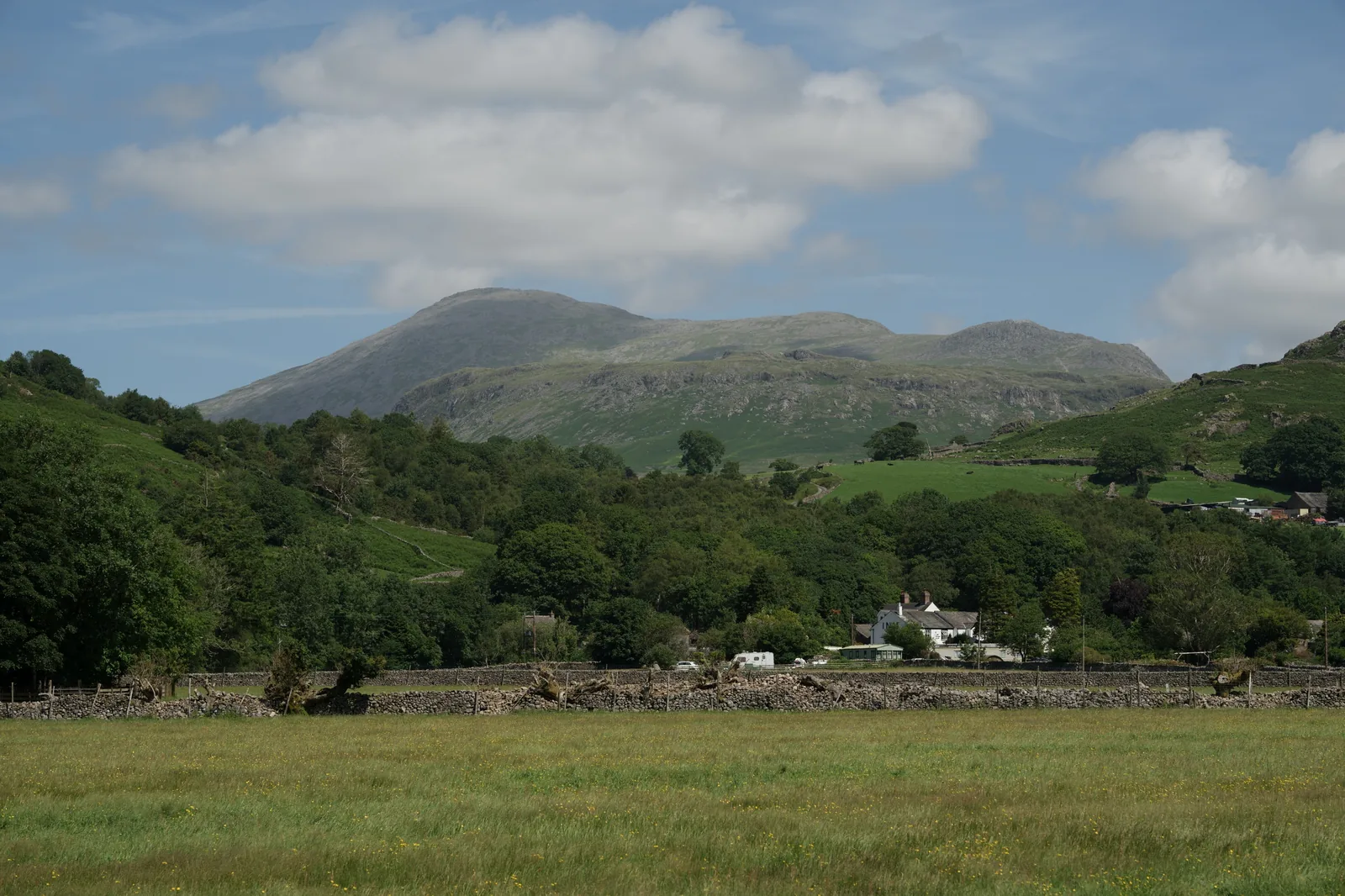
Trough House Bridge and the River Esk pools
For a much shorter walk, the pools below Trough House Bridge offer easy access to the River Esk from Boot village. A free car park sits just beyond the bridge, and the swimming is reached in around half a mile (10 minutes) from the Boot village area. The pools here are calmer than the upper river, with deeper sections forming naturally around the bridge’s downstream face. Bluebell woods line the route in May, making this one of the most pleasant short walks to any swimming spot in the valley.
This section is a good starting point for swimmers visiting with children or anyone unwilling to tackle the full Hardknott Pass approach. The current is gentler, the pools are more accessible, and the setting — surrounded by oak woodland with the Eskdale hills above — is distinctly beautiful.
Whillan Beck and the corn mill plunge pool
Whillan Beck runs alongside Eskdale Corn Mill, reputedly England’s oldest working twin-wheel water mill. The plunge pool where the beck drops beside the mill is just 20 metres from Bridge End Farm and can be reached with a short stroll up the lane opposite the farmhouse. The pool is relatively compact but surprisingly deep at its centre, carved by the constant flow from the mill race.
This is a practical first dip for anyone staying at cottages near Boot, and the novelty of swimming beside an operating Victorian mill is genuine. The water is fast-moving and cold year-round, fed by upland streams above the valley. Swim shoes are advisable as the beck bed is uneven and slippery.
Gill Force, Stanley Ghyll and the lower Eskdale options
Stanley Ghyll Force is a 60-foot (18-metre) waterfall set in a deep wooded ravine, accessible in a 20–30 minute walk from the Dalegarth area. The plunge pool at its base is deep and clear, but the narrow gorge means light is limited and the water stays cold even in summer. It’s more of a scenic destination than a full swimming location — worth visiting for the spectacle, but fewer swimmers linger here compared to the river pools.
Gill Force, another short detour from the valley path, has a deeper section with rocks usable for jumping. It sees far fewer visitors than Tongue Pot and offers a quieter alternative for those who prefer uncrowded water. Both spots can be combined with the lower valley walk for a half-day itinerary taking in several different swimming environments along the River Esk and its tributaries.
Planning Your Visit to Eskdale
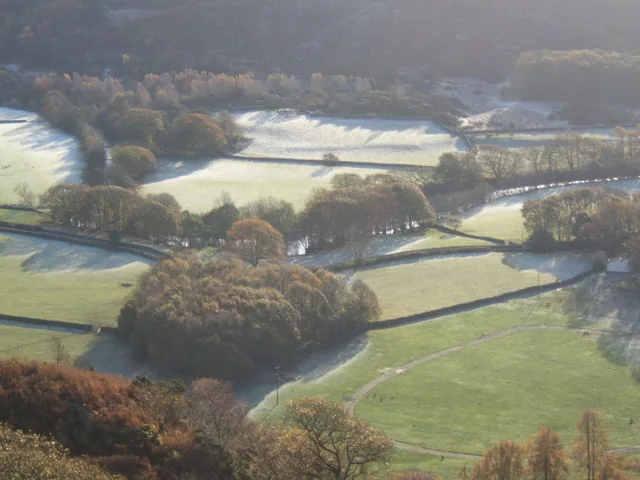
Best time to visit and water conditions
Eskdale’s pools are swimmable from late May through September, with July and August offering the most consistent warmth — though even then, water temperatures in the upper river rarely exceed 14–16°C. Autumn visits are possible for experienced cold-water swimmers but the shorter daylight and unpredictable rainfall make timing more critical. The valley receives considerably more rainfall than the east Lakes, and after heavy rain the River Esk rises quickly: all river pools should be avoided when the water is visibly brown or flowing faster than usual.
Visiting midweek or arriving early morning significantly reduces crowds at Tongue Pot, which can become busy on summer weekends when dozens of visitors are present simultaneously. The lower Boot village pools (Trough House Bridge, Whillan Beck) are popular with local families and tend to be quieter than the main Tongue Pot area.
Safety and what to bring
Eskdale is a remote valley with no lifeguards at any of its swimming spots. Standard wild swimming safety rules apply: always swim with at least one other person, stay within your ability level, and never jump into water you haven’t checked for underwater obstacles. The rock jumps at Tongue Pot are only safe when water levels are at or above normal; jumping into low summer water significantly reduces effective depth and increases injury risk.
Recommended kit for an Eskdale swimming day:
- Wetsuit or drysuit for cold tolerance (water temperature typically 10–14°C)
- Swim shoes or grippy sandals for rocky beck beds
- Tow float for visibility in the river
- Waterproof bag to keep dry clothes accessible
- OS map or downloaded offline map — phone signal is unreliable above Boot
Getting to Eskdale and where to park
By car, Eskdale is reached via the A595 coast road and then the B5344 through Ravenglass and on to Boot. Alternatively, approach via Hardknott Pass from Ambleside and Langdale — beautiful but demanding. The valley has no through road for large vehicles beyond Dalegarth.
Parking options vary by destination: the free car park near Trough House Bridge serves the lower pools, while Hardknott Pass base is the starting point for Tongue Pot. The Ravenglass and Eskdale Railway offers an alternative for car-free visitors, running from Ravenglass on the coast to Dalegarth station at the valley head — the train adds significant charm to the day but extends walking distances to the upper pools.
For broader context on wild swimming destinations across the north of England, see our guide to Fairy Pools in the Lake District and our roundup of outdoor swimming venues across the UK.
Frequently Asked Questions
Where are the Eskdale pools?
The Eskdale pools are a series of natural river pools and plunge pools along the River Esk in the Eskdale Valley, Lake District, Cumbria. Tongue Pot, the most famous pool, is located approximately 2 miles east of Hardknott Pass (postcode CA19 1TH). Lower pools near Boot village are accessible from Dalegarth station on the Ravenglass and Eskdale Railway.
Is Tongue Pot safe to swim in?
Tongue Pot is safe for confident swimmers who follow standard wild swimming precautions. The pool is approximately 5 metres deep and has natural rock jumping platforms. Avoid it after heavy rainfall when the river rises. Never jump into the pool without checking water levels first — low summer conditions reduce safe jump depths. Always swim with a companion.
Can you wild swim anywhere in Eskdale?
Yes — wild swimming is widely practised in Eskdale along the River Esk and its tributaries. There are no formal restrictions, though landowner permission is assumed by custom rather than guaranteed by law in England. Stick to established access points and leave no trace. Swimming in flooded or fast-flowing water after rain is dangerous and should be avoided.
How long is the walk to Tongue Pot?
From the car parking area near the base of Hardknott Pass (CA19 1TH), Tongue Pot is approximately 2 miles (3km) each way along a relatively flat valley path. Most walkers reach the pool in 35–45 minutes. The return is along the same path, making it an easy half-day outing for reasonably fit adults.
What other swimming spots are near Eskdale?
Nearby wild swimming destinations include Devoke Water (the Lake District’s largest upland tarn, a 10–15 minute drive from Boot with a short walk to the water), Wastwater (England’s deepest lake, in the next valley), and the Buttermere infinity pool further north in the Lakes. The natural swimming pools guide covers purpose-built options across the UK if you prefer supervised swimming.