Viv Nicholson is one of the most famous names in the history of the British football pools — the working-class Yorkshire woman who, in September 1961, told the press exactly what she planned to do with her husband’s £152,319 win: “spend, spend, spend.” Those three words, spoken by a 25-year-old miner’s wife from Castleford, became one of the most recognisable phrases in postwar British popular culture, inspiring an autobiography, a BAFTA-winning BBC television play, and an Olivier Award-winning West End musical. The story of how Viv won the pools, how the money was spent, and what happened next is one of the defining narratives of British attitudes to sudden wealth.
- Keith Nicholson won £152,319 on the Littlewoods football pools on 23 September 1961 — equivalent to approximately £3 million in 2025
- Viv Nicholson’s declaration that she would “spend, spend, spend” became a defining phrase of 1960s Britain and gave its name to a book, a BBC play, and a West End musical
- Within four years of winning, Keith had died in a car crash and the couple’s fortune had been largely spent
- Viv died on 11 April 2015 at Pinderfields Hospital, Wakefield, aged 79
Who Was Viv Nicholson? Early Life and the 1961 Football Pools Win
From Castleford to the Littlewoods pools
Vivian Asprey was born on 3 April 1936 in Castleford, a mining town near Wakefield in the West Riding of Yorkshire. Her upbringing was shaped by the realities of the Yorkshire coalfield: her father, a coal miner with epilepsy, kept the family in poverty, and her mother suffered from asthma. She left school at 14 and went to work at the local liquorice factory, making the Pontefract cakes for which the area was known. She first married Matthew Johnson in 1952 at 16, a marriage that lasted two years and produced two children. She then met Keith Howard Nicholson, a miner, and married him in 1954. The couple had three children together and lived a typical working-class Yorkshire life in Castleford through the 1950s — a period in which the football pools were part of the weekly rhythm for millions of British families. Every week, Littlewoods, Vernons, and Zetters collected the pool coupons through which working people across the country staked small sums — typically a shilling or two — on predicting the results of football matches. Prize pools were enormous, and major wins could transform lives overnight.
Keith Nicholson had been doing the pools coupon every week, as countless others did across Britain. The Littlewoods Triple Chance game required players to predict eight score draws from the Saturday fixtures — an extraordinarily difficult task, which was precisely why the prizes were so large when anyone succeeded. On 23 September 1961, Keith correctly predicted eight First Division matches that all ended as score draws, and Littlewoods informed the couple that they had won £152,319 9s 2d — a sum so large that it was almost impossible to comprehend in 1961 terms. A miner’s annual wage at the time was approximately £700–£800. In modern purchasing power, the win is equivalent to approximately £3 million.
The famous quote and the media moment
When journalists arrived to cover the story — a working-class couple from a Yorkshire mining town winning what was then one of the largest sums ever paid out by the football pools — they asked Viv the obvious question: what would she do with the money? Her answer, delivered without hesitation, was a reply that captured something about the aspirations of working-class Britain in the early 1960s, a moment when consumerism was beginning to reach people who had previously owned almost nothing. “I’m going to spend, spend, spend,” Viv told them. Viv was 25 years old and, as she later reflected, had simply been honest: having grown up with nothing, spending freely was the most natural thing in the world to do with the money. The media coverage was enormous, and the Nicholsons became celebrities overnight — photographed in their new sports cars, their new clothes, their new life.
Life After the Win: Spending, Loss, and the Legal Battle for the Estate

What Viv and Keith spent the money on
The spending began immediately. Viv and Keith bought a series of expensive sports cars — Keith was known for his love of fast cars — along with fur coats, designer clothing, jewellery, and the kind of consumer goods that had been entirely out of reach during their previous lives. They took luxury holidays and redecorated their home. They entertained friends and family, bought gifts, and generally spent in the way that the press had predicted they would when Viv spoke those three words. This pattern of spending was reported with a mixture of admiration and mild alarm in the British press of the early 1960s — the Nicholsons represented something new, the spectacle of working-class people spending as if wealth were permanent, as if the money could not run out. By 1965, a significant portion of the original sum had been depleted, though the exact amount remaining at Keith’s death has been disputed across various accounts.
On 30 October 1965, Keith died when he crashed his Jaguar car. He was 27 years old. His death transformed Viv’s situation dramatically and disastrously: the banks and tax authorities moved in, and Viv was informed that the fortune had not in any legal sense been hers — it had belonged to Keith. She was declared bankrupt. She lost the house and most of what remained of the estate. In 1968, after a three-year legal battle, she was awarded £34,000 from Keith’s estate. She rapidly spent this sum as well — partly through the same habits of spending that had characterised the years after the original win, partly through taxes, legal fees, unpaid bills, and what she later described as an inability to hold on to money she had never expected to have.
Later life: marriages, Malta, and becoming a Jehovah’s Witness
Viv’s life after Keith’s death moved through a series of upheavals that made her story an ongoing fixture in the British popular press. She married three more times after Keith: Brian Stewart Wright in 1969, a marriage that ended when he died in a car crash in 1971; Peter Graham Ellison in 1972, a marriage she later described as abusive and which lasted just 13 weeks; and Gary Shaw in 1985, who died of a drug overdose in 1990. In 1970 she moved to Malta, a move that ended when she was deported in 1971 after being arrested for assaulting a police officer. She struggled with alcoholism for many years, but eventually achieved sobriety. In 1979 she became a Jehovah’s Witness, a faith she maintained until her death. In later life she was a recognisable figure in Castleford and Wakefield, approached regularly by people who remembered — or had heard of — the 1961 win and the “spend, spend, spend” story. She died on 11 April 2015 at Pinderfields Hospital, Wakefield, of a stroke and dementia, aged 79.
The Legacy of “Spend, Spend, Spend”: Book, Television, and the West End Stage
Autobiography and the BBC BAFTA-winning play
In 1978, Viv Nicholson co-wrote her autobiography with journalist Stephen Smith, published under the title Spend, Spend, Spend. The book told her story frankly, including the details of her marriages, her alcoholism, her financial ruin, and her complicated relationship with the fame that the 1961 win had brought her. The same year, the BBC broadcast Spend Spend Spend as part of its Play for Today series, adapted by Jack Rosenthal and starring Susan Littler as Viv. The play was directed by John Goldschmidt and won a BAFTA for Best Single Drama — a reflection of how effectively it captured not just the story of one woman but a broader truth about class, aspiration, and the instability of sudden wealth in postwar Britain. Susan Littler’s performance was widely praised and the play has been rebroadcast several times since.
Viv Nicholson also became, unexpectedly, a touchstone for the indie rock band The Smiths in the 1980s. Morrissey used images of Viv — photographs from the early 1960s showing her in her post-win finery — on the covers and sleeves of several Smiths records, including the 1987 album The World Won’t Listen and the single “Sheila Take a Bow”. The association brought her story to an entirely new generation who might otherwise never have encountered it, and the Smiths’ connection to Viv Nicholson has been widely cited as an example of the band’s interest in working-class British culture and forgotten figures from the postwar period.
The West End musical and ongoing cultural interest
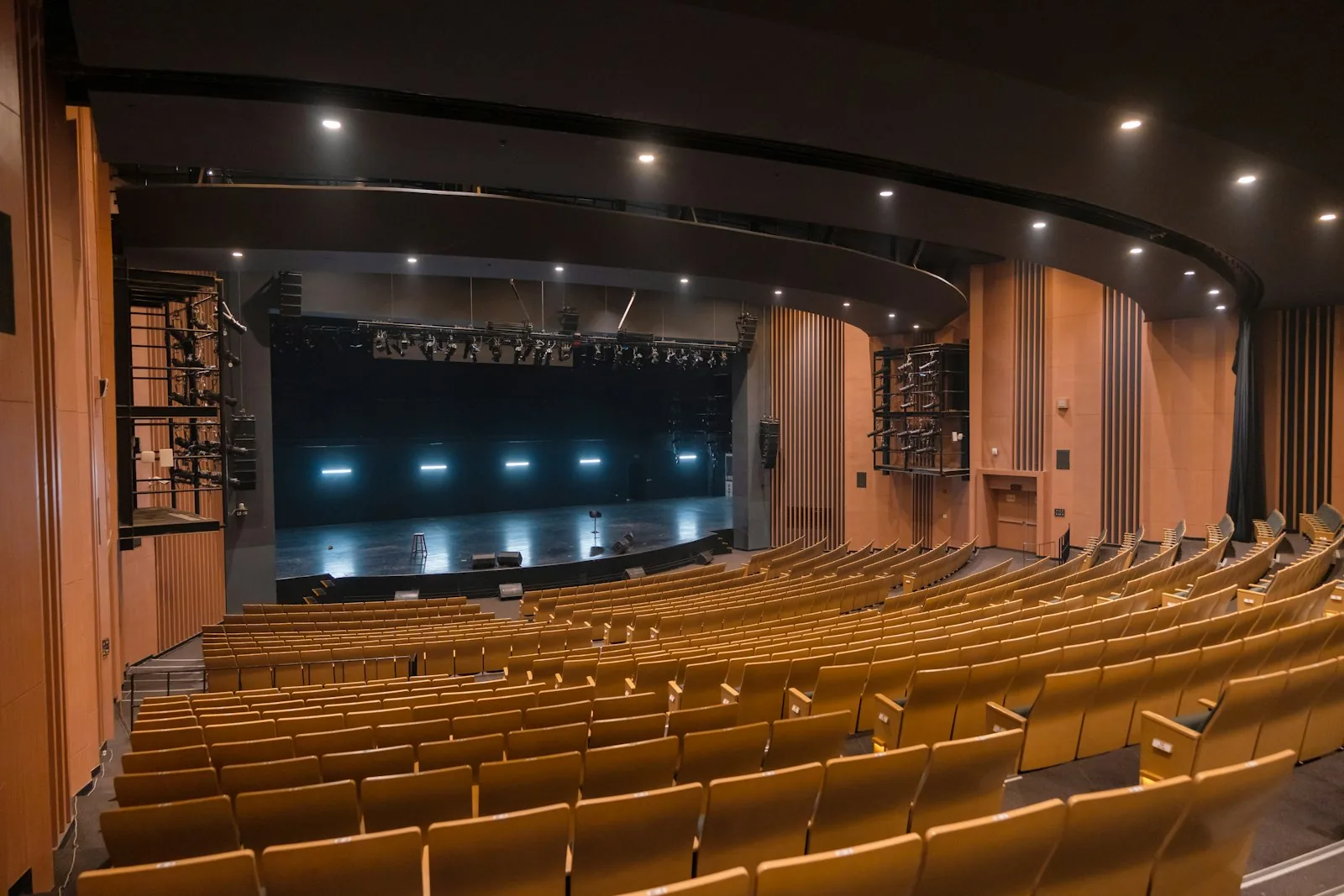
The most commercially successful adaptation of Viv Nicholson’s story came in 1998, when Spend Spend Spend opened as a full musical at the West Yorkshire Playhouse in Leeds on 26 May 1998, with music and book by Steve Brown and Justin Greene. The production starred Rosemary Ashe as Viv and won the Barclays Theatre Award for Best Musical. It transferred to the West End’s Piccadilly Theatre on 12 October 1999, where it ran until August 2000. The London cast was led by Barbara Dickson as Viv, whose performance won the Olivier Award for Best Actress in a Musical in 2000 — the highest prize in British theatre for musical performance. The musical also won the Evening Standard Award for Best Musical and the Critics Circle Award for Best Musical that year. A revival toured in 2010, winning the TMA Award for Best Musical, and a further revival opened at the Royal Exchange Theatre, Manchester in November 2024, with Rachel Leskovac — who had played the younger Viv in the 1999 West End run — taking the title role.
The enduring appeal of Viv Nicholson’s story lies partly in what it says about the football pools themselves — a form of mass-participation gambling that shaped the weekly life of Britain from the 1920s to the 1990s, when online betting and the National Lottery gradually replaced the coupon culture that had made wins like the Nicholsons’ possible. For information on other historic pool-related sites in Britain, see our guides to Filey Brigg rock pools on the Yorkshire coast — geographically close to Viv’s home county — and outdoor swimming pools and lidos across the UK. For natural water environments, our natural swimming pools guide covers biological filtration systems that have become popular in recent decades.
Frequently Asked Questions
How much did Viv Nicholson win on the pools?
Viv Nicholson’s husband Keith won £152,319 9s 2d on the Littlewoods football pools on 23 September 1961. This was one of the largest pools prizes paid out at the time and is equivalent to approximately £3 million in 2025 purchasing power. The win came from correctly predicting eight score draws in First Division football matches on the Littlewoods Triple Chance coupon.
What year did Viv Nicholson win the football pools?
Keith Nicholson won the football pools on 23 September 1961. The win was reported widely in the British press in late September 1961, when Viv’s “spend, spend, spend” quote immediately made the couple famous. Viv was 25 years old at the time.
What did Viv Nicholson spend her money on?
Viv and Keith spent the pools winnings on sports cars (including a Jaguar), fur coats, designer clothing, jewellery, luxury holidays, home improvements, and gifts for friends and family. Their lavish spending pattern was documented closely by the British press throughout the early 1960s. The fortune was significantly reduced by Keith’s death in a car crash in 1965, by which point the original sum had been substantially depleted.
What happened to Viv Nicholson after she spent all the money?
After Keith’s death in 1965, Viv was declared bankrupt and lost most of what remained of the estate. She won a legal battle in 1968 for £34,000 but lost that too. She married three more times, moved to Malta briefly, struggled with alcoholism, and was eventually convicted of assaulting a police officer in Malta and deported. She became a Jehovah’s Witness in 1979 and achieved sobriety. She co-wrote her autobiography in 1978, which was adapted into a BAFTA-winning BBC TV play and later a West End musical. She lived the rest of her life in the Wakefield area and died in 2015.
When did Viv Nicholson die?
Viv Nicholson died on 11 April 2015 at Pinderfields Hospital in Wakefield, aged 79. The cause of death was a stroke; she had also been suffering from dementia. She died relatively close to the Castleford area where she had been born and grown up, and where the 1961 pools win had transformed her life overnight.