Iceland has more swimming pools per capita than almost any country on earth — over 120 public pools (sundlaugar) for a population of around 370,000, roughly one for every 2,000 Icelanders — and the geothermal energy that heats them is freely available from the volcanic landscape beneath the island. Swimming in Iceland is not a leisure activity so much as a social institution: Icelanders bathe together in hot pots and outdoor pools year-round, in temperatures as low as -20°C outside, exchanging news, arguments, and gossip from the thermal water. This guide covers the main categories of Iceland’s pools — public sundlaugar, commercial geothermal lagoons, and natural hot springs — and what you need to know to visit each.
- Iceland’s swimming pool culture was added to UNESCO’s Intangible Cultural Heritage list in December 2025 — the country’s first independent inclusion on the list
- The Blue Lagoon was formed in 1976 as overflow from the Svartsengi geothermal power plant; entry starts at approximately $107 (Comfort tier)
- Sky Lagoon, opened in 2021, features a 70-metre infinity pool overlooking the Atlantic and is 10–15 minutes from Reykjavík city centre
- Mandatory shower without a swimsuit before entering any Icelandic pool is a firm cultural and hygiene rule — no exceptions
The Sundlaugar — Iceland’s Public Swimming Pool Culture
What sundlaugar are and their place in Icelandic life
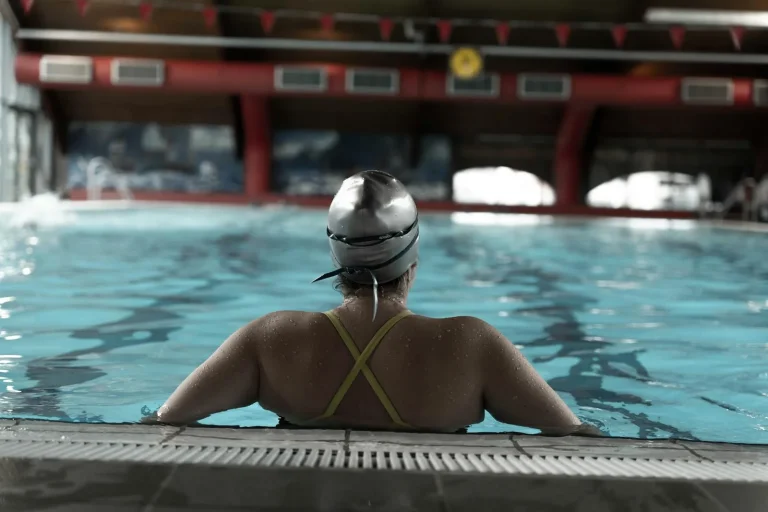
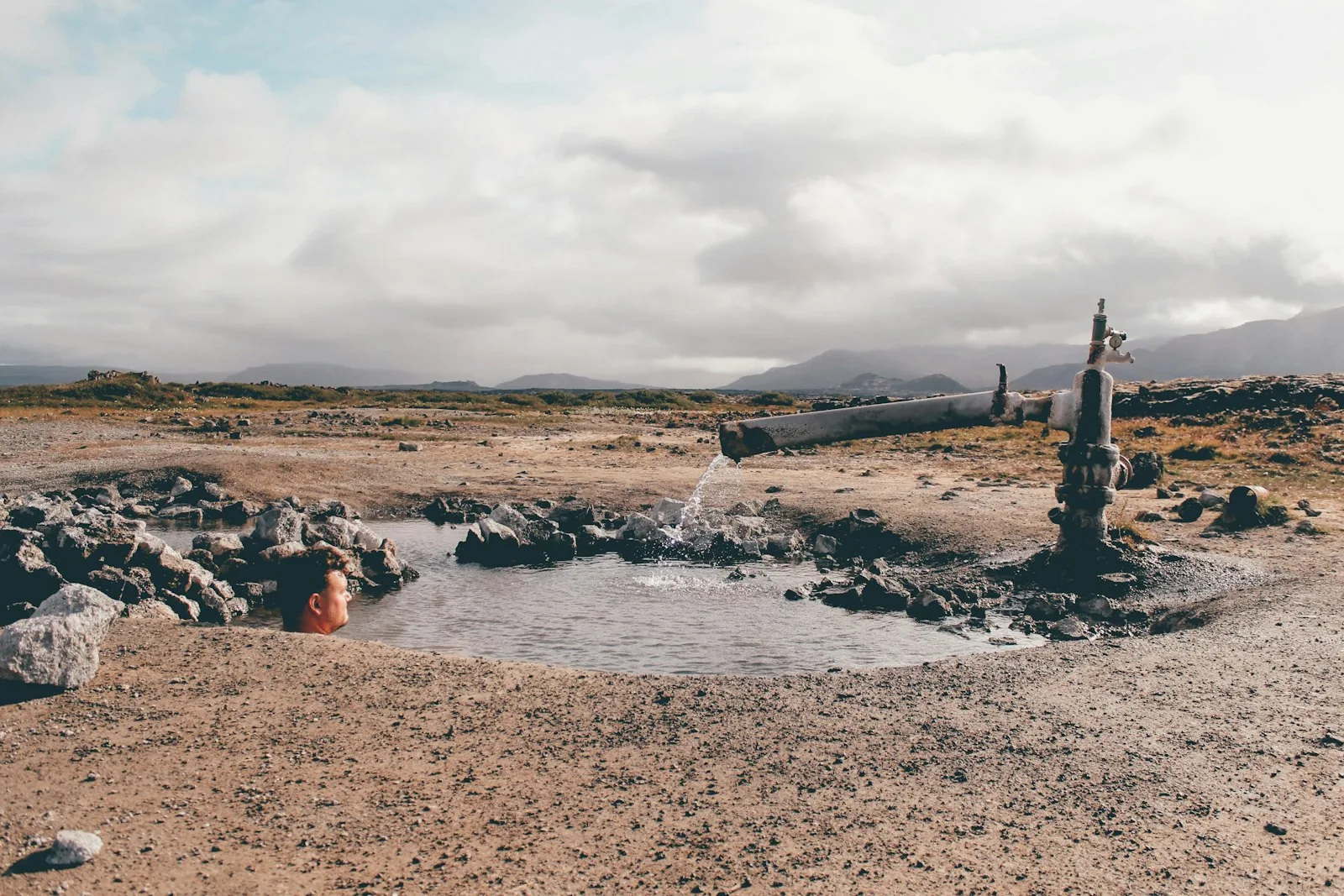
The Icelandic word sundlaug (plural: sundlaugar) means simply “swimming pool,” but the institution carries considerably more cultural weight than that translation implies. Every Icelandic town, however small, has a geothermally heated public pool — in rural areas these are sometimes the only communal indoor space in the community. In 1805, only six Icelanders were reportedly able to swim; a national effort to build pools and make swimming lessons mandatory for schoolchildren transformed the country’s relationship with water over the following century. Today there are over 120 pools across Iceland, with entry fees for community pools typically in the range of $10–15 (approximately £8–12). UNESCO added Iceland’s swimming pool culture to its Intangible Cultural Heritage list in December 2025, recognising heated outdoor pools as “unique social arenas” where communities gather across generations and social divisions. The pools are social infrastructure as much as sporting facilities: Icelanders call the conversations that happen in hot pots the hot pot parliament, and the same spirit that drove medieval Icelanders to debate law at the Althing is said to continue in the thermal pools.
A key feature of the sundlaug is the heitur pottur (hot pot) — a small, very hot tub typically adjacent to the main pool, kept at 38–44°C. These are where the social interaction primarily happens; the main pool is for swimming, but the hot pots are for sitting, talking, and relaxing. The mandatory pre-swim shower — taken without a swimsuit, in communal showers at the entrance to the pool area — is an absolute rule in every Icelandic public pool, with specific body parts (armpits, groin, feet, hair) required to be washed before entry. First-time visitors often find this confronting, but Icelanders regard it as basic hygiene and social equality: everyone showers, regardless of age, shape, or status. Icelandic pool water is heated geothermally, uses minimal or no chlorine compared to British or American pools, and has a distinctively different smell — clean, slightly mineral, warm — that regular visitors find distinctive.
Notable public pools in Reykjavík and beyond
Reykjavík has several public pools, of which the most significant is Laugardalslaug, the city’s largest, with a 50-metre outdoor pool, children’s pools, several hot pots at different temperatures, a waterslide, and steam rooms. Its name refers to the Laugardalur valley (literally “hot spring valley”), the historic source of hot water that drove early Reykjavík’s development. Sundhöllin, on Barónsstígur in the city centre, is Reykjavík’s oldest public pool (opened 1937) and the only one in the downtown area — recently renovated, it has both indoor and outdoor pools and retains its original 1930s architectural character. Vesturbæjarlaug is another popular community pool in the west of the city. All three charge entry fees of approximately £8–12 and are used primarily by locals. Entry includes the use of all pools, hot pots, and saunas. The Visit Reykjavík guide to geothermal pools covers opening hours and current prices for all city pools.
Outside the capital, community pools worth visiting include the Hofsós Sundlaug in northwest Iceland — a small community pool with an infinity edge positioned above a fjord, frequently cited as one of the most beautifully situated pools in the world, with entry at approximately $12. Krossneslaug, in the remote Westfjords, is an ocean-edge pool where whale watching from the hot pot is occasionally possible. Akureyri Swimming Pool in the north is the largest in Iceland outside Reykjavík, with three waterslides, multiple pools, and hot tubs, serving Iceland’s second city. The Snorralaug pool at Reykholt in West Iceland is a geothermal pool that has been in use since at least the 13th century — associated with the medieval Icelandic historian Snorri Sturluson, whose personal outdoor pool it was — making it one of the oldest baths in northern Europe.
The Major Geothermal Lagoons — Blue Lagoon, Sky Lagoon, and Alternatives
Blue Lagoon and Sky Lagoon: the two main commercial lagoons
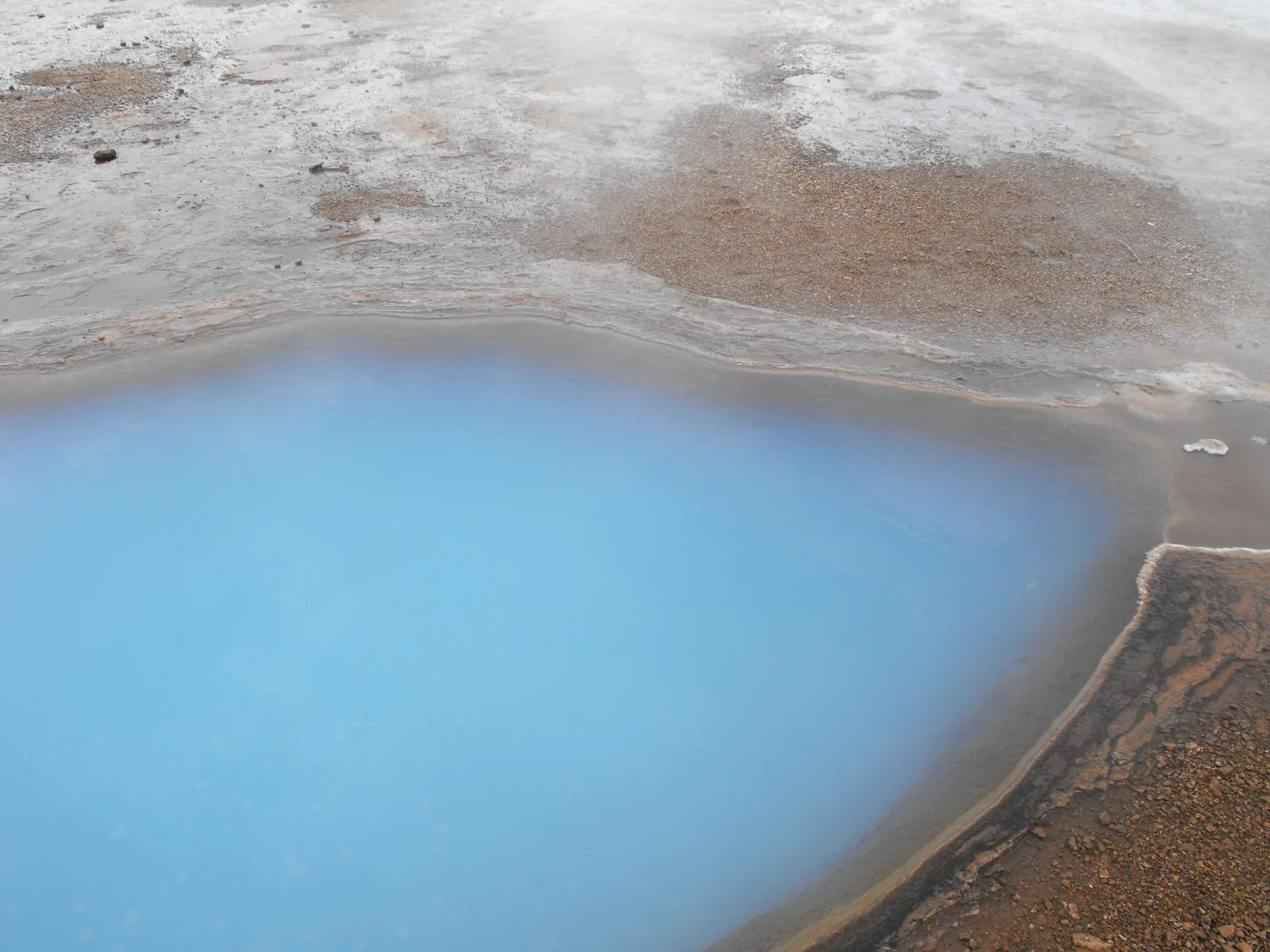
The Blue Lagoon (Bláa Lónið) is Iceland’s single most visited attraction, receiving over a million visitors per year. It was not designed — it formed in 1976 as a side effect of the nearby Svartsengi geothermal power plant, when geothermal water pumped from 2,000 metres below ground was discharged onto the porous lava field and formed a pool. The water, rich in silica, alumina, and other minerals, turned the lava blue-white and was eventually developed into a commercial spa. The Blue Lagoon’s water is maintained at 37–40°C year-round, renewed completely every 40 hours, and contains no artificial chemicals — it is naturally self-cleansing through its mineral content. The silica mud at the bottom is available as a face mask, and the pool’s facilities include a Michelin-starred restaurant (Moss), swim-up bar, and premium private spa options. Entry starts at approximately $107 for the Comfort tier; the Retreat Spa experience costs significantly more. The Blue Lagoon is located on the Reykjanes Peninsula, approximately 50 minutes from Reykjavík and 20 minutes from Keflavik International Airport — making it a practical stop on arrival or departure. Pre-booking is mandatory; the Blue Lagoon does not accept walk-in visitors.
Sky Lagoon opened in 2021 in Kópavogur, just 10–15 minutes from central Reykjavík, and quickly became a major alternative to the Blue Lagoon for visitors based in the capital. Its 70-metre infinity-edge pool looks directly across the Atlantic and was designed to blend into the coastline. The signature experience is the Seven-Step Ritual — a sequence of sauna, cold plunge, steam bath, mist room, body scrub, and hot and cold pool dips — offered in full at the premium “Sér” tier (with private changing facilities) or a version at the standard “Saman” tier. Unlike the Blue Lagoon, Sky Lagoon does not accept visitors under 12. Its location and modern design make it particularly popular with visitors who want a geothermal lagoon experience without the 50-minute drive to the Reykjanes Peninsula. Booking in advance is strongly recommended, particularly in summer.
Other major commercial lagoons across Iceland
Iceland has seen a proliferation of geothermal lagoon developments in recent years. The Mývatn Nature Baths (Jarðböðin við Mývatn) in the north offers a mineral-rich, silica-grey lagoon with similar character to the Blue Lagoon but in a dramatically different landscape — the volcanic moonscape around Lake Mývatn — at approximately half the Blue Lagoon’s price. GeoSea in Húsavík on the north coast draws on heated seawater from Skjálfandi Bay, offering sea views and occasional whale sightings; it is heated to approximately 36–40°C and serves a quieter, more local clientele than the major lagoons. The Vök Baths near Egilsstaðir in East Iceland are pools that float on the surface of Lake Urriðavatn, heated geothermally to 36–40°C while surrounded by cold lake water. Krauma in West Iceland draws on Deildartunguhver — Europe’s most powerful hot spring, which produces 180 litres of boiling water per second — diluted to bathing temperature and offered in five pools of varying temperatures alongside cold tubs, a steam room, and a relaxation room.
Natural Hot Springs and Wild Geothermal Bathing in Iceland
Secret Lagoon, Reykjadalur, and free natural options
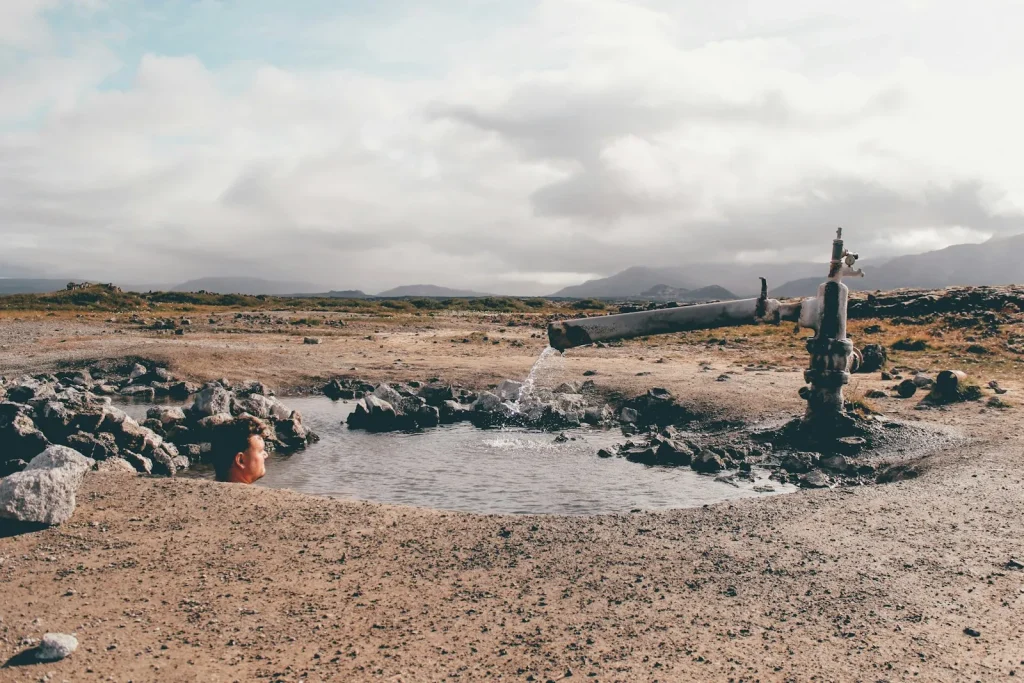
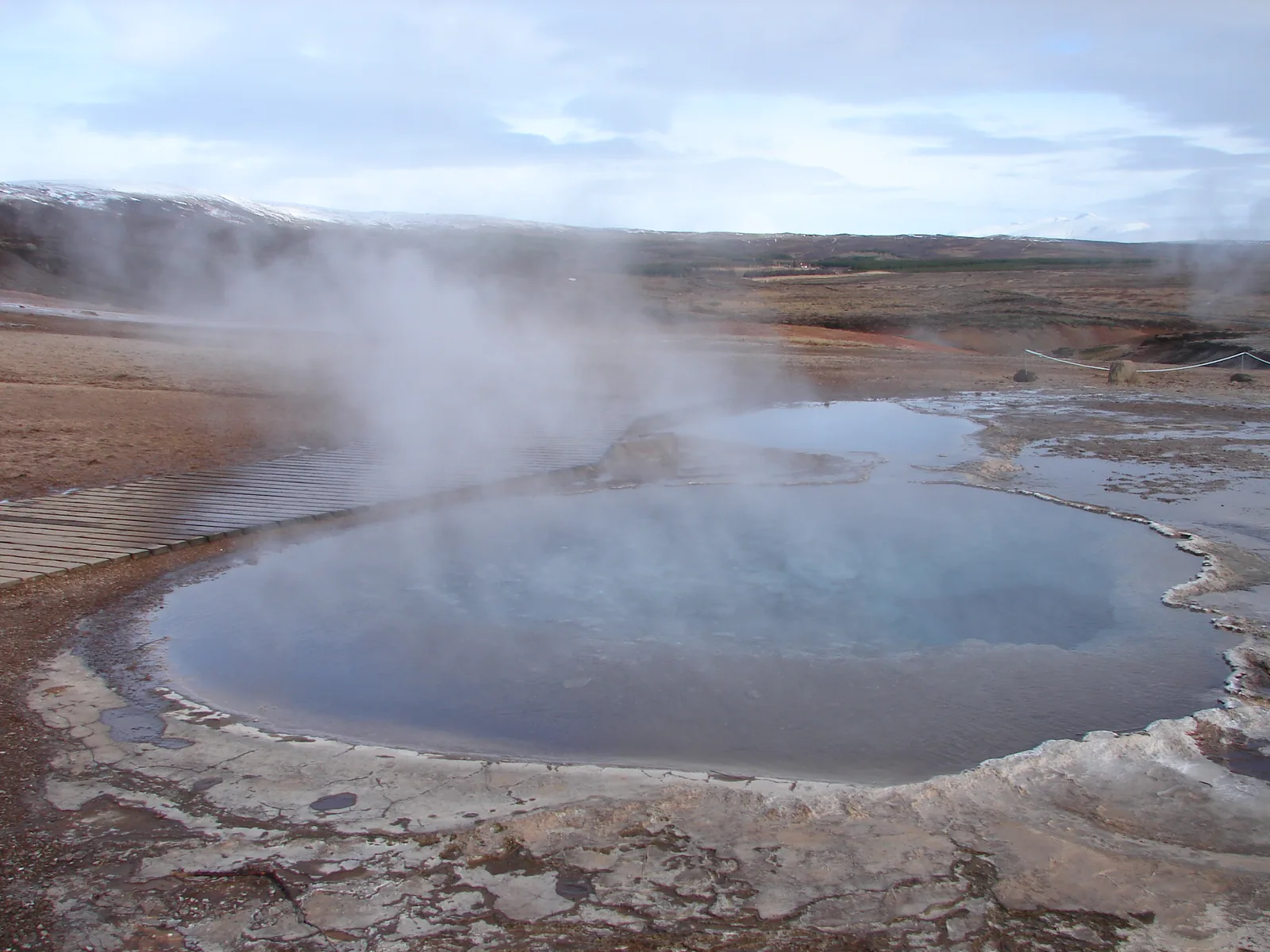
Not all geothermal bathing in Iceland requires a high-priced lagoon ticket. The Secret Lagoon (Gamla Laugin) at Flúðir in South Iceland has been in use since 1891, sits within a natural hot spring field with geothermal vents and small geysers visible around the pool, and charges entry well below the Blue Lagoon’s rates. Reykjadalur — a valley near Hveragerði on the South Coast — contains a natural hot river that flows at bathing temperature (around 38–40°C in the warmest sections) and is reached via a 3.5 km walk from the road; it is free, undeveloped, and among Iceland’s best-known natural bathing spots. Landmannalaugar, the starting point of the Laugavegur hiking trail in the highlands, has a natural hot spring pool accessible to hikers in summer, where hot water from a lava field mixes with cold glacial streams to form a pool at comfortable bathing temperature. These natural options require more planning — Reykjadalur is susceptible to damage from overuse, and Landmannalaugar is only accessible in the summer months — but offer the most direct connection to Iceland’s geothermal landscape without commercial development.
Planning an Iceland pool trip: practical considerations
For most visitors to Iceland, the most practical approach is to combine the two types: use a public sundlaug at least once for the authentic social experience (Laugardalslaug or Sundhöllin in Reykjavík are the easiest), visit one major commercial lagoon (Blue Lagoon on the way to or from Keflavik Airport, or Sky Lagoon from central Reykjavík), and if hiking in the south, stop at Reykjadalur or Seljavallalaug (another free historic pool). Pre-booking is essential for all major commercial lagoons, particularly in summer when demand exceeds capacity. Swimwear, towel, and a waterproof bag are needed for all public pools; many lagoons include towels in their entry price. Currency is not required at most pools — card payment is universal in Iceland. Water shoes are useful on rocky natural hot spring approaches. Those planning a broader Nordic or European outdoor swimming trip may also find our guide to outdoor swimming pools and lidos in the UK useful, and our natural swimming pools guide covers biological filtration systems without chemicals. For river swimming in a UK national park context, see our Sharrah Pool, Dartmoor guide.
Frequently Asked Questions
What is the best pool in Iceland?
For a cultural swimming experience, Laugardalslaug in Reykjavík or Hofsós Sundlaug in northwest Iceland are outstanding choices used by locals rather than tourists, with entry fees of approximately $10–15. For a commercial geothermal lagoon, the Blue Lagoon on the Reykjanes Peninsula is the most iconic; Sky Lagoon in Kópavogur is closer to Reykjavík and opened in 2021. For natural hot spring bathing, the Secret Lagoon at Flúðir and the Mývatn Nature Baths in the north are quieter and more affordable.
Do you have to shower before swimming in Iceland?
Yes — showering without a swimsuit before entering any Icelandic pool is a mandatory rule enforced at every public pool and most commercial lagoons. Specific body parts (armpits, groin, feet, hair) must be washed. This rule reflects Iceland’s geothermal water management: pools use minimal or no chlorine, which requires bathers to be genuinely clean before entry. Pool staff will turn back visitors who appear to have skipped the shower, and signs in changing rooms typically show exactly what must be washed.
How much does it cost to go to the Blue Lagoon in Iceland?
Blue Lagoon entry starts at approximately $107 for the Comfort tier, which includes access to the lagoon, a silica mud mask, a drink, and towels. The Premium tier (approximately $125) adds a second mask, bathrobes, and slippers. The Retreat Spa is a separate high-end facility at significantly higher cost. Prices are approximate and subject to change; pre-booking is mandatory at the Blue Lagoon — walk-in visitors are not accepted. Book well in advance during peak summer season (June–August).
Is Iceland’s swimming pool culture UNESCO listed?
Yes — in December 2025, Iceland’s swimming pool culture was added to UNESCO’s list of Intangible Cultural Heritage, becoming Iceland’s first independent entry on the list. The designation recognises the country’s heated public pools (sundlaugar) as unique social institutions that have shaped community life, fostered equality, and maintained intergenerational connection across Iceland for over a century. The mandatory shower tradition, the hot pot culture, and the pools’ role as social and political gathering spaces were all cited as part of the living heritage.
What is a hot pot in Iceland?
A hot pot (heitur pottur in Icelandic) is a small, very hot tub attached to or adjacent to a swimming pool, typically maintained at 38–44°C. Hot pots are central to Icelandic pool culture — they are where social interaction primarily happens, from everyday conversations to political debates. Most public pools in Iceland have several hot pots at different temperatures. The term is also informally used to describe Iceland’s geothermal hot springs more broadly. Hot pots in public pools typically hold 8–12 people sitting around the edge.