West Runton, a small village on the North Norfolk coast between Cromer and Sheringham, is home to something genuinely unusual: the only significant rock pools in Norfolk, formed not in granite or volcanic rock as in Cornwall or Scotland, but in an ancient chalk reef. The reef submerges twice daily with the tide and reappears as an extraordinary network of knobbly chalk pools teeming with marine life. Voted the number-one rockpooling location in Europe in 2016, West Runton’s chalk reef is one of the most accessible and species-rich intertidal environments in eastern England. This guide covers what makes it special, what you will find there, and how to make the most of a visit.
- West Runton’s chalk reef is the largest chalk reef in Europe and the only rock pools in Norfolk
- The beach was voted No.1 beach in North Norfolk in 2023 and top European rockpooling location in 2016
- West Runton is a designated Site of Special Scientific Interest (SSSI) — collecting marine life is prohibited
- The best time to rock pool is on a retreating tide, at least 3 hours after high water; fossil hunting is best after high tides and heavy rainfall when the Cromer Forest Bed is exposed
West Runton Beach and Its Chalk Reef
Why West Runton has rock pools — the chalk reef explained
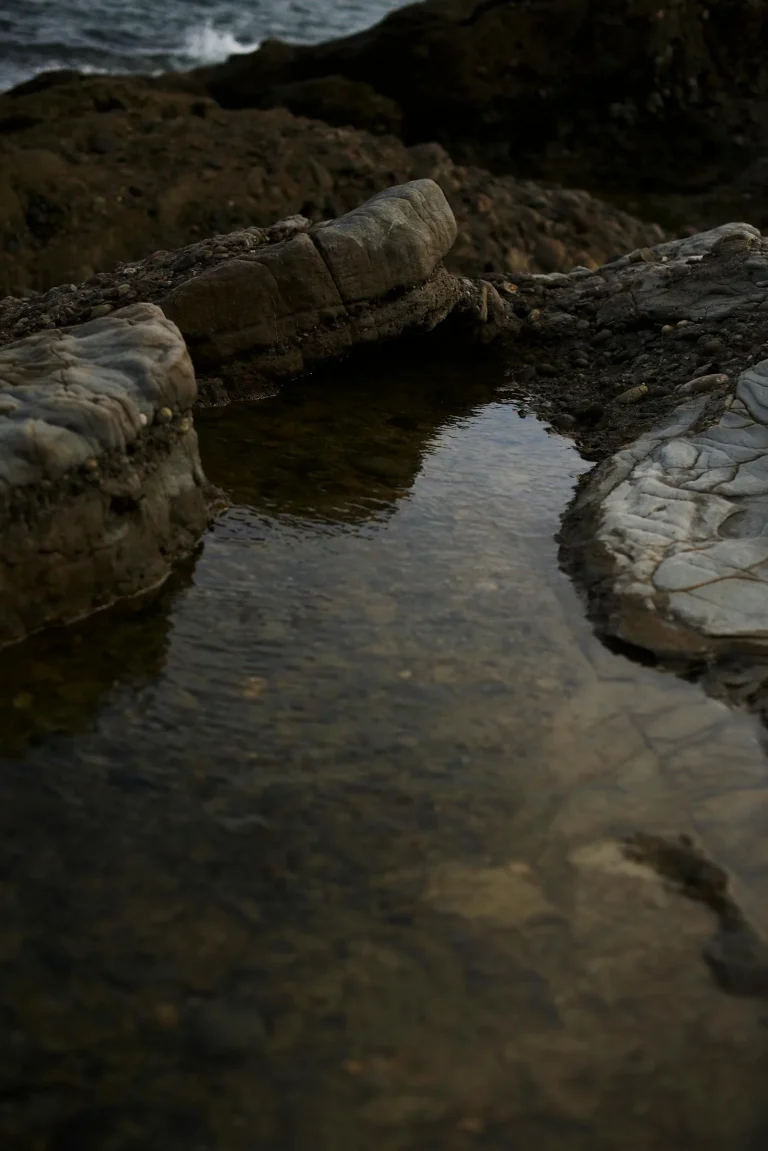
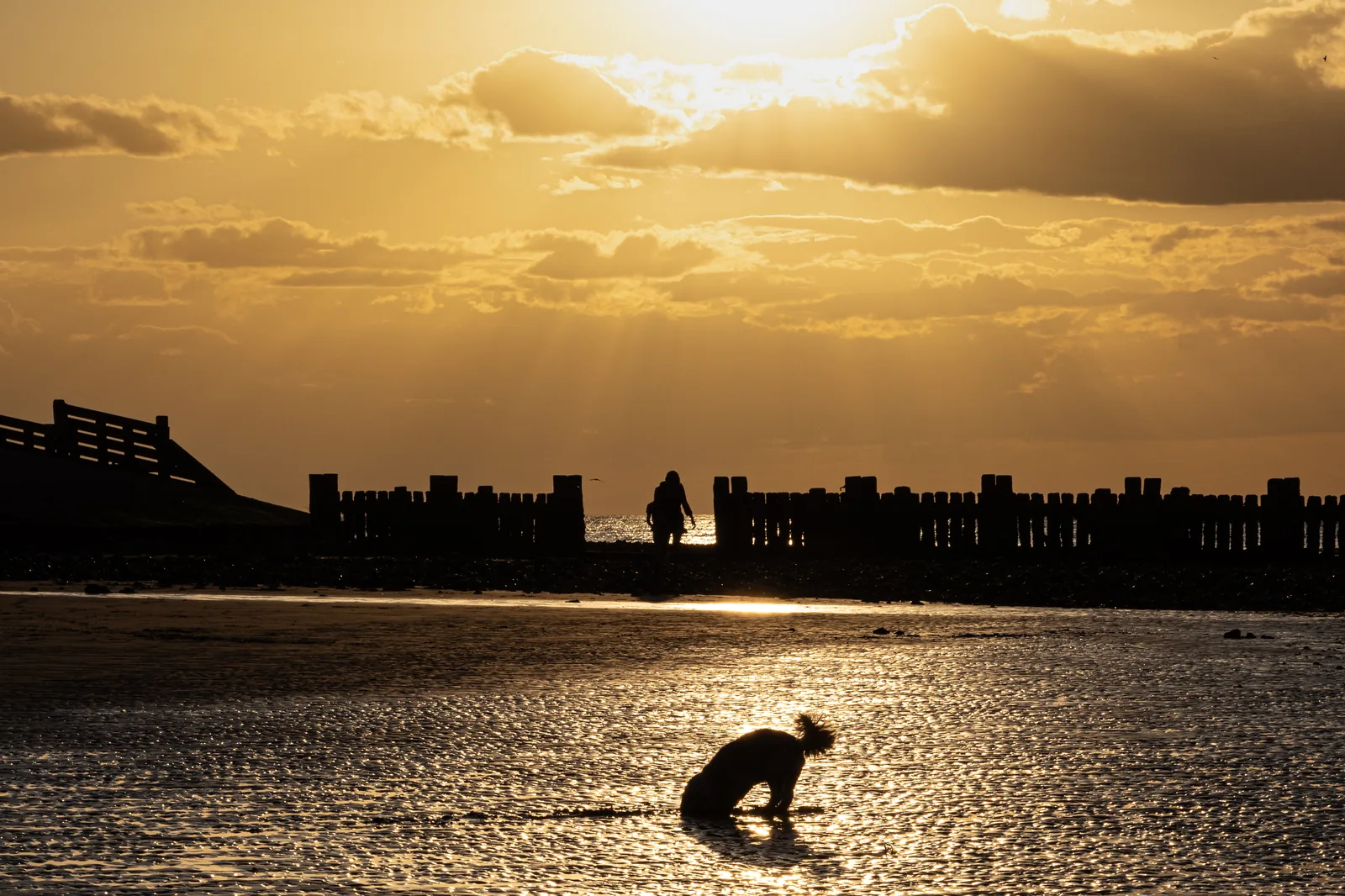
Most of Norfolk’s coastline is formed from soft glacial deposits — sand, clay, and till — that erode quickly and provide no hard substrate for rock pools to form. West Runton is different because Late Cretaceous chalk and flint outcrops at the base of the cliffs and extends as a reef into the sea. This chalk, laid down approximately 65–90 million years ago, is far harder than the surrounding glacial deposits and forms a complex platform of pools and channels that the sea cannot rapidly erode. Geologically, this chalk reef is the largest of its kind in Europe, covering a substantial area that is accessible at low water twice each day when the tide retreats.
The reef’s chalk and flint composition creates an ideal habitat for intertidal species. The irregular surface — full of hollows, channels, crevices, and overhangs — retains water as the tide drops, forming hundreds of individual pools at varying depths and exposures. The chalk is porous enough to support encrusting algae, sponges, and barnacles, while the flint components provide harder surfaces that some species prefer. The result is an exceptionally diverse intertidal community relative to the reef’s geographic location on the east coast of England.
Geological significance: fossils and the West Runton Mammoth
West Runton’s geological interest extends beyond the chalk reef to the cliffs themselves, which expose the Cromer Forest Bed — a layer of freshwater and estuarine sediments laid down approximately 700,000 years ago during a warm interglacial period. Fossil hunters find mammal and fish remains regularly eroding from this bed, including the teeth and bones of extinct animals that lived in what was then a forested landscape on the edge of a river system. The most famous discovery was made in 1990: a near-complete skeleton of a steppe mammoth (Mammuthus trogontherii) — one of the oldest and best-preserved fossil elephants ever found in Britain, estimated to weigh ten tonnes and to have died around 700,000 years ago. Several of the mammoth’s bones are displayed at Cromer Museum, and the excavation is documented at the Seaview Beach Café.
West Runton is a designated Site of Special Scientific Interest (SSSI). Collecting fossils from the Cromer Forest Bed and removing living organisms from the rock pools is prohibited without a permit. Casual observation and photography are welcomed; disturbing habitats is not. The best conditions for finding eroded fossils on the beach surface — rather than collecting from the cliffs — are immediately after high tides and heavy rainfall, when fresh material is exposed on the Forest Bed surface.
Getting there, parking, and facilities
West Runton is located on the A149 coast road between Cromer (3 miles east) and Sheringham (2 miles west). The main beach access is via Water Lane, a narrow turning off the A149 adjacent to the Village Inn pub. The Water Lane car park operates year-round with charges applying between March and October. There are toilets on site and the Seaview Beach Café — which runs the dedicated rockpooling information and equipment service — is open during the main visitor season. The café provides tide tables, species identification guides, and advice on current conditions. Runton railway station (West Runton halt on the Bittern Line between Norwich and Sheringham) is a short walk from the beach and is served by trains from Norwich, making the site accessible without a car.
What You’ll Find in West Runton’s Rock Pools
Species guide: crabs, anemones, fish, and more
West Runton’s chalk reef supports a remarkable diversity of intertidal species given its east coast location. The most reliably found animals in the pools include shore crabs (Carcinus maenas), common hermit crabs (Pagurus bernhardus), velvet swimming crabs (Necora puber — identifiable by their bright red eyes and blue-tinged legs), and black squat lobsters. Among the anemones, the beadlet anemone (Actinia equina) is common, appearing as a blob of dark red or green jelly when the tide is out and expanding into a flower-like form when submerged. In deeper pools, snakelocks anemones may also be present.
Fish in the pools include gobies, blennies, and the striking long-spined sea-scorpion (Taurulus bubalis), a small but dramatic-looking fish that sits motionless on the pool bottom and can be difficult to spot. Common prawns and brown shrimp are abundant and transparent enough to be nearly invisible against the chalk. Molluscs include limpets, periwinkles (edible winkles), dog whelks, and mussels clinging to the flint outcrops. The alga serrated wrack (Fucus serratus) — a dark brown seaweed with saw-toothed fronds — covers much of the pool surfaces and provides cover for many species. Sea lettuce (Ulva lactuca), bright green and translucent, fills the shallower, sunlit areas.
Planning Your Visit to West Runton Rock Pools
Best conditions for rock pooling
The key variable controlling what you can access and observe at West Runton is the tide. The chalk reef is covered twice daily and exposed for several hours around low water. The best rock pooling conditions are on a retreating tide — ideally arriving at the beach at least three hours after high water, when the reef is fully exposed and the sea is calm. A spring tide (the fortnightly tidal cycle when tidal range is greatest, occurring around new and full moon) exposes more of the reef than a neap tide, giving access to deeper pools that are rarely exposed.
Checking tide times in advance is essential — Cromer tide times apply to West Runton and are available from multiple coastal resources. Arriving at high water means the reef is completely submerged and inaccessible. The time window when the best pools are available is typically 2–3 hours either side of low water. Water in the pools is coldest from January to April and warmest from July to September, which affects species diversity and activity levels — summer visits generally reveal more active animals, while winter visits have fewer visitors and a different atmospheric quality entirely.
Coastal safety and conservation code
The chalk reef is irregular and can be slippery, particularly where covered in wet seaweed. Non-slip footwear is essential — Wellington boots or dedicated rock pool shoes are the most practical choice. The tidal sequence means the sea can return quickly: keeping aware of the tide direction at all times is critical, particularly on large spring tides that expose extensive areas of reef far from the access ramps and beach café. Children should always be supervised on the reef.
The conservation code for rock pools applies fully at West Runton. Replacing any stones or rocks that have been turned over is essential — many animals live on the undersides and will die if left exposed. Creatures should be observed rather than removed; if they are briefly lifted for identification, they should be returned immediately to the exact pool where they were found. Collecting shellfish from this SSSI carries legal penalties and disrupts the ecosystem. Visit North Norfolk’s West Runton guide provides current local access information for the site.
For other outdoor swimming and water activity destinations in eastern England, our guide to outdoor swimming pools and lidos in the UK covers lidos and open-air facilities. For those interested in natural water features and biological filtration approaches, see our natural swimming pools guide.
Frequently Asked Questions
What makes West Runton rock pools special?
West Runton has the only significant rock pools in Norfolk, formed in the largest chalk reef in Europe rather than the soft glacial deposits that make up the rest of Norfolk’s coastline. The reef submerges with each tide and re-exposes a diverse habitat of chalk and flint pools supporting shore crabs, hermit crabs, velvet swimming crabs, anemones, fish, and prawns. The site was voted the top European rockpooling destination in 2016 and is a designated SSSI.
When is the best time to visit West Runton rock pools?
The best time is on a retreating tide, at least three hours after high water, when the chalk reef is fully exposed. Spring tides (around new and full moon) expose more of the reef and reveal deeper pools. The summer months (June–September) offer the best water temperatures and species diversity, but the pools are worth visiting year-round. Always check Cromer tide times before going — arriving at or near high water means the reef is completely submerged.
Can you collect fossils at West Runton?
Casually collecting eroded fossils found loose on the beach surface is generally tolerated, but West Runton is a SSSI, which means collecting from the cliffs or foreshore is technically restricted. The best conditions for finding loose fossils are after high tides and heavy rainfall, when the Cromer Forest Bed erodes and fresh material is exposed. The West Runton Steppe Mammoth, found in 1990, is the most famous example — bones are on display at Cromer Museum.
Is West Runton beach good for families?
Yes — West Runton is consistently rated one of North Norfolk’s best family beaches. The rock pools are accessible without specialist equipment, the Seaview Beach Café provides species guides and facilities, there is parking and toilets on site, and the Bittern Line railway station provides car-free access from Sheringham and Cromer. Non-slip footwear is essential, and children should be supervised on the reef at all times given the slippery chalk surface and returning tide.
What footwear should you wear for rock pooling at West Runton?
Non-slip footwear is essential on the chalk reef, which is covered in wet seaweed and can be very slippery. Wellington boots are practical for keeping feet dry and providing grip. Dedicated water shoes or old trainers with grip also work well. Avoid smooth-soled shoes or flip-flops, which provide no grip on wet chalk. Walking barefoot is not recommended as the chalk and flint surfaces are uneven and hard underfoot.