The UK coastline supports a range of tidal pools — both historic man-made sea pools built in the early 20th century and natural rock pools formed by wave action over millennia. Man-made tidal pools, sometimes called sea pools or tidal lidos, were constructed from the 1890s through the 1930s to give communities safe access to seawater swimming away from open surf and tidal currents. Natural tidal pools form in rocky coastal areas at low tide and are the primary habitat for UK rockpooling, supporting species including shore crabs, beadlet anemones and common starfish. For purpose-built natural swimming pools, constructed freshwater alternatives exist as a separate category. This guide covers the best man-made sea pools in England and the best natural tidal pool and rockpooling locations across Cornwall, Devon and Scotland.
- Walpole Bay Tidal Pool in Margate, Kent — built 1937, 4 acres (450ft long), Grade II-listed — is the largest tidal pool in the UK. Entry is free.
- Bude Sea Pool, Cornwall — built 1930, 290×140 feet, 4 million litres capacity — is free year-round and managed by the Friends of Bude Sea Pool charity formed in 2011.
- Clevedon Marine Lake, Somerset — opened 30 March 1929, 15,000m² (the size of two football pitches), restored 2015 with Heritage Lottery Fund — is 40 minutes from Bristol by car.
- For rockpooling, spring tides expose the deepest pools and the widest range of species; best season is late spring and summer when warmer conditions make wildlife more active.
Best Man-Made Tidal Pools in the UK
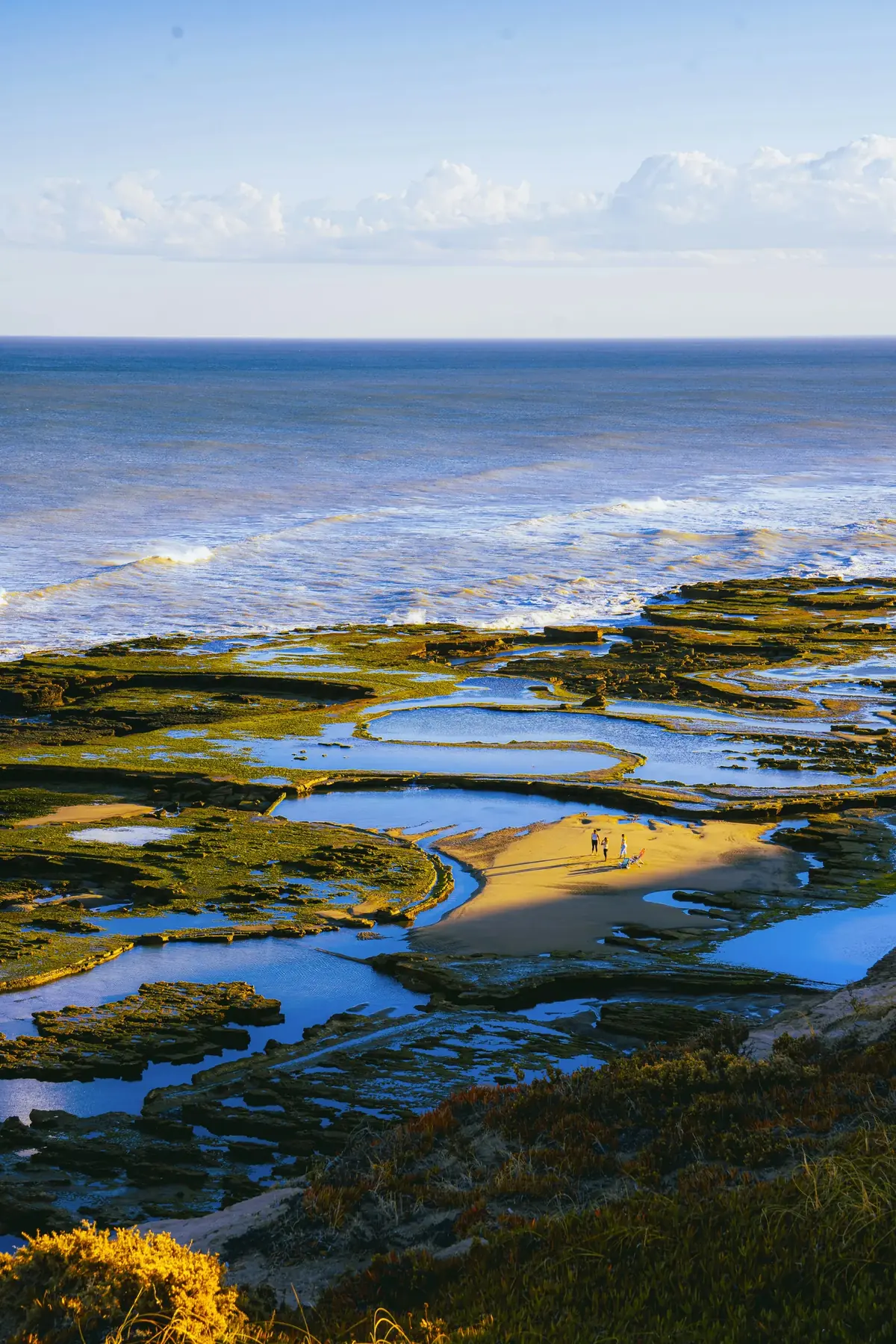
The UK’s man-made tidal sea pools were built predominantly between the 1890s and the 1930s as part of Victorian and inter-war coastal bathing infrastructure. Seawater is retained by concrete walls or stone barriers and refreshed naturally by each high tide, giving swimmers a calmer environment than open surf. Most remain free to use, managed by local councils, charities or community interest companies. Cornwall alone has more than 33 tidal pools along its coastline.
Walpole Bay and Bude Sea Pool
Walpole Bay Tidal Pool in Margate, Kent is the largest tidal pool in the UK. Built in 1937 to a design by Margate’s borough engineer, the pool covers 4 acres — 450 feet long, with widths ranging from 300 to 550 feet — and reaches depths of 6 feet. Its walls were constructed from interlocking concrete blocks reinforced by iron tram rails, with work carried out day and night to exploit each spring tide during construction. The pool is Grade II-listed, free to enter, and sits in the Cliftonville area of Margate, within walking distance of the town’s beaches and Turner Contemporary gallery.
Bude Sea Pool on Summerleaze Beach in north Cornwall was built in 1930 and covers approximately 290 × 140 feet (88 × 43 metres), holding around 4 million litres of seawater — though this varies depending on how much sand the sea washes in. The pool is semi-natural: positioned under coastal cliffs, it is topped up twice daily by Atlantic waves. It is free to use 365 days a year. The Friends of Bude Sea Pool charity, formed in 2011 after proposed funding cuts sparked community protests, manages the pool. The RNLI and Bude Surf Lifesaving Club use it for training; lifeguards are present seasonally.
Shoalstone, Clevedon and Tunnels Beach
Shoalstone Pool in Brixham, Devon began as a natural rock pool that was popular for bathing in Victorian times. The north wall was built by Upham’s shipyard in 1896; Brixham Urban District Council expanded the pool to its current shape in 1934, adding a shallow and deep end. Entry is free (voluntary donations of £3 per swim or £8 per family are requested), and lifeguards supervise the pool from 10am to 6pm daily throughout summer (May–September). The pool is managed by Shoalstone Pool CIO and supported by the Friends of Shoalstone Pool. It sits on the Brixham coast with views across Torbay.
Clevedon Marine Lake in Somerset was opened on 30 March 1929, purpose-built to provide safe sea swimming as an alternative to the strong currents and tidal range of the Bristol Channel. It covers 15,000m² — equivalent to two football pitches — with a maximum depth of 2.5 metres. After falling into disuse from the 1970s, the lake was restored in 2015 with Heritage Lottery Fund support. Today it is free to use, approximately 40 minutes from Bristol by car, and supports swimming, paddleboarding and kayaking. A separate shallow paddling area accommodates children.
Tunnels Beaches Sea Pool in Ilfracombe, North Devon, is accessed through hand-carved tunnels dating to the 1820s, originally cut to give Victorian bathers private access to segregated beaches. The sea pool beyond the tunnels retains tidal water and offers a combination of sand, shingle and pool swimming. Entry costs £4 for adults, making it one of the few tidal sea pools in the UK that charges admission.
Natural Tidal Pools and Rockpooling Locations in the UK
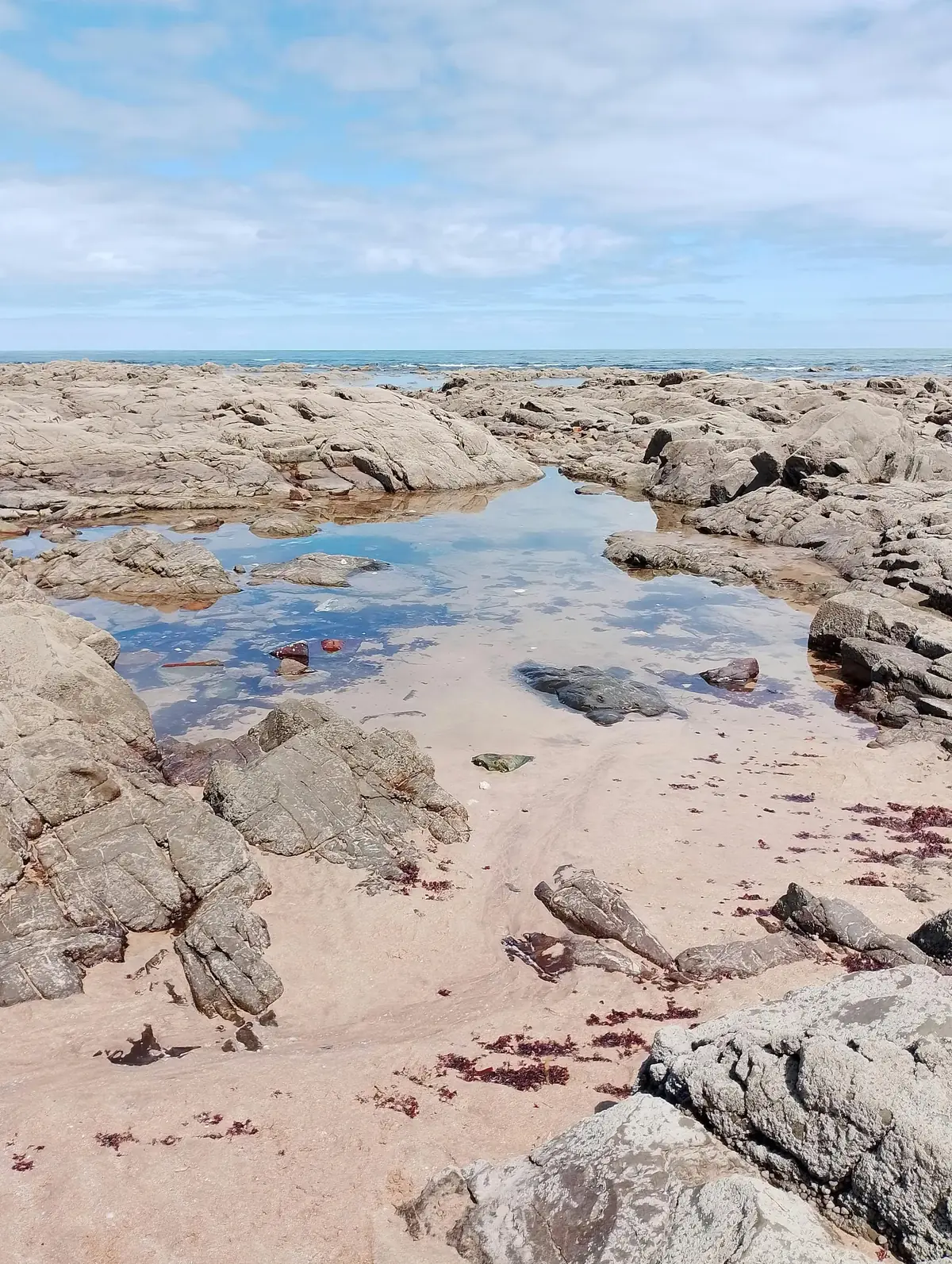
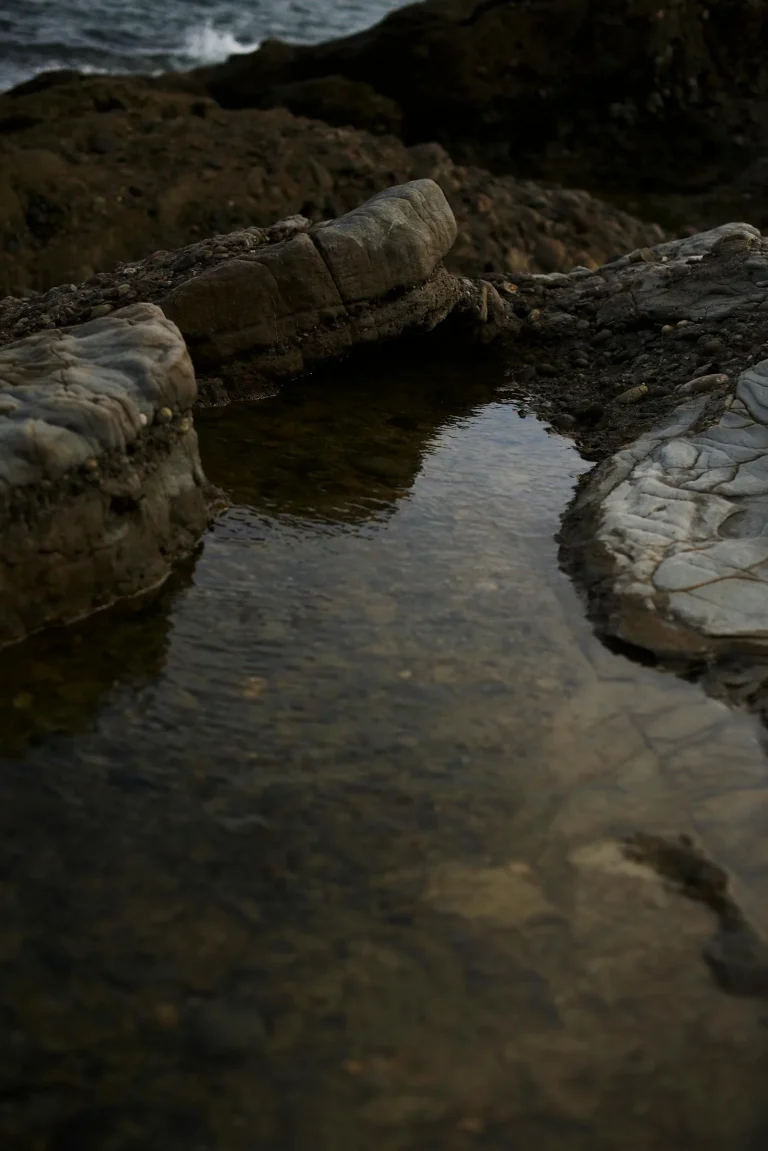
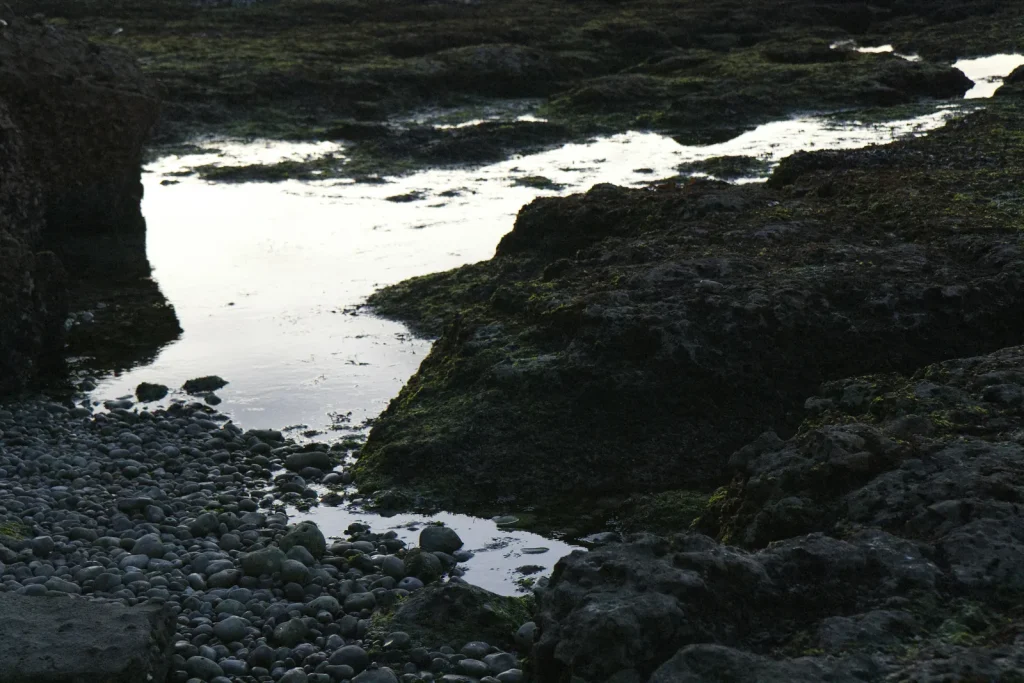
Natural tidal pools form in rocky intertidal zones where wave action and erosion create hollows that retain seawater at low tide. Cornwall and Scotland have the highest concentrations of natural tidal pool swimming spots in the UK, with the best offering clear water, sheltered conditions and accessible marine life. Unlike man-made sea pools, natural pools are not maintained or supervised — visiting safely requires checking local tide times before arrival.
Cornwall and Scotland Natural Pools
Cornwall’s coastline has several well-known natural tidal pools suitable for swimming. Treyarnon Rock Pool at Treyarnon Bay, near Padstow, is a large natural pool suitable for families and beginner swimmers, free to access and reached via the Trevose Headland coastal walk. Chapel Rock Pool at Perranporth is carved into granite and best visited at low tide for calm swimming; it is surrounded by cafes and has a dramatic surfing beach backdrop. Trevone Sea Pool, also on the north Cornish coast near Padstow, forms naturally at low tide and can become busy in summer. Mousehole Rock Pool near Penzance sits within the sheltered harbour of Mousehole village.
In Scotland, the St Monans Tidal Pool in Fife — restored in the 1930s — is widely regarded as one of the best Scottish examples, set on the East Neuk coastline with views across the Firth of Forth. The nearby Pittenweem tidal pools, just a mile from St Monans around the headland, offer a similar sheltered setting close to the Pittenweem fishing village, with access to a boat harbour, lighthouse and St Fillan’s Cave. Both are free to use. For wild swimming further west, the natural pools near Luss on Loch Lomond offer a different experience — freshwater rock pools and burns accessible 45 minutes from Glasgow.
What to Find: Rockpooling Species and Best Conditions
UK rock pools at low tide support a consistent range of marine species. The most common are shore crabs (dark green, found on all UK coasts), velvet swimming crabs (blue with distinctive red eyes — handle with care, as they are territorial), and hermit crabs. Anemones are found across the intertidal zone: the beadlet anemone and snakelocks anemone are most common, with the rare gem anemone found at lower tide levels. Common starfish, sea slugs, sponges and the common periwinkle (the largest UK sea snail, reaching 5cm) are also typical finds. Mermaid’s purse (the empty egg cases of sharks or rays) sometimes washes into pools or onto nearby beaches.
Timing a rockpooling visit to spring low tides — which occur around new and full moons and expose the lowest intertidal zone — gives access to the greatest variety of species, including lobsters, spider crabs and small fish that are normally found underwater. The Wildlife Trusts recommend late spring and early summer as the best season for rockpooling, when temperatures are milder and marine life is more active. In the UK, two low tides occur approximately every 24 hours and 50 minutes. The Natural History Museum advises checking tide tables before visiting, replacing rocks carefully after looking beneath them, and not removing any live creatures from pools.
| Pool / Location | Type | Built / Formed | Key Fact | Access |
|---|---|---|---|---|
| Walpole Bay, Margate | Man-made | 1937 | 4 acres — UK’s largest tidal pool; Grade II-listed | Free |
| Bude Sea Pool, Cornwall | Semi-natural | 1930 | 4 million litres; 290×140ft; free 365 days | Free year-round |
| Shoalstone Pool, Brixham | Man-made | 1896/1934 | Lifeguards May–Sep; voluntary £3 donation | Free (donations) |
| Clevedon Marine Lake, Somerset | Man-made | 1929 | 15,000m²; restored 2015; 40 min from Bristol | Free |
| Tunnels Beach, Ilfracombe | Sea pool | 1820s tunnels | Victorian hand-carved access tunnels | £4 adults |
| Treyarnon Rock Pool, Cornwall | Natural | Natural | Family-friendly; near Trevose Headland walk | Free |
| St Monans Tidal Pool, Fife | Natural/restored | 1930s restored | East Neuk coastline; Firth of Forth views | Free |
Frequently Asked Questions
What is the largest tidal pool in the UK?
Walpole Bay Tidal Pool in Margate, Kent is the largest tidal pool in the UK, covering 4 acres (450 feet long, widths of 300–550 feet, up to 6 feet deep). It was constructed in 1937 by Margate’s borough engineer using interlocking concrete blocks reinforced by iron tram rails, and is Grade II-listed. Entry is free.
Is Bude Sea Pool free to use?
Yes — Bude Sea Pool is free to use 365 days a year. Built in 1930, it is a semi-natural tidal pool on Summerleaze Beach in north Cornwall managed by the Friends of Bude Sea Pool charity (formed 2011). The pool holds around 4 million litres of Atlantic seawater. Lifeguards are present seasonally. There is no admission charge.
When is the best time to go rockpooling in the UK?
The best time for rockpooling is during spring low tides, which occur around new and full moons and expose the deepest intertidal pools. The best season is late spring and early summer (May–July), when temperatures are milder and marine life is most active. Check local tide tables to time your visit to arrive as the tide is going out and explore before it returns.
Are tidal pools safe to swim in?
Man-made tidal sea pools (Walpole Bay, Bude, Shoalstone, Clevedon) are generally safe for swimming, with many having lifeguards in summer. Natural tidal pools require care: rocky surfaces around pool edges are slippery, water temperatures are cold year-round, and there are no lifeguards. Always check tide times before visiting a natural pool — rising tides can cut off access routes. Wear water shoes on rocky terrain and swim with a companion.
Where are the best tidal pools in Cornwall?
The best tidal pools in Cornwall include Bude Sea Pool (290×140ft, free year-round), Treyarnon Rock Pool near Padstow (natural, family-friendly), Chapel Rock Pool at Perranporth (granite formation, best at low tide), and Trevone Sea Pool near Padstow (natural formation). Cornwall has more than 33 tidal pools along its coastline, ranging from natural rock formations to community-managed sea pools.
Are there tidal pools in Scotland?
Yes — Scotland has several notable tidal pools, particularly along the Fife coast. St Monans Tidal Pool on the East Neuk of Fife (restored in the 1930s) and the nearby Pittenweem tidal pools are the most well-known. The town of Wick in Caithness also has two tidal swimming places — The Trinkie and North Baths. Both the Fife and Caithness pools are free to use.