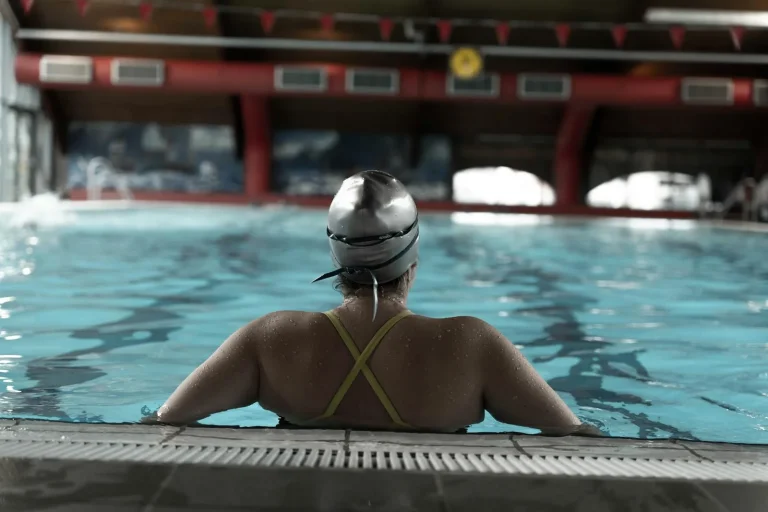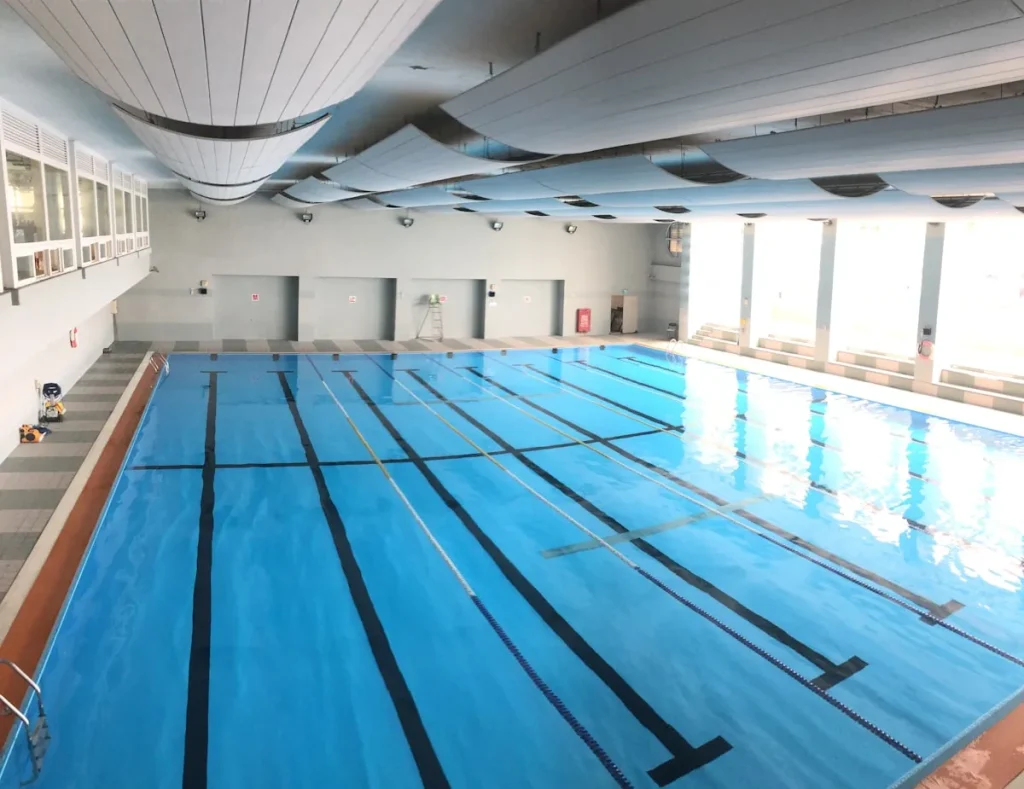
Chlorine is essential to safe public swimming — it kills pathogens including E. coli, Cryptosporidium, and Hepatitis A, making pool water safe to swim in. But chlorine’s interaction with the organic material that swimmers bring into the water (sweat, urine, skin cells, sunscreen) produces chemical byproducts called chloramines that are the source of most of the health complaints associated with pool swimming. This guide covers the side effects of chlorine in swimming pools, what the evidence shows about who is most at risk, and what practical steps reduce exposure.
- The characteristic “pool smell” is chloramines, not free chlorine — it indicates a pool with high levels of combined chlorine from swimmer contamination, not a well-maintained one
- CDC guidance limits combined chlorine (chloramines) to 0.4 ppm or less — above this level, eye, skin, and respiratory irritation increase significantly
- The most consistent side effects in recreational swimmers are eye irritation and skin dryness — respiratory effects are more common and significant in competitive swimmers and pool staff due to prolonged exposure
- Indoor pools carry higher risk than outdoor pools because chloramines accumulate in the air above the water surface, particularly in poorly ventilated natatoriums
Chloramines — The Real Cause of Most Pool-Related Side Effects
How chloramine forms and why it matters
Free chlorine — the active disinfectant added to pools — is largely safe at the levels used in public pools (typically 1–3 ppm). The health issues associated with chlorinated pools come primarily from what happens when free chlorine reacts with nitrogen-containing substances that swimmers introduce: urine, sweat, skin cells, body lotions, and cosmetics. This reaction produces chloramines (combined chlorine), including trichloramine (nitrogen trichloride), which is the volatile compound responsible for the irritant gas above pool surfaces. The CDC explains that the “chlorine smell” at pools actually indicates the presence of chloramines — a sign that swimmer contamination is high — rather than an excess of free chlorine. A properly maintained pool with low chloramine levels has little or no smell. High chloramine levels are both a performance failure of pool management and the cause of most complaints about pool-related irritation.
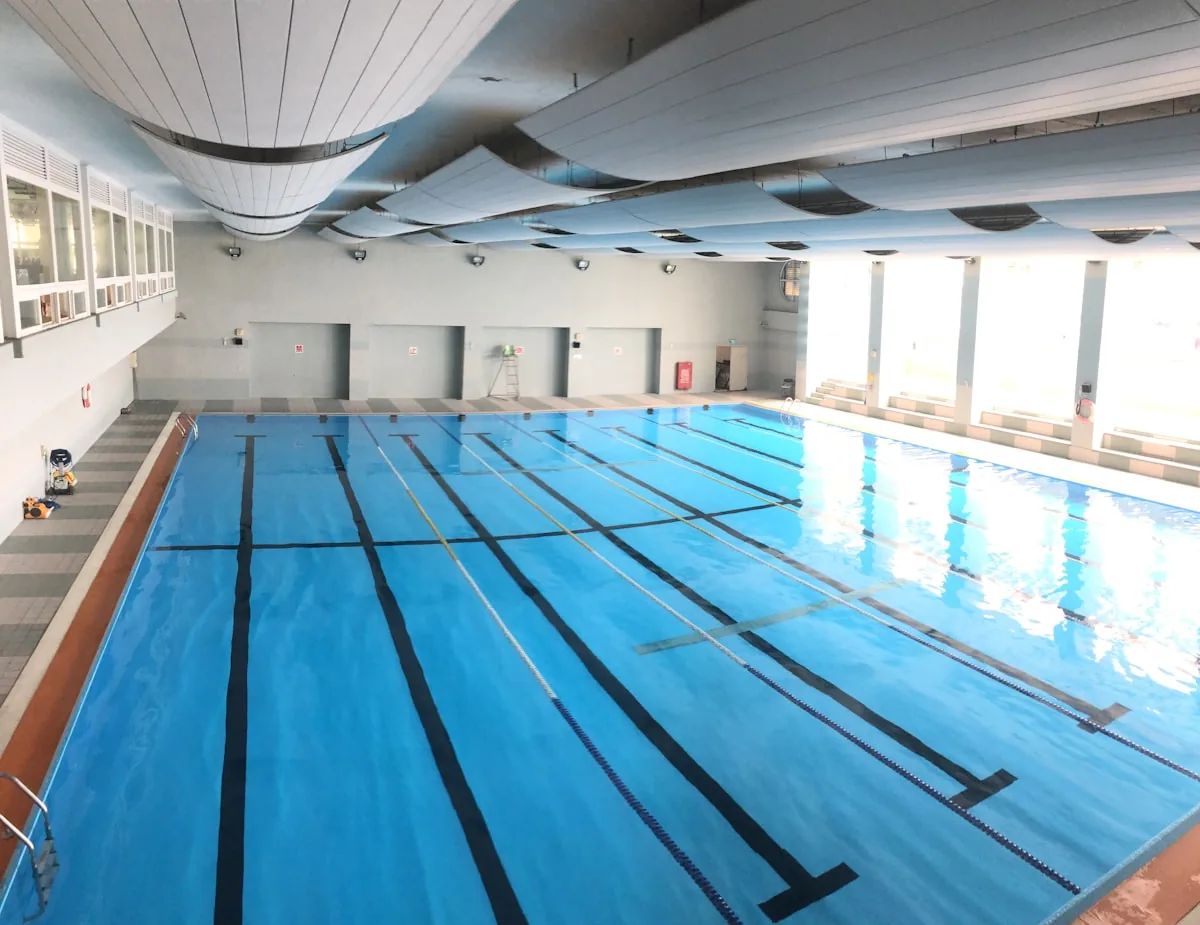
Chloramines cause three primary types of side effect in swimmers: irritation of the eyes and mucous membranes; skin effects including dryness, itching, and in some cases a rash; and respiratory irritation ranging from mild coughing to more serious airway effects. These effects are dose-dependent — the longer the exposure and the higher the chloramine concentration, the more pronounced the effects. Indoor pools are consistently more problematic than outdoor pools because chloramines are volatile: in outdoor environments they dissipate into the air, while in natatoriums they accumulate in the air layer just above the water surface, exactly where swimmers breathe during front crawl and backstroke.
Eye, skin, and respiratory effects — what the evidence shows
Eye irritation is the most universally reported side effect of pool chlorine exposure. CDC guidance on eye irritation from pool chemicals confirms that chloramines — not free chlorine — are the source of red, itchy, burning eyes after swimming. Wearing goggles eliminates direct eye contact with pool water and substantially reduces this effect. Skin dryness and irritation are also common, particularly in regular swimmers: chlorine breaks down the skin’s natural oil layer, causing dryness, itchiness, and occasional redness. Swimmers with sensitive skin or eczema are more susceptible. Showering with fresh water immediately after swimming and applying moisturiser helps restore the skin’s lipid barrier.
Respiratory effects are more variable. For recreational swimmers in well-maintained pools, significant respiratory effects are uncommon. The risk increases substantially with exposure duration and chloramine concentration. Cleveland Clinic pulmonologist Dr Rachel Taliercio describes the condition known as “chlorine cough” or tracheobronchitis: coughing, wheezing, throat burning, and chest tightness caused by inhaling chloramine-contaminated air above an indoor pool. Symptoms can last hours or, in severe cases, days. This condition is most commonly seen in competitive swimmers and pool staff who spend many hours per week in indoor pool environments. A 2021 systematic review in the journal Allergy found that exposure to indoor chlorinated pools increased the risk of eye, skin, and respiratory irritation, with these effects more pronounced in competitive swimmers than in recreational bathers. For most recreational swimmers, the benefits of regular swimming substantially outweigh the health costs of incidental chloramine exposure.
Who Is Most at Risk and What the Long-Term Evidence Shows

Competitive swimmers, children, and asthmatics
The populations most exposed to chlorine side effects are competitive swimmers training in indoor pools, swimming instructors and lifeguards who work poolside for extended periods, and children who swim regularly in indoor pools. Competitive swimmers can spend 20–30 hours per week in pool environments, and the evidence for asthma development and airway hyperresponsiveness in this group is reasonably strong: multiple studies have found higher rates of asthma, rhinitis, and respiratory allergies in elite swimmers compared with other athletes or the general population. Swimming World Magazine’s review of the evidence notes that competitive swimmers are at greater risk for chlorine cough than recreational swimmers, and that the distinction between cause and correlation — elite swimmers may have pre-existing respiratory sensitivities that draw them to swimming — makes definitive conclusions difficult.
For children, Cleveland Clinic notes a “suggested but not conclusive” association between childhood asthma development and regular early swimming in indoor pools. The evidence here is genuinely mixed: some studies find increased risk, others do not, and the cardiovascular and developmental benefits of childhood swimming are well-established. Current guidance does not recommend restricting indoor pool access for children based on this uncertainty. People with pre-existing asthma or airway hyperresponsiveness may be more likely to develop symptoms in high-chloramine environments; well-ventilated pools with good chloramine management are preferable for this group.
Disinfection byproducts and long-term health concerns
Beyond chloramines, chlorination produces other byproducts — trihalomethanes (THMs) including chloroform — that have been studied for potential long-term health effects. A 2021 review in the journal Allergy found associations between THM exposure and bladder cancer risk in some studies, though the researchers noted most existing evidence derives from drinking water exposure rather than pool swimming specifically. Pool chloroform exposure through breathing, skin absorption, and incidental ingestion is orders of magnitude lower than drinking water THM exposure, and the evidence does not support significant cancer risk for recreational swimmers from pool disinfection byproducts at normal concentrations. Maintaining pools with adequate free chlorine while minimising chloramine formation — primarily by encouraging pre-swim showers and not urinating in pools — reduces both irritant exposure and disinfection byproduct formation simultaneously. For those interested in alternatives to chlorinated pools, our guide to natural swimming pools covers biological filtration systems that use no chlorine, and outdoor pools and lidos typically have lower chloramine accumulation than indoor facilities due to natural ventilation.
Reducing Chlorine Side Effects: Practical Steps for Swimmers

Before and after swimming
Showering before entering the pool removes sweat, body lotions, and residual urine from the skin — reducing the organic material available to react with free chlorine and form chloramines for all bathers. After swimming, rinsing thoroughly with fresh water removes chlorine and chloramine residue from skin and hair; applying a moisturiser restores the skin’s lipid barrier. Wearing goggles throughout a swim prevents direct contact between chloraminated water and the eyes — the single most effective prevention for pool-related eye irritation. Avoiding urinating in the pool reduces chloramine formation in the water that every swimmer breathes.
Choosing lower-exposure swimming environments
A pool that smells strongly of “chlorine” is signalling high chloramine levels — this indicates a pool needing better contamination management, not one that is over-chlorinated with free chlorine. Well-managed pools smell faintly of nothing. Outdoor pools and open-air lidos disperse chloramines naturally through ventilation and present lower respiratory exposure than indoor facilities, particularly those with poor HVAC systems. If you regularly experience significant symptoms after swimming at a specific indoor pool, it is worth raising concerns with management — combined chlorine levels are measurable, regulated, and correctable through superchlorination. For those who want to avoid chlorine entirely, our guide to natural swimming pools and chemical-free alternatives covers biological filtration systems, and our roundup of outdoor swimming pools and lidos lists venues where chloramine accumulation is lower by design.
Frequently Asked Questions
What are the main side effects of chlorine in swimming pools?
The main side effects are eye irritation (red, itchy, burning eyes), skin dryness and itching, and respiratory irritation including coughing and throat burning. These effects are caused primarily by chloramines — byproducts formed when chlorine reacts with swimmer contamination such as urine and sweat — rather than by free chlorine itself. Most side effects are mild and temporary for recreational swimmers. Competitive swimmers and pool staff face greater risk due to sustained exposure in indoor environments.
Is chlorine in swimming pools bad for you?
At the levels used in properly maintained public pools (1–3 ppm free chlorine), chlorine itself is not significantly harmful for recreational swimmers. The health effects associated with pool swimming come primarily from chloramines — formed when chlorine reacts with body waste. For most people swimming recreationally, the well-documented benefits of regular swimming (cardiovascular health, lung function, low-impact exercise) substantially outweigh the modest risks from incidental chloramine exposure. Competitive swimmers and pool staff face greater risk from prolonged indoor exposure and should be aware of symptoms of airway irritation.
Why do my eyes hurt after swimming in a pool?
Eye irritation after swimming is caused by chloramines in the water, not by free chlorine. Chloramines form when chlorine reacts with urine, sweat, and other organic matter in pool water. They irritate the conjunctiva (the membrane covering the eye), causing redness, itching, and burning. The most effective prevention is wearing goggles, which prevents pool water from contacting the eyes entirely. Pools with a strong “pool smell” — which indicates high chloramine levels — are more likely to cause eye irritation than well-maintained, lightly scented pools.
Can chlorine in pools cause asthma?
The evidence suggests that prolonged exposure to chloramine-contaminated air in indoor pools can trigger asthma symptoms in people who already have asthma or airway hyperresponsiveness, and that competitive swimmers who train intensively in indoor pools have higher rates of asthma than other athletes. Whether swimming in indoor pools causes new-onset asthma in children who did not previously have it is less clear — the evidence is mixed, and Cleveland Clinic notes the association is “suggested but not conclusive.” Current health guidance does not recommend restricting recreational pool swimming on this basis, but poorly ventilated indoor pools with high chloramine levels are a greater concern for asthma management than outdoor or well-ventilated facilities.
Does chlorine irritate skin?
Yes — regular exposure to chlorinated pool water can cause skin dryness, itching, and sensitivity. Chlorine breaks down the skin’s natural oil layer (the stratum corneum’s lipid barrier), which is protective. This effect is more pronounced with prolonged or daily exposure. After swimming, rinsing immediately with fresh water removes chlorine residue, and applying a moisturiser helps restore the skin’s barrier. People with sensitive skin, eczema, or dermatitis may experience more pronounced reactions and may benefit from applying a barrier cream before swimming in heavily chlorinated water.