Scotland’s wild swimming pools — the Fairy Pools on the Isle of Skye, the Marble Pools at Sligachan, and the pools of Glen Etive in the Highlands — are among the most photographed natural swimming locations in the UK and represent the best of the country’s accessible wild swimming. The Isle of Skye’s Fairy Pools received 180,000 visitors in 2019; Glen Etive is a quieter valley in the Glencoe area with a river canyon of deep pools, smooth granite slides, and waterfalls; the Marble Pools at Sligachan Bridge are a 5-minute walk from the Sligachan Hotel with a local legend attached. This guide covers what to expect at each location and when to visit.
- Marble Pools, Sligachan: 5-minute walk from Sligachan Hotel (parking available) — blue-green pools with Cuillin backdrop, 6–10°C water temperature, local legend of eternal beauty for those who submerge their face without drying it
- Glen Etive: Turn off the A82 at the head of Glencoe (postcode PH49 4HY) — single-track road follows the River Etive with pools, smooth slides, and waterfalls accessible throughout the glen
- Best time to visit the Fairy Pools: May–June (best weather + fewer crowds) or arrive before 10am / after 5pm in summer — July–August is peak season with hundreds of simultaneous visitors
- The Fairy Pools legend: A Clan MacLeod chieftain married a fairy princess; when forced to return to the fairy realm, she filled the pools with tears of sorrow. The name “Fairy Pools” first appeared in a 1931 guidebook
Glen Etive and the Marble Pools of Sligachan
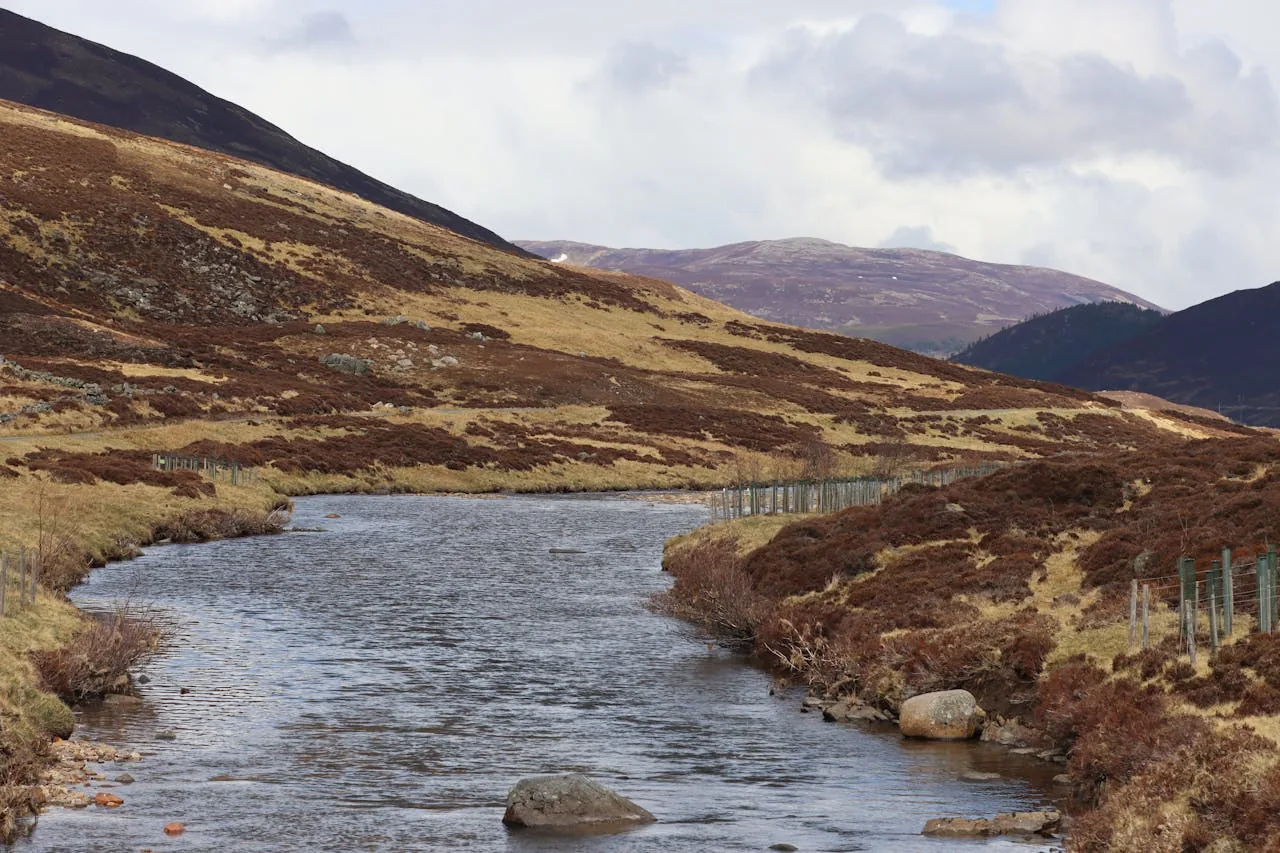
Glen Etive — the Highland pools of the Glencoe valley
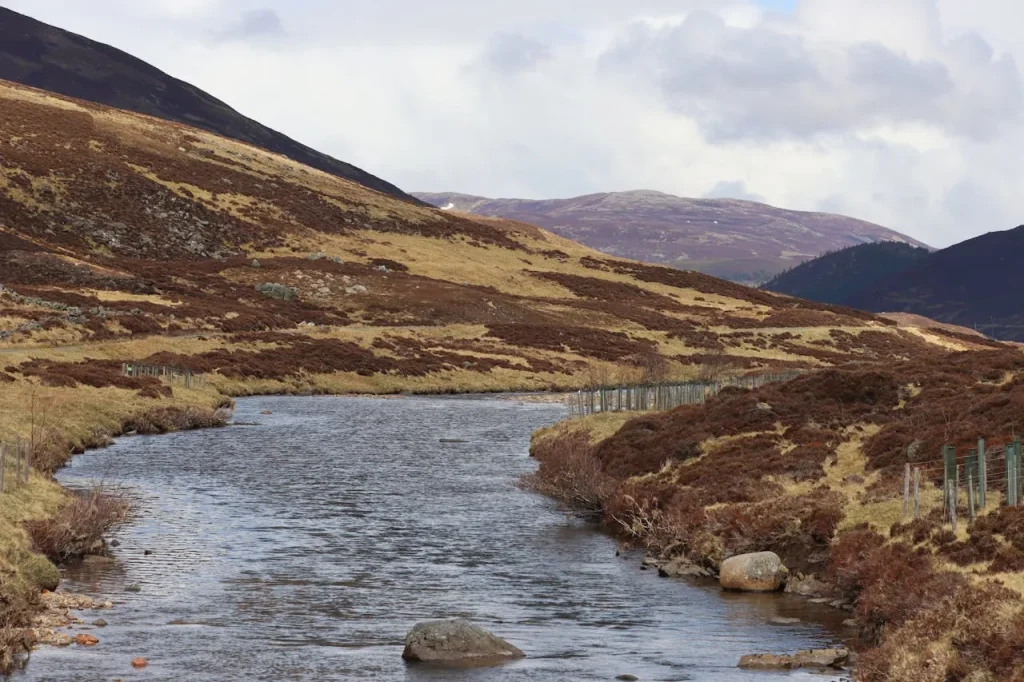
Glen Etive is a valley running south from the A82 at the head of Glencoe — one of Scotland’s most accessible Highland wild swimming destinations for visitors to the Glencoe area. To reach it, turn off the A82 approximately 1km west of the Kings House Hotel (near postcode PH49 4HY) and follow the single-track road south into the glen. The River Etive runs alongside this road for much of its length, and pools are accessible throughout — from the first larger pools near the road junction down to the lower glen. The river has a series of smooth granite bedrock slides, plunge pools deep enough to dive into, natural rock jacuzzi features where streams converge, and waterfalls that vary in intensity with rainfall levels. Wild Swimming’s guide to Lower Glen Etive describes the river canyon as one of the finest accessible wild swimming rivers in Scotland. Water temperature in the River Etive is cold year-round — typically 6–12°C in summer — and the pools are significantly higher-volume and faster-flowing after heavy rain, which can make some spots dangerous. Glen Etive became widely known internationally after appearing as a filming location in the James Bond film Skyfall (2012), where it served as the backdrop for the approach to Skyfall Lodge. Midges are a significant factor from June to August; repellent is essential for extended time near the riverbank.
Marble Pools, Sligachan — the most accessible Skye swimming spot
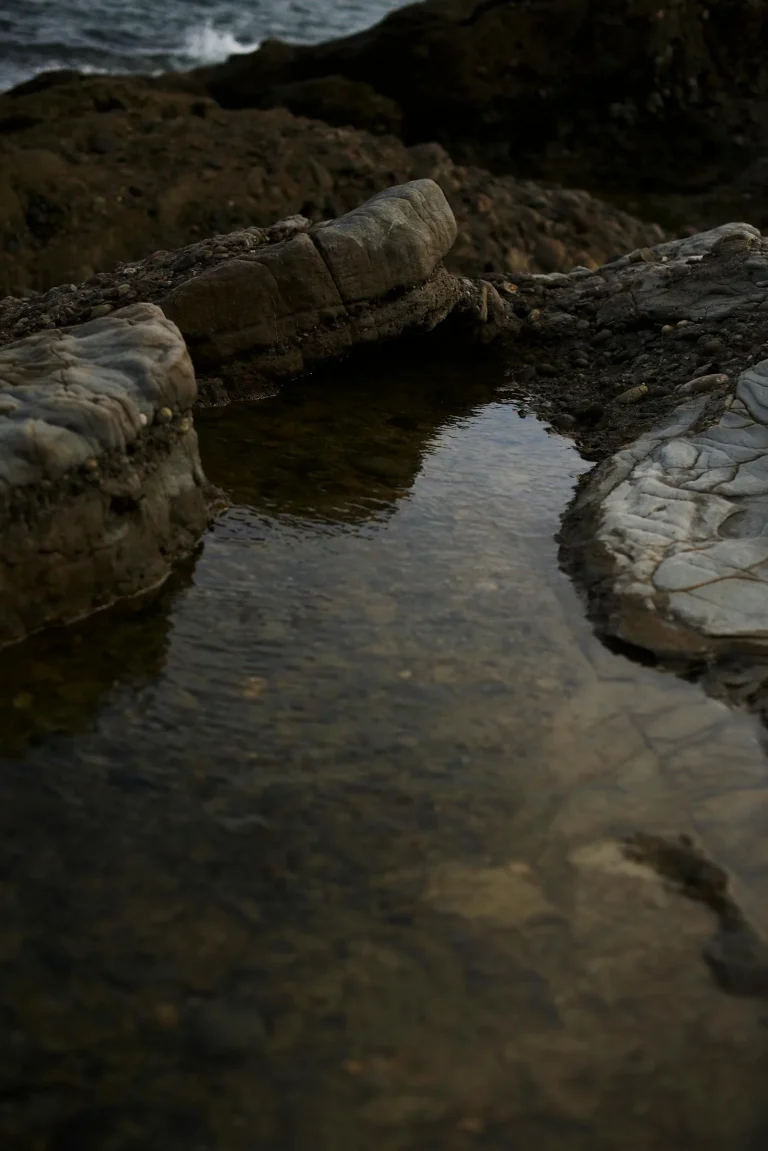
The Marble Pools at Sligachan are one of the most accessible wild swimming locations on the Isle of Skye — a 5-minute walk upstream from Sligachan Bridge, with parking available at the Sligachan Hotel (one of Skye’s most established stopping points on the road between Portree and Kyle of Lochalsh). The pools are named for the distinctive blue-green colour of the water reflecting the sky and the weathered granite and gabbro rock of the Cuillin massif — the same rock type that gives the Fairy Pools their colour. Water temperature averages 6–10°C throughout the year, making a wetsuit strongly advisable for any swim beyond a brief cold-water immersion. The most often cited local legend associated with these pools states that submerging your face in the water without drying it afterwards grants eternal beauty — a story connected to the pools’ association with the Skye folklore tradition of the Shining Folk (fairies). Unlike the Fairy Pools, the Marble Pools at Sligachan do not have a managed car park or formal trail — parking at the hotel and following the informal path upstream is the standard approach. The backdrop of Sgùrr nan Gillean and the Cuillin ridge makes this one of the most dramatic swimming settings on the island.
Best Time to Visit the Fairy Pools, Isle of Skye
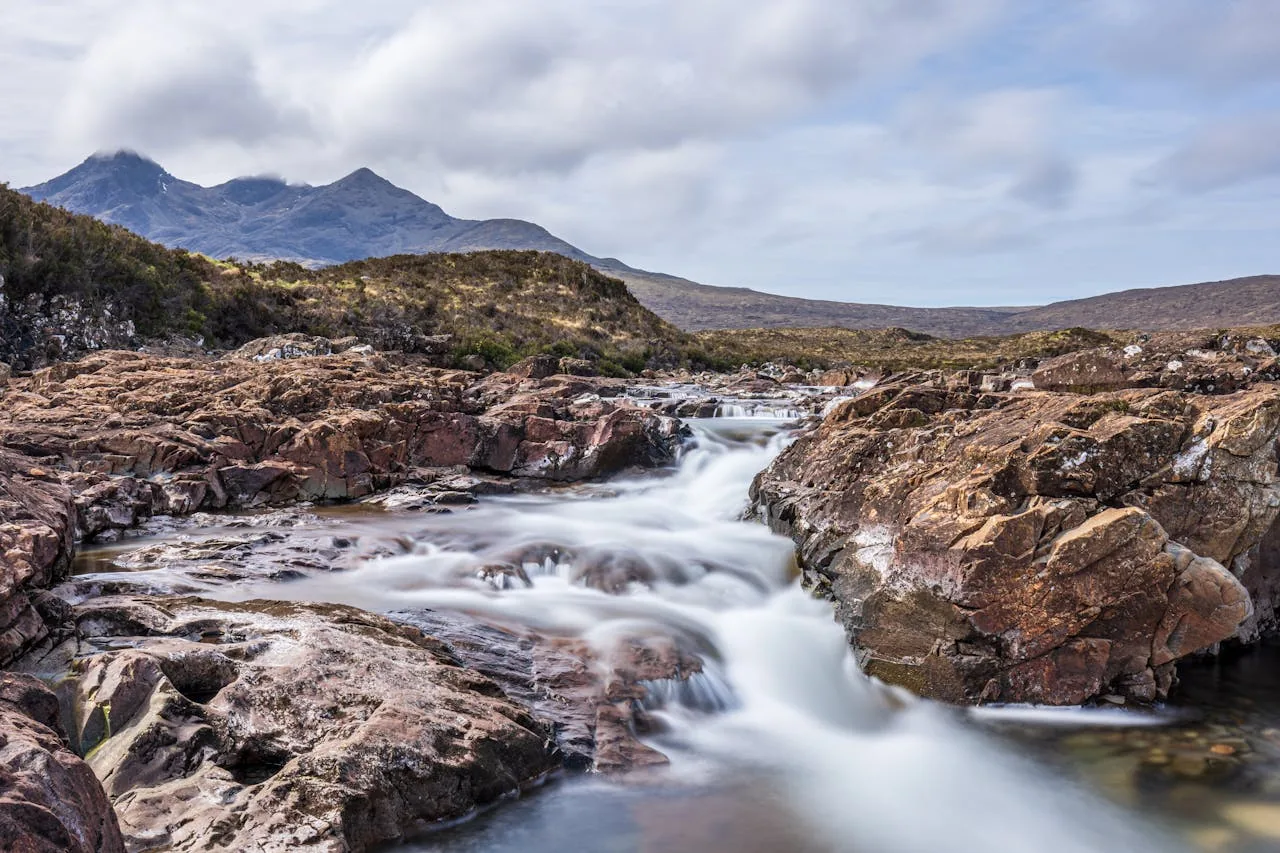
Seasonal timing — when to go and when to avoid
The Fairy Pools at Glen Brittle (postcode IV47 8TA, 1.5 miles walk from the car park) are one of the most visited natural locations in Scotland, receiving approximately 180,000 visitors per year by 2019 according to the Outdoor Access Trust for Scotland. This visitor volume makes timing essential. July and August represent peak season — visitor numbers are highest, the car park fills completely by mid-morning on weekends, and the pools are crowded throughout the day. Photography of the empty pool with mountain backdrop — the iconic image associated with the location — is essentially impossible between 10am and 5pm in midsummer without other visitors in frame. May and June are the optimal months: better weather statistics than early spring, long daylight hours (sunrise around 5am by late May), fewer visitors than peak summer, and pool water still running clear and fast from spring snowmelt. Destination Earth’s Skye wild swimming guide identifies the shoulder seasons of April–May and September–October as the best balance of weather, crowd levels, and photographic conditions. September and October offer autumn light and dramatically reduced crowds; the pools remain accessible but swimming becomes colder. Within any season, arriving before 9am or after 5pm on any day provides substantially better access, emptier pools, and the golden-hour light that produces the turquoise pool colour at its most vivid.
The Fairy Pools from Inverness — distance and approach
For visitors based in Inverness, the Fairy Pools are approximately 115 miles (185 km) from the city centre — a drive of around 2.5 hours via the A9 south, A82 west to Invergarry, then A87 over the Kyle of Lochalsh bridge to Skye and south through the island to Glen Brittle. The route is scenic throughout and passes through Glen Garry, the Kyle of Lochalsh, and the Skye Bridge (no toll). Portree — the island’s main town — is approximately 20 miles (30 minutes) from the Fairy Pools car park. Most visitors from Inverness making a day trip to the Fairy Pools allow 5–6 hours total for driving (5 hours return), with 2–3 hours at the pools. Staying overnight in Portree or at one of the Glen Brittle campsite options is a better approach than a pure day trip if the goal is to catch the pools at optimal light and without crowds. The official Isle of Skye tourism guide to the Fairy Pools provides current access information including car park status and seasonal road conditions on the Glen Brittle access road.
The Fairy Pools Legend and Scotland’s Wild Swimming Rights
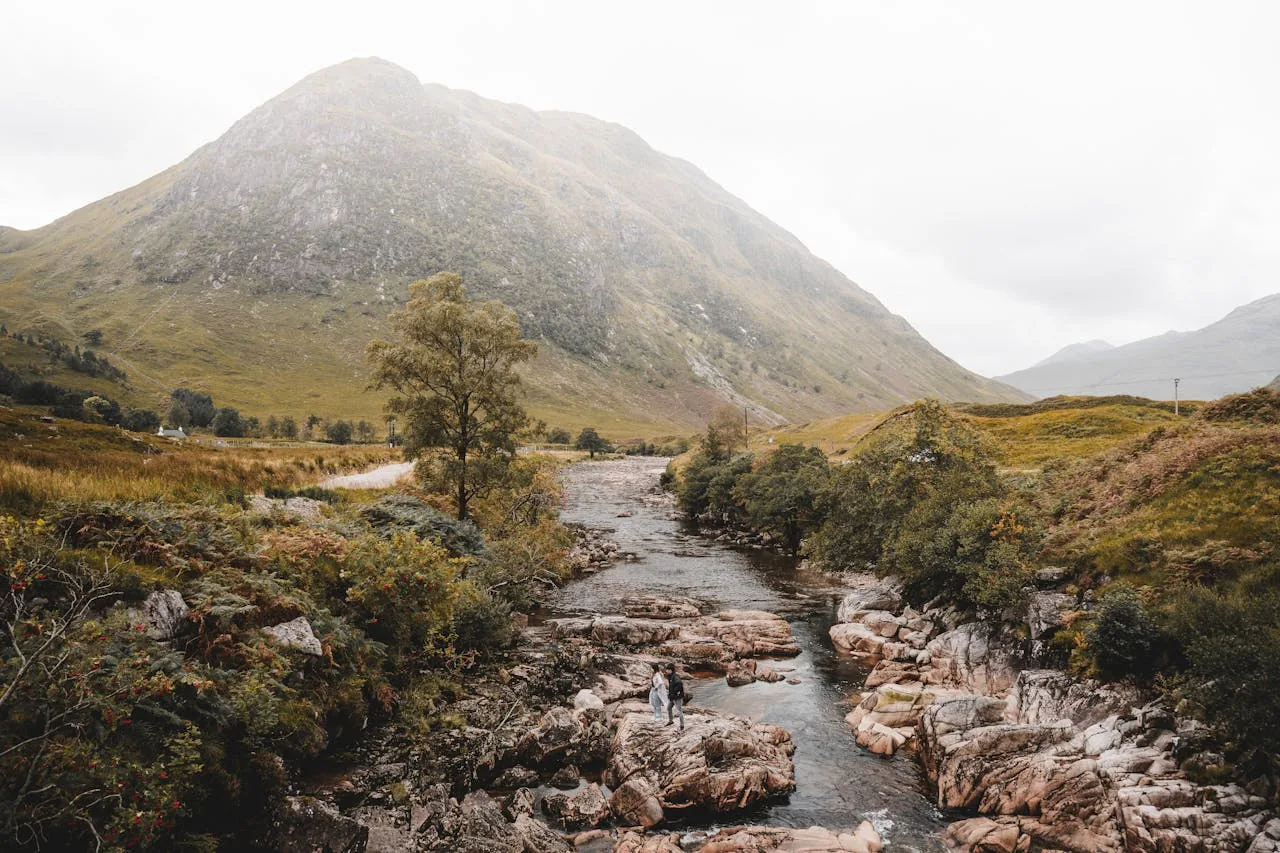
The legend of the Fairy Pools
The name “Fairy Pools” derives from a Clan MacLeod legend set on the Isle of Skye. In the most widely repeated version, a MacLeod chieftain fell in love with and married a bean sidhe (fairy woman) — a princess of the Shining Folk, the fairy court of Skye. The King of the Fairies permitted the marriage for a single year, after which the princess was commanded to return to the fairy realm. According to the Scotsman’s account of Skye fairy folklore, the princess filled the pools with her tears of grief at the separation — explaining the magical blue colour of the water. Other versions of the legend associate the pools with selkies (seal-people of Scottish mythology) said to bathe in the pools under a full moon. Historically, the area at the foot of the Black Cuillin was also the site of the Battle of Coire na Creiche in 1601, a significant conflict between the MacDonalds of Sleat and the MacLeods — the pools are said to have run red with blood on that day. The name “Fairy Pools” itself first appeared in written form in a 1931 guidebook; the stream’s Gaelic name is Allt Coir’ a’ Mhadaidh, meaning “burn of the wolf.”
Scottish Access Land and wild swimming rights
Scotland’s wild swimming access situation is significantly more permissive than England and Wales due to the Land Reform (Scotland) Act 2003, which established a statutory right of responsible access to virtually all land and inland water in Scotland, including rivers, lochs, and coastal areas. This means wild swimming at the Fairy Pools, the Marble Pools at Sligachan, Glen Etive, and almost any other Scottish natural water body is legally permitted, unlike in England and Wales where access rights are more limited. The right of access comes with corresponding responsibilities under the Scottish Outdoor Access Code: no camping within 200 metres of a road or building without prior permission for more than 2–3 nights, leave no trace, respect other users, and be responsible around livestock. For the Fairy Pools specifically, the significant increase in visitor numbers — from approximately 13,000 in 2006 to 180,000 in 2019 — has created pressure on the site’s vegetation, paths, and water quality that makes responsible visitor behaviour essential to preserving the access that the Act provides. Our guide to natural swimming pools in the UK covers the wider wild swimming and natural pool landscape.
Frequently Asked Questions
What is the legend of the Fairy Pools on the Isle of Skye?
The most widely told legend links the Fairy Pools to a Clan MacLeod chieftain who married a fairy princess from the Shining Folk of Skye. The King of the Fairies permitted their marriage for one year only; when forced to return to the fairy realm, the princess filled the pools with her tears of sorrow, accounting for the magical blue colour of the water. The name “Fairy Pools” first appeared in print in a 1931 guidebook. The pools were also near the site of the 1601 Battle of Coire na Creiche between the MacLeods and MacDonalds.
When is the best time to visit the Fairy Pools on the Isle of Skye?
May and June offer the best combination of weather, long daylight hours (sunrise around 5am in late May), and manageable visitor numbers — fewer than peak season but with reliable enough conditions for photography and swimming. July and August see the highest visitor numbers and the car park fills by mid-morning on weekends. Within any season, arriving before 9am or after 5pm gives significantly better access and photography conditions. September and October are excellent for atmosphere and reduced crowds despite colder swimming temperatures. Winter is viable for walking but the Glenbrittle road may ice and the water is too cold for most swimming.
How far are the Fairy Pools from Inverness?
The Fairy Pools car park (IV47 8TA) is approximately 115 miles (185 km) from Inverness city centre — about 2.5 hours driving via the A9, A82, A87, and across the Skye Bridge. A return day trip from Inverness takes approximately 5 hours driving plus time at the pools. Staying overnight in Portree (20 miles from the car park) allows for an early morning arrival at the pools, which is strongly recommended to avoid crowds and catch the best light.
Where are the Marble Pools on the Isle of Skye?
The Marble Pools are located at Sligachan — approximately 5 minutes walk upstream from Sligachan Bridge, with parking available at the Sligachan Hotel. Sligachan is at the junction of the A87 and A863 roads, making it one of the most accessible wild swimming spots on the island — it sits between Portree and Kyle of Lochalsh and is easily reached from either direction. The pools have a local legend that washing your face in the water without drying it grants eternal beauty. Water temperature is 6–10°C.