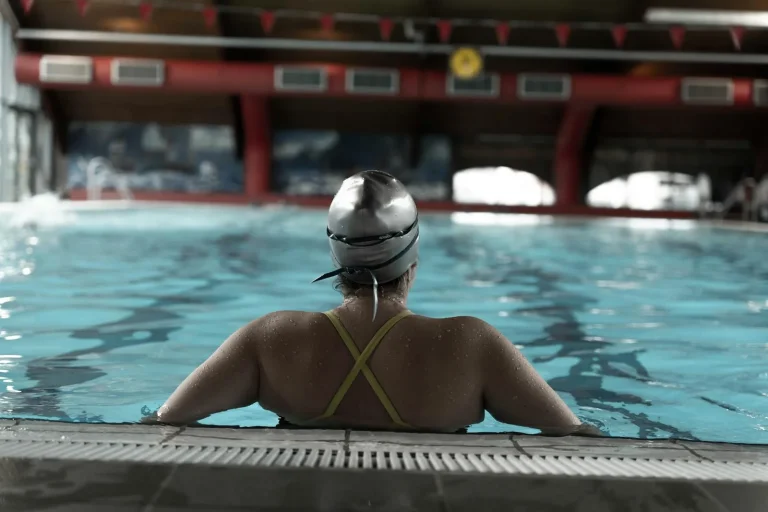
A well-maintained swimming pool is unlikely to directly cause a urinary tract infection. But certain swimming habits — particularly staying in a wet swimsuit for too long — do create conditions where UTI-causing bacteria can thrive. This article explains what the medical evidence says about pools and UTI risk, and what you can do to reduce that risk.
- A properly chlorinated pool (1–3 ppm) kills most UTI-causing bacteria, including E. coli
- The main risk factor is not pool water itself, but remaining in a wet swimsuit after swimming
- Women have a higher risk due to a shorter urethra, making it easier for bacteria to reach the bladder
- If you already have a UTI, NHS guidance advises avoiding swimming until the infection has cleared
Can You Get a UTI from a Swimming Pool?

What the evidence says
Swimming pools are not a common source of urinary tract infections. Research published in the Journal of Pediatric Urology found no significant difference in UTI rates between children who swam regularly in chlorinated pools and those who did not. The reason is straightforward: properly maintained pool water contains chlorine at levels (typically 1–3 parts per million) that kill the bacteria most commonly responsible for UTIs, including Escherichia coli, the cause of around 80–85% of all UTIs according to NHS data.
That said, swimming in a pool that is poorly maintained, overcrowded, or contaminated can increase exposure to pathogens. Chlorine’s disinfecting capacity is reduced by body oils, sweat, sunscreen, and other products introduced by swimmers. In these conditions, bacterial levels can rise to levels where infection risk increases.
How bacteria reach the urinary tract
A UTI occurs when bacteria travel up the urethra into the bladder. In the context of swimming, there are two main routes this can happen. First, contaminated pool water can introduce bacteria directly at the urethra opening. Second — and more commonly — bacteria already on the skin around the genital area can proliferate in the warm, moist environment created by a wet swimsuit and migrate toward the urethra over time.
The second route is why long periods in wet swimwear after swimming, even outside the pool, are a more consistent risk factor than the pool water itself.
Who is most at risk
Women are significantly more susceptible than men due to the shorter length of the female urethra, which makes it easier for bacteria to reach the bladder. Women who are post-menopausal face additional risk because hormonal changes affect the protective mucous membranes of the urinary tract. People who have had previous UTIs, those with diabetes, and anyone with a weakened immune system are also at higher risk when swimming in conditions that introduce bacterial exposure.
How Swimming Can Increase UTI Risk

Wet swimwear: the primary concern
Sitting or staying active in a wet, tight-fitting swimsuit after swimming creates a warm, damp microenvironment against the skin. This is an ideal condition for bacterial growth. The friction of tight swimwear against the urethra can also introduce bacteria that would otherwise remain on the skin surface. This is the most consistently cited mechanism for pool-related UTIs in medical literature and is not unique to pools — it can happen after any prolonged exposure to damp, close-fitting clothing.
The practical implication is simple: the risk is not in the pool itself but in the transition from pool to changing room. Changing into dry clothing quickly and showering as soon as possible after swimming address this risk directly.
Pool water quality and contamination
Chlorine levels in public pools in the UK are regulated and typically sufficient to control bacterial contamination. However, chlorine reacts with organic matter brought in by swimmers — urine, sweat, body oils, and hair products — forming chloramines and other compounds that reduce the pool’s disinfecting power. In heavily used public pools, particularly during peak times, residual bacterial levels can be higher than in private or less-used pools.
The UK Health Security Agency publishes guidance on pool water quality standards. A pool that looks clean can still have compromised chlorination if the chemical balance is poorly managed. Signs of a poorly maintained pool include a strong chlorine smell (which actually indicates high chloramine levels, not clean water), cloudy water, or visible organic debris.
Specific activities that increase risk
Diving, vigorous underwater swimming, and activities that involve prolonged submersion of the pelvic region can increase the amount of pool water that comes into contact with the urethral opening. Hot tubs and spa pools carry higher risk than standard swimming pools because higher water temperatures accelerate bacterial growth and the disinfectant demand is greater in a smaller volume of water.
How to Prevent a UTI When Swimming

Immediately after swimming
The most effective step is to change out of a wet swimsuit as soon as possible after leaving the water and shower before changing into dry clothes. This removes pool chemicals, skin bacteria, and any contaminating organisms introduced during swimming. Urinating promptly after swimming also helps flush out bacteria that may have entered the lower urinary tract during the swim. These steps together significantly reduce UTI risk and are recommended by urologists for anyone who swims regularly.
Before and during swimming
Rinsing with fresh water before entering the pool reduces the organic load you introduce to the water, which helps maintain chlorine effectiveness. Staying well-hydrated during swimming sessions keeps urine output regular, which reduces the time bacteria have to adhere to the bladder wall before being flushed out. Avoiding prolonged time in hot tubs, particularly those with shared, high-use water, reduces exposure to conditions where disinfection is more challenging.
Swimwear choices and hygiene
Looser, less abrasive swimwear causes less friction against the urethra and reduces the mechanical introduction of surface bacteria. Synthetic swimwear fabrics dry faster than cotton, which limits the post-swim window during which damp conditions promote bacterial growth. Washing swimwear thoroughly after each use prevents bacterial build-up in the fabric itself.
If you swim frequently and have a history of recurrent UTIs, it is worth discussing this pattern with a GP, as preventive antibiotic options exist for people with three or more UTIs per year. Keeping a diary of when UTIs occur in relation to swimming sessions can help identify whether the two are linked in your specific case.
For those looking for pool types less likely to use chlorine, our guide to natural swimming pools in the UK covers alternatives including biological filtration pools. If you’re researching outdoor swimming venues, see our guide to outdoor pools and lidos near you.
Frequently Asked Questions
Can you get a UTI from swimming in a pool?
It is possible but unlikely in a properly maintained pool. Chlorinated pool water at 1–3 ppm kills most UTI-causing bacteria. The more common cause is staying in a wet swimsuit after swimming, which creates warm, moist conditions that promote bacterial growth near the urethra. Changing quickly and showering after swimming significantly reduces the risk.
Should you swim if you have a UTI?
It is generally advisable to avoid swimming with an active UTI. Chlorine can irritate an already inflamed urinary tract, and pool chemicals may cause discomfort. There is also a small risk of spreading infection, particularly in shared water environments like hot tubs. Wait until you have completed a course of antibiotics and symptoms have cleared before returning to the pool.
Does chlorine kill UTI-causing bacteria?
Yes — chlorine at standard pool concentrations (1–3 ppm) is effective against E. coli and most other bacteria that commonly cause UTIs. However, chlorine’s effectiveness decreases in the presence of heavy organic matter (sweat, oils, urine). A pool with a strong chemical smell, cloudy water, or visible contamination may not be adequately disinfected.
Why do some women get UTIs after swimming?
Women are anatomically more prone to UTIs because the female urethra is shorter than the male urethra, making it easier for bacteria to reach the bladder. After swimming, tight wet swimwear creates an environment where skin bacteria can migrate toward the urethra. Urinating immediately after swimming, showering, and changing into dry clothing are the most effective preventive steps.
Are hot tubs more likely to cause UTIs than swimming pools?
Yes — hot tubs carry higher risk than standard swimming pools. The higher water temperature accelerates bacterial growth and increases chlorine demand in a small volume of water. Hot tubs are harder to maintain at consistently safe chlorine levels than large swimming pools. If you are susceptible to UTIs, limiting time in shared hot tubs is advisable.