Brine pools are naturally occurring pools of hypersaline water that form in depressions on the deep ocean floor. Three to eight times saltier than normal seawater, they are so dense that they do not mix with the water above them — creating a visible “lake within the sea” with its own shoreline, waves and surface. They are among the most extreme environments on the planet: completely anoxic, lethal to most animals that enter them, yet supporting unique ecosystems of extremophile organisms at their edges. Unlike the tide pools found on rocky shores, brine pools are entirely inaccessible to humans and discoverable only by deep-sea submersible. Brine pools are found in only three regions of the world: the Gulf of Mexico, the Mediterranean Sea and the Red Sea, with a major complex discovered in the Gulf of Aqaba in 2020.
- Brine pools are 3–8 times saltier than normal seawater and completely anoxic — organisms that enter are stunned within seconds and rapidly killed by a combination of hypersalinity, oxygen deprivation and toxic shock.
- The Orca Basin in the Gulf of Mexico covers approximately 120 km² and is one of the best-studied brine pools. The NEOM brine pools discovered in 2020 in the Gulf of Aqaba lie at 1,770 m depth.
- Formation occurs through three mechanisms: dissolution of ancient salt deposits (salt tectonics), geothermal heating at mid-ocean ridges, and brine rejection during sea-ice formation.
- Despite their lethality, brine pool margins host extremophile communities: chemosynthetic bacteria, halophilic archaea, seep mussels with bacterial symbionts, and specialist bristle worms.
What Are Brine Pools and How Do They Form?
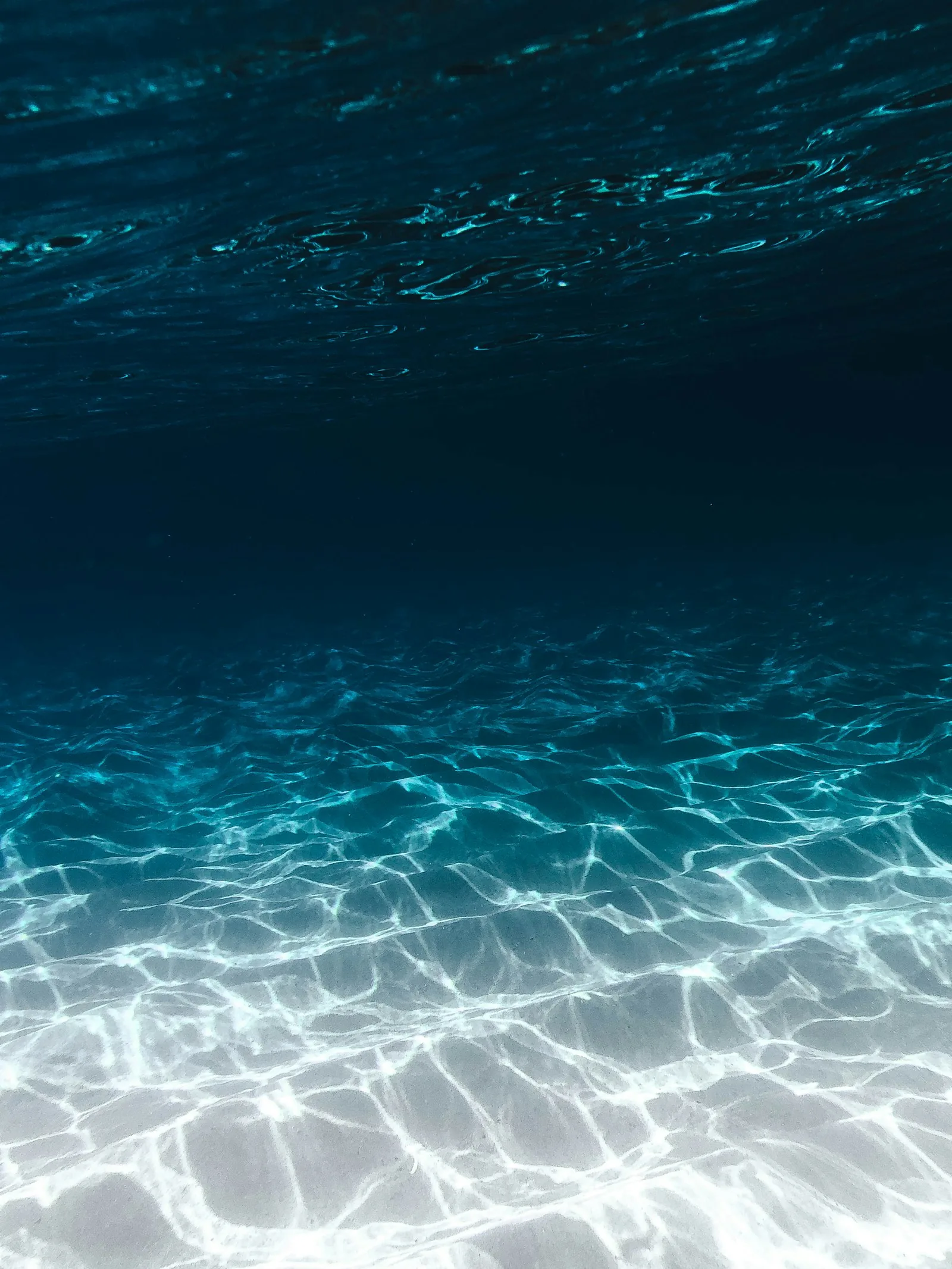
A brine pool is a volume of brine — water with an extremely high dissolved salt content — that has accumulated in a seafloor depression and, because of its density, remains separated from the less-dense seawater above it. The interface between the brine and the overlying seawater is sharp enough to be visible as a distinct surface, giving brine pools their characteristic appearance as an “underwater lake.” This interface is called the chemocline, and it separates the anoxic brine below from the oxygenated water above.
Salt Tectonics: The Primary Formation Mechanism
The most common formation mechanism is salt tectonics. During the Jurassic period, large shallow seas evaporated and left behind thick deposits of salt and evaporite minerals — in the Gulf of Mexico, these deposits are estimated to be up to 8 kilometres thick. Over millions of years, the salt deposits became buried under sediment. Where tectonic forces or erosion expose these deposits to circulating groundwater, the salt dissolves into solution and the resulting dense brine seeps into low-lying depressions on the ocean floor, pooling in basins and trenches. The Gulf of Mexico’s Orca Basin — covering approximately 120 km² — is the largest known brine pool and formed by this mechanism.
Geothermal Heating in the Red Sea
In the Red Sea, brine pools form differently. The Red Sea occupies an active tectonic spreading centre where the African and Arabian plates are diverging. Seawater seeps into fractures in the seabed, dissolves salt deposits laid down during the Miocene epoch (23–5.3 million years ago), is superheated by geothermal activity, and then rises to the seafloor, where it cools and settles as brine pools. The Red Sea contains the highest known concentration of brine pools, including named pools such as the Atlantis II Deep, Kebrit Deep, Kryos, Conrad and Shaban. In 2020, the research vessel OceanXplorer discovered a new complex — the NEOM brine pools — in the Gulf of Aqaba at a depth of 1,770 metres, comprising one pool of approximately 10,000 m² and three smaller satellite pools. This was the first brine pool complex documented outside the Red Sea proper.
What Makes Them Deadly
Brine pool water is typically three to eight times saltier than normal seawater. Because salt concentration determines water density, brine sinks and stays at the bottom, creating a stable, unmixed layer. This stability means the brine is completely anoxic — no dissolved oxygen — and contains elevated concentrations of methane, hydrogen sulphide and heavy metals. Any aerobic organism that enters the pool experiences immediate osmotic shock (cells lose water rapidly due to the salinity gradient) and cerebral hypoxia from the lack of oxygen. Fish, crabs and shrimps that venture across the chemocline are stunned within seconds; the brine preserves and “pickles” their bodies rather than decomposing them, so the pool edges often accumulate preserved carcasses. Research has documented hagfish, eels and sharks venturing close to pool margins and retreating.
Brine Pool Ecosystems: Extremophile Life at the Edge
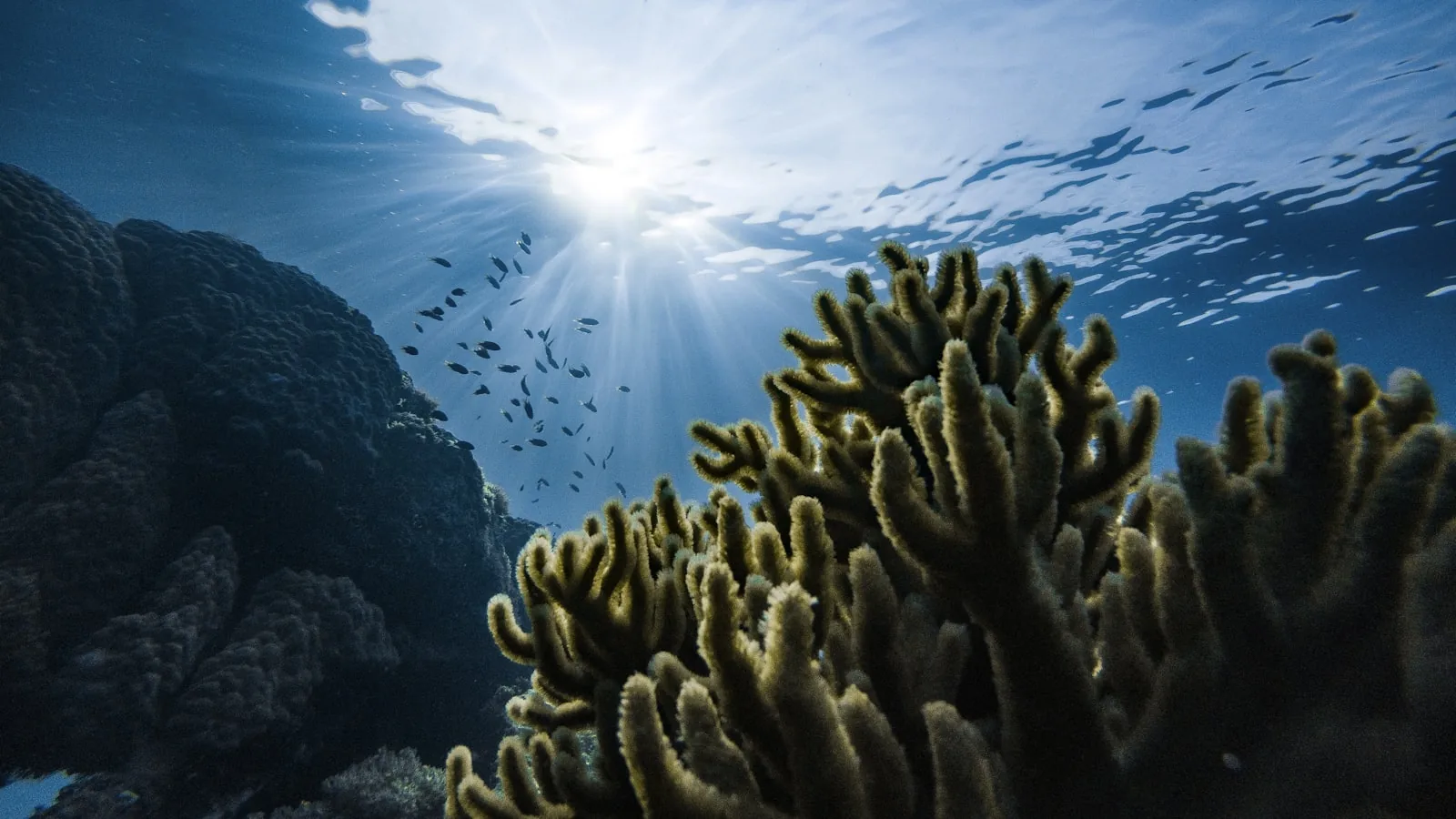
Despite their lethality to most organisms, brine pools are not dead environments. Their edges support some of the most specialised ecosystems on Earth, sustained not by photosynthesis but by chemosynthesis — the use of chemical energy from hydrogen sulphide, methane and other compounds seeping from the brine or the surrounding sediment.
Seep Mussels and Bacterial Symbionts
Seep mussels (Bathymodiolus spp.) form dense beds at the chemocline and along the pool margins. Unlike coastal mussels, they obtain their nutrition not by filter-feeding but through chemosynthetic bacterial symbionts hosted within their gill tissue. These bacteria oxidise methane or hydrogen sulphide from the brine pool, fixing carbon as organic matter that nourishes the mussel host. Beds of seep mussels can form dense carpets metres wide around pool margins. Associated fauna include polychaete bristle worms, amphipod crustaceans and specialist snails.
Halophilic Archaea and Microbial Communities
Within the brine itself, only extremely salt-tolerant (halophilic) microorganisms can survive — primarily archaea rather than bacteria. These halophilic archaea are classified as extreme halophiles, requiring salinity levels many times that of seawater to grow, and they form the base of the brine’s internal microbial food web. Methanogenic archaea (methane-producing organisms) are also present and contribute to the methane flux from brine pools. Deep-sea brine pools in the Mediterranean, such as the Atalante and Discovery basins, have been studied extensively as analogues for potential life in the hypersaline oceans proposed to exist beneath the icy shells of moons like Europa.
Brine Pools as Climate Archives
Beyond their biology, brine pools serve as exceptional sediment archives. Because brine pools do not mix with overlying water, sediments accumulate undisturbed in their interiors over centuries and millennia. Scientists can core beneath brine pools and recover layered records of regional climate history: tsunami deposits, evidence of major storms and floods, records of seismic activity and shifts in deep-water circulation. The NEOM brine pools in the Gulf of Aqaba preserve a stratigraphic record spanning at least 1,200 years of regional environmental history.
| Brine Pool | Location | Depth | Notable Feature |
|---|---|---|---|
| Orca Basin | Gulf of Mexico | ~2,400 m | Largest known brine pool, ~120 km² |
| Atlantis II Deep | Red Sea | ~2,200 m | Hottest known brine pool (60°C+) |
| NEOM pools | Gulf of Aqaba, Red Sea | 1,770 m | Discovered 2020; 1,200-year sediment record |
| L’Atalante | Eastern Mediterranean | ~3,500 m | Studied for extremophile archaea; proposed as Europa analogue |
| Discovery Basin | Eastern Mediterranean | ~3,600 m | Highest MgCl₂ concentration of any known brine pool |
Frequently Asked Questions
What is a brine pool?
A brine pool is a large body of hypersaline water that forms in a depression on the deep ocean floor. It is 3–8 times saltier than normal seawater, which makes it so dense that it does not mix with the overlying ocean water. This creates a visible “lake within the sea” with its own distinct surface (chemocline), waves and shoreline. Brine pools are completely anoxic and lethal to most marine organisms that enter them.
Where are brine pools found?
Brine pools are found in three main regions: the Gulf of Mexico, the Mediterranean Sea and the Red Sea. The Red Sea contains the highest density of known brine pools, including the Atlantis II Deep, Kebrit and Kryos basins. The Orca Basin in the Gulf of Mexico is the largest known, covering approximately 120 km². In 2020, a new complex — the NEOM brine pools — was discovered at 1,770 m depth in the Gulf of Aqaba, at the northern end of the Red Sea.
Can anything survive in a brine pool?
Most marine animals that enter a brine pool are killed within seconds by a combination of osmotic shock (extreme salinity) and anoxia (no dissolved oxygen). However, the margins of brine pools support specialised ecosystems of extremophile organisms that tolerate the chemical gradient: seep mussels with chemosynthetic bacterial symbionts, polychaete bristle worms, amphipods, and specialist snails. Inside the brine itself, only halophilic archaea and other extreme microorganisms can survive.
How do brine pools form?
Brine pools form through three main processes: (1) salt tectonics — ancient salt deposits (e.g., Jurassic-era deposits in the Gulf of Mexico, up to 8 km thick) are exposed to groundwater, dissolve and the resulting brine pools in seafloor depressions; (2) geothermal heating — in the Red Sea, seawater seeps into tectonic fractures, dissolves Miocene salt deposits, is superheated and rises to the seafloor as brine; (3) brine rejection — when sea ice forms, salt is expelled, creating cold dense brine that sinks and accumulates.
Why are brine pools called “lakes within the sea”?
Brine pools are called lakes within the sea because the boundary between the dense hypersaline brine and the less-dense overlying seawater is sharp and visible — it acts like a water surface. Submersibles that approach the pool can observe waves on the brine surface, a visible shoreline and even currents within the brine layer. Unlike the surrounding ocean floor, the pool appears as a separate body of standing water. This interface is called the chemocline.
What are brine pools used for scientifically?
Brine pools are valuable for several scientific purposes: (1) as climate and geological archives — sediments that accumulate undisturbed within brine pools preserve thousands of years of regional environmental history, including tsunami and flood events; (2) as extremophile research environments — the organisms living at pool margins provide models for life in extreme conditions, including analogues for proposed hypersaline oceans on Jupiter’s moon Europa; (3) as natural laboratories for studying chemosynthesis and deep-sea carbon cycling.