The two most searched “blue pools” in the UK are The Blue Pool at Furzebrook in Dorset — a former ball clay pit now a nature reserve — and the Blue Lagoon at Harpur Hill near Buxton in Derbyshire — a disused limestone quarry whose vivid turquoise water is toxic and unsafe to enter. Both draw visitors because of their striking appearance, but they represent very different experiences: the Dorset site is a managed nature reserve open to the public with tearooms and wheelchair access, while the Buxton lagoon is an unmanaged quarry on private land where swimming has repeatedly been deterred by authorities. Neither is safe for swimming.
- The Blue Pool near Wareham, Dorset is a disused Purbeck ball clay pit within a 25-acre nature reserve. Open to visitors daily 09:30–17:00; adults £5, children £2.50. Designated a Site of Special Scientific Interest in 1985. Swimming is not permitted — depth reaches 30 feet.
- The Blue Lagoon at Harpur Hill, Buxton is a disused limestone quarry whose water has a pH equivalent to bleach due to calcium oxide residue. High Peak Borough Council dyed the water black in 2013, 2016 and 2020 to deter swimmers. There are no public footpaths to the site.
- The Blue Pool’s colour varies between turquoise, green, grey and reddish-brown depending on how clay particles suspended in the water diffract light — it is not always blue.
- Harpur Hill Quarry was used as the UK’s largest RAF chemical weapons storage depot during the Second World War before it was flooded and became the Blue Lagoon.
The Blue Pool, Dorset: Nature Reserve at Furzebrook
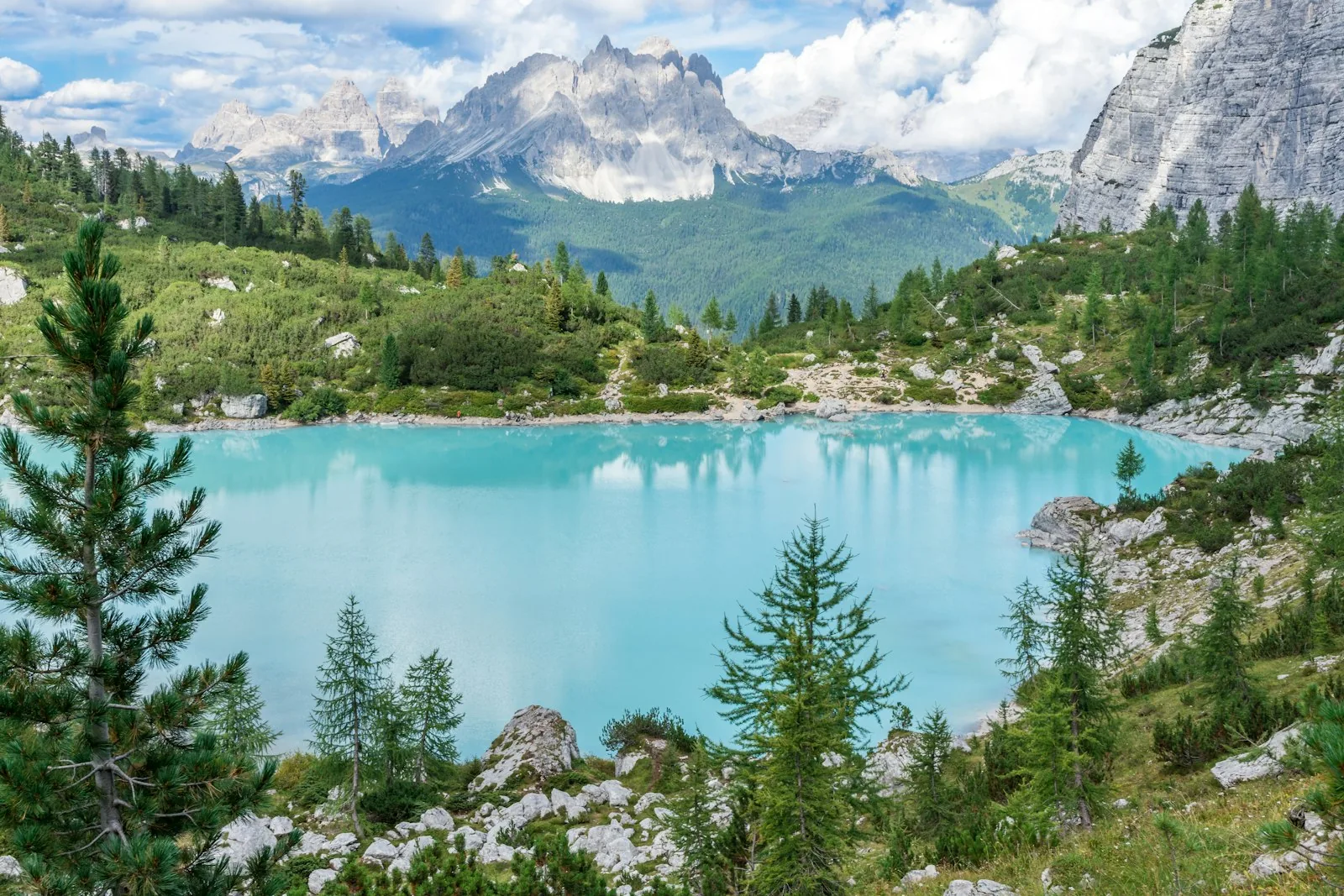
The Blue Pool is a former ball clay pit near Furzebrook on the Isle of Purbeck, approximately 3 miles south of Wareham and 2 miles west of Corfe Castle in Dorset. The pit was originally worked as a chalk quarry in the early 17th century before Purbeck ball clay extraction began in the mid-17th century and continued until the early 20th century. After the clay works were abandoned before the First World War, the pit flooded naturally and gradually became the distinctive lake that exists today.
Why It Is Blue
The pool’s colour is not fixed — it changes from turquoise blue to green, grey and occasionally reddish-brown depending on conditions. The variation is caused by the colloidal suspension of clay particles, which diffract light differently depending on particle size, water temperature and the angle of sunlight. The pool reaches depths of 30 feet (9 metres) and is not safe for swimming — the clay suspension means visibility is low and the depth is significant. Swimming and paddling are prohibited.
The Nature Reserve
The Blue Pool sits within a 25-acre estate (part of the wider 300-acre Furzebrook Estate) that was designated a Site of Special Scientific Interest in 1985 for its rare heathland and acid bog habitats. The reserve supports sand lizards, smooth snakes, Dartford warblers, nightjars and Sika deer, as well as rare plants including Dorset heath and marsh gentian, managed in part by the Amphibian and Reptile Conservation Trust. Visitors looking for natural swimming at other UK sites may find tidal pools and sea pools along the coast more accessible for bathing. Visitors can walk woodland paths, cross the UK’s longest rope bridge, and use the Art Deco tearooms, which opened in 1935 — the same year the site was first opened to the public.
Opening hours are daily 09:30–17:00 (last entry 16:00; tearooms close 16:30). Admission: Adult £5, Children (5–18) £2.50, under 5s free. Free parking is available on site, including three accessible Blue Badge spaces.
The Blue Lagoon, Buxton: The Toxic Quarry Pool
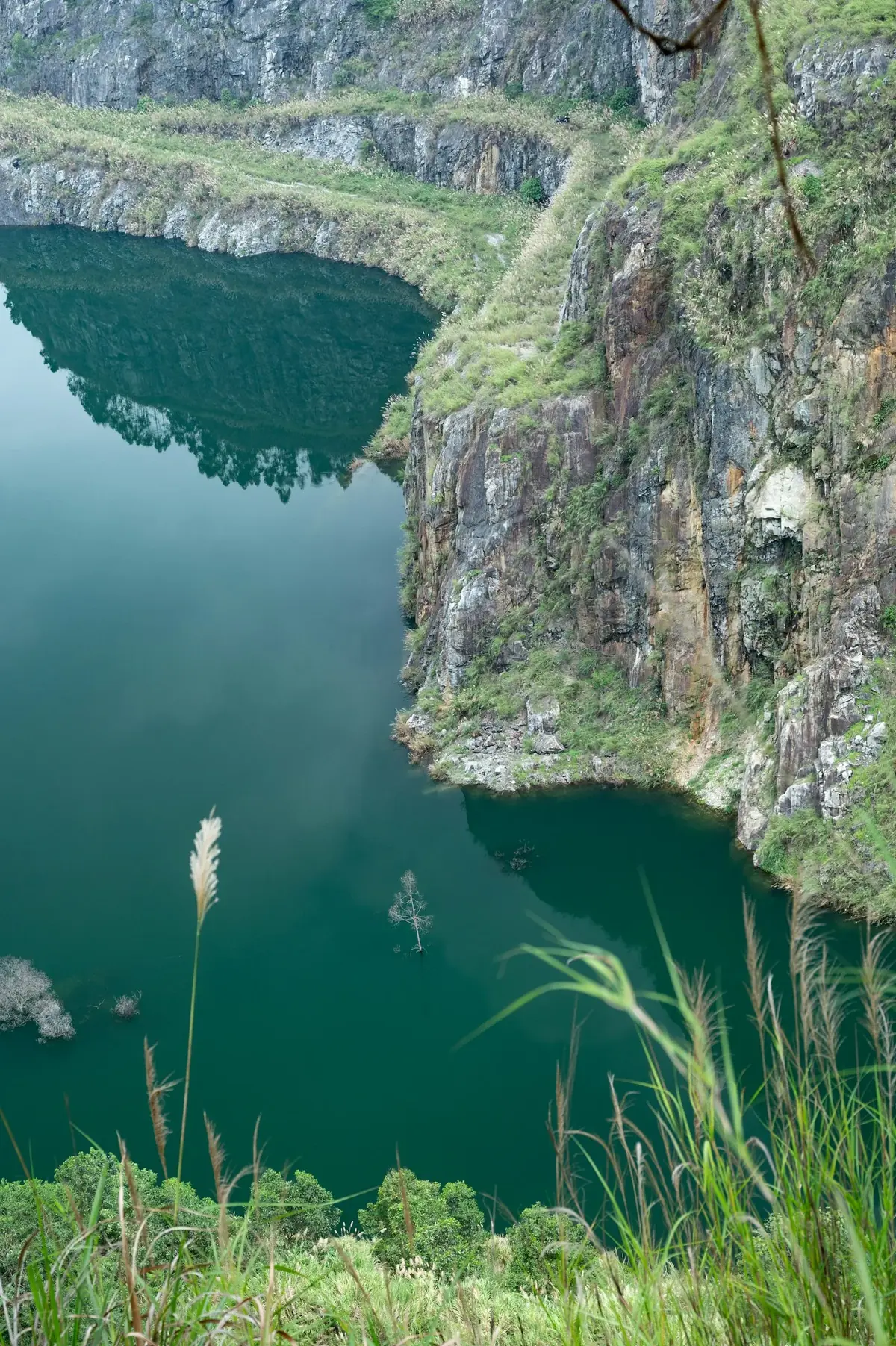
Harpur Hill Quarry (commonly called the Blue Lagoon) is a disused limestone quarry on Harpur Hill, south of Buxton in Derbyshire. Limestone was extracted from the site between 1835 and 1952 for lime burning to produce quicklime. During the Second World War, the site was used as RAF Harpur Hill — the UK’s largest chemical weapons storage depot. After quarrying ended and the site flooded, it became known informally as the Blue Lagoon because of its vivid turquoise-blue water.
Why It Is Dangerous
The striking blue colour comes from finely dispersed calcium oxide particles — residue from the limestone quarrying process. These particles raise the water’s pH to a level equivalent to bleach, capable of causing severe skin and eye irritation, burns and illness. The water also contains dissolved minerals and historic industrial contamination from the quarry’s long operational and military history. Despite its photogenic appearance, the Derbyshire Fire and Rescue Service and High Peak Borough Council have consistently warned against visiting and swimming.
Deterrent Measures and Access
High Peak Borough Council dyed the water black on three separate occasions — in 2013, 2016 and 2020 — specifically to deter swimmers by destroying the pool’s visual appeal. The site is on private land with no public footpaths leading to the lagoon; access requires leaving designated paths and may constitute trespass. Signs warning of the dangers are posted around the quarry. The pool continues to attract visitors drawn by social media photographs, despite the well-documented risks.
| Pool | Location | Origin | Why Blue | Safe to Visit? |
|---|---|---|---|---|
| The Blue Pool, Dorset | Furzebrook, Wareham, Dorset | Disused ball clay pit (17th–20th C) | Colloidal clay particles diffracting light | Yes — managed nature reserve, no swimming |
| Blue Lagoon, Buxton | Harpur Hill, Buxton, Derbyshire | Disused limestone quarry (1835–1952) | Calcium oxide residue (pH = bleach) | No — private land, toxic water, no public access |
Frequently Asked Questions
What is the Blue Pool in Dorset?
The Blue Pool is a former Purbeck ball clay pit at Furzebrook, 3 miles south of Wareham on the Isle of Purbeck in Dorset. It is now a managed nature reserve and SSSI open to the public daily 09:30–17:00 (adult £5, children £2.50). The pool’s colour varies from turquoise blue to green and grey depending on how suspended clay particles diffract the light. Swimming is not permitted; the pool is 30 feet deep.
Can you swim at the Blue Pool Dorset?
No — swimming and paddling are not permitted at the Blue Pool in Dorset. The pool is 30 feet deep and the suspended clay particles make it unsafe for bathing. The site is a managed nature reserve and SSSI; visitors can walk the woodland trails, cross the rope bridge and use the tearooms, but must not enter the water.
Why is the Blue Lagoon in Buxton dangerous?
The Blue Lagoon at Harpur Hill near Buxton is dangerous because its water has a pH equivalent to bleach, caused by calcium oxide residue from historic limestone quarrying. The water can cause severe skin and eye burns, and the site contains other industrial contamination. High Peak Borough Council dyed the water black in 2013, 2016 and 2020 to deter swimming. The site is on private land with no public footpaths.
Where is the Blue Lagoon in Derbyshire?
The Blue Lagoon is at Harpur Hill Quarry, south of Buxton in Derbyshire — in the Peak District. Limestone was quarried there from 1835 to 1952, and the site was used as the UK’s largest RAF chemical weapons depot during the Second World War. It is on private land with no designated public access and should not be visited for swimming.
Why does the Blue Pool change colour?
The Blue Pool at Furzebrook, Dorset changes colour — from turquoise blue to green, grey and reddish-brown — because of colloidal clay particles suspended in the water. These particles diffract light differently depending on their size, the angle of sunlight and water temperature. Photographs taken in different conditions can show radically different colours from the same pool.
Is the Blue Pool Dorset worth visiting?
The Blue Pool is worth visiting for the nature reserve setting, woodland walks, rope bridge and tearooms as much as for the pool itself. For natural pools where swimming is permitted in Scotland, see our guide to the Fairy Pools and Luss wild swimming. The colour varies and is not always blue, but the 25-acre heathland estate supports rare wildlife (sand lizards, smooth snakes, Dartford warblers) and is a designated SSSI. Entry is £5 for adults, £2.50 for children. It is 3 miles from Wareham and a practical day trip from Bournemouth or Dorchester.