The Teifi Pools are a group of six high-altitude lakes in the Cambrian Mountains of Ceredigion, Wales — the source of the River Teifi, one of the longest rivers entirely in Wales. Sitting at around 1,400 feet (430 metres) above sea level, they occupy remote upland moorland with no facilities, no visitor centre and no permanent habitation for miles. The pools attract walkers, fly fishers, wild swimmers and those drawn to the darkness — the site is a designated Dark Sky Discovery location. This guide covers what the six lakes look like, what you can do there, how to get there and what to expect.
- The Teifi Pools comprise six lakes: Llyn Teifi (largest, the river’s source), Llyn Egnant (deepest), Llyn Hir, Llyn y Gorlan, Llyn Bach and Llyn Pond Gwaith — three are Welsh Water reservoirs, three are natural lakes.
- Wild swimming is officially discouraged in the reservoir lakes (Welsh Water signage); the non-reservoir lakes have no formal prohibition but offer no facilities and cold water year-round.
- Fishing is available by day ticket from Tregaron Angling Association on Llyn Teifi, Llyn Hir and Llyn Egnant — fly fishing, spinning, bait fishing and float tubing all permitted.
- Access: B4343 north of Pontrhydfendigaid, postcode SY25 6BT. Narrow single-track road; impassable in winter. A 2.5-mile loop covers all six lakes.
The Six Lakes: What Teifi Pools Looks Like
Landscape, Elevation and Setting
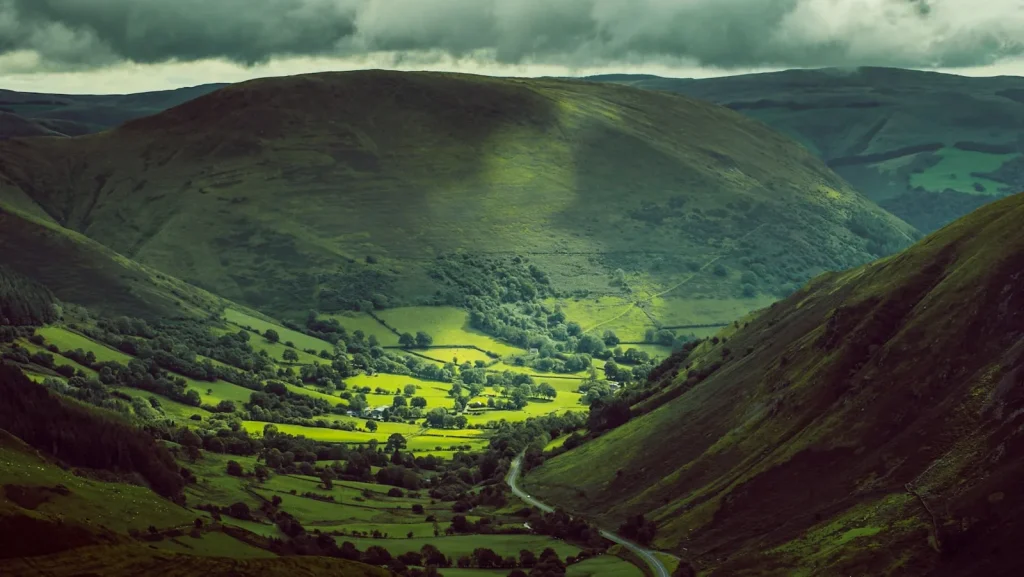
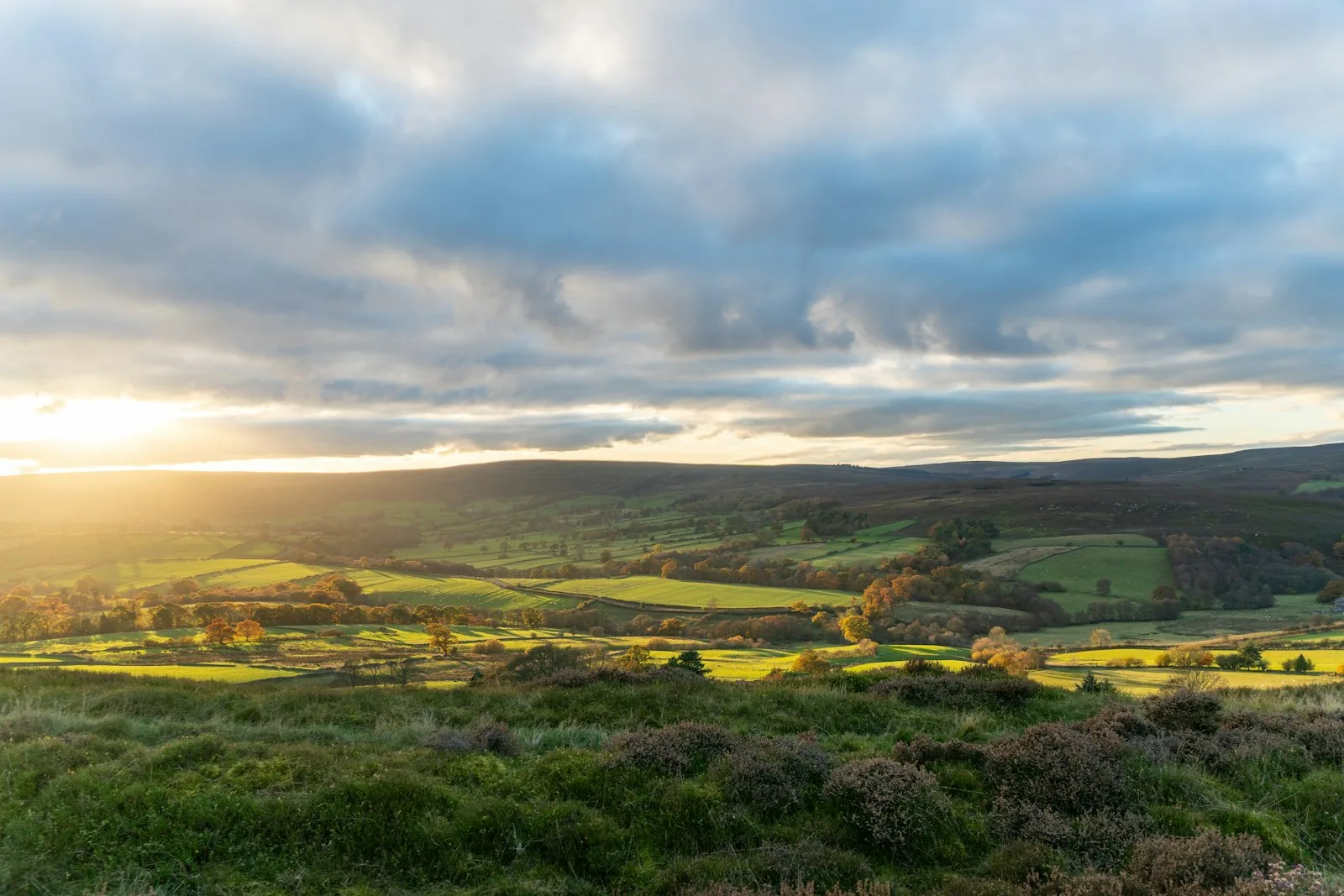
The Teifi Pools sit within the western edge of the Cambrian Mountains, the extensive upland plateau that forms the spine of mid-Wales. The landscape is described as undulating, treeless moorland — low grassy ridges and mounds with occasional rocky outcrops, no prominent peaks, and a quality of total remoteness rarely found in Wales south of Snowdonia. The area is also a Dark Sky Discovery Site, meaning light pollution is low enough for clear Milky Way visibility on dark nights. The moorland terrain is typical of the Cambrian uplands: coarse grasses, bog sections, sundews and sedges, with the pools sitting in shallow depressions in the plateau. At 1,400 feet, temperatures on the plateau are noticeably cooler than in the valleys below, and the exposed, windswept character of the site should be factored into visit planning — warm layers and waterproof boots are necessary even in summer.
The Six Lakes: Names, Sizes and Character
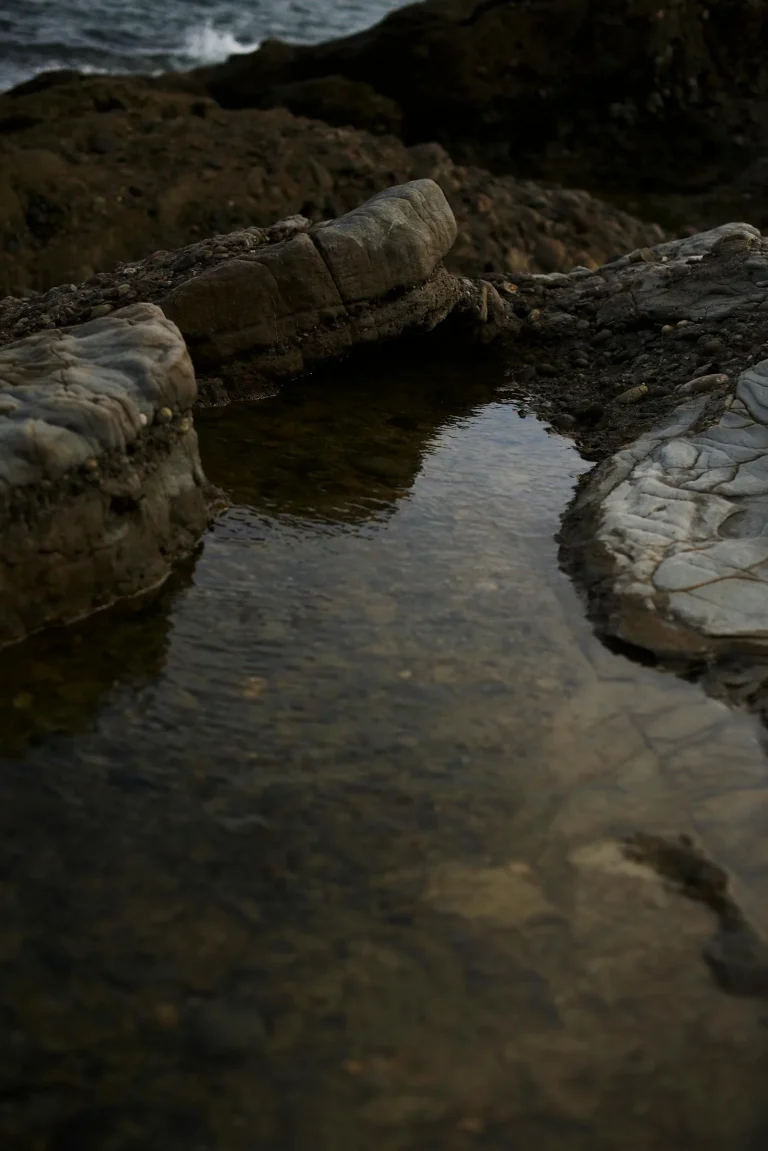
The six lakes are: Llyn Teifi (the largest, and the official source of the River Teifi, held behind a low dam); Llyn Egnant (the second largest and deepest); Llyn Hir (long and narrow); Llyn y Gorlan, Llyn Bach (small), and Llyn Pond Gwaith. Three of the lakes — Llyn Teifi, Llyn Egnant and Llyn Hir — function as Welsh Water reservoirs, supplying drinking water to communities in Ceredigion. The remaining three are natural upland lakes with no water management infrastructure. The lakes are closely spaced and can all be reached on foot within a 2.5-mile circuit — the reservoirs are linked by a maintained road used by Welsh Water vehicles, while the smaller natural lakes require a short cross-country walk across boggy terrain.
Wildlife: Plants, Fish and Birds
The Teifi Pools support a range of upland wetland species characteristic of the Cambrian Mountains. Aquatic and semi-aquatic plants include common butterwort, round-leaved sundew (both insectivorous species typical of acidic bogs), water lobelia and yellow water-lilies. All three of the fishing lakes hold populations of native brown trout, for which the Teifi catchment has been historically significant. Upland bird species associated with the broader Cambrian plateau — including red kite, peregrine falcon and merlin — are present in the wider area. The lack of human activity makes wildlife encounters more likely than at more accessible sites, particularly for walkers who arrive early in the morning.
Visiting Teifi Pools: Swimming, Fishing, Walking and Access
Wild Swimming at Teifi Pools
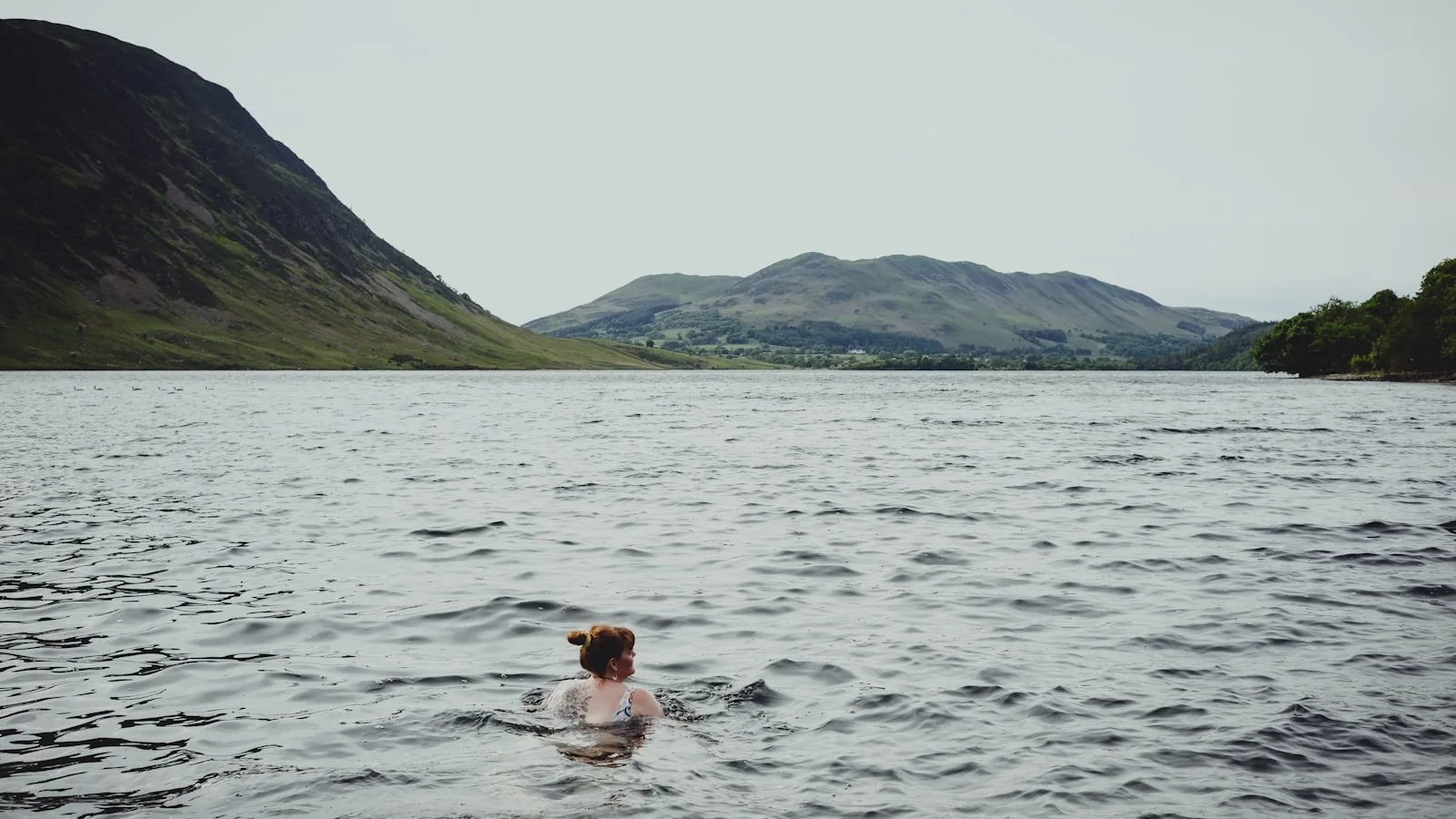
Llyn Teifi is a dammed reservoir — Welsh Water has placed information boards advising visitors not to swim in it, as it supplies drinking water. This applies similarly to Llyn Egnant and Llyn Hir. The smaller natural lakes — Llyn Bach, Llyn y Gorlan and Llyn Pond Gwaith — have no formal prohibition and are used by wild swimmers, though there is no signage, no designated entry point and no supervision. Water temperatures in the upland lakes are cold year-round; even in July and August, expect temperatures of 12–16°C. The remote location means that in the event of a cold water shock incident, emergency response time would be significant — open water swimming alone at these lakes carries meaningful risk. For those who want to wild swim at the Teifi Pools, arriving with a companion, informing someone of your plans, and using a tow float are standard precautions. Our guide to DIY natural swimming pools in the UK covers how to create a safe wild swimming alternative at home if you’re looking for a more controlled environment.
Fishing: Permits and What’s Allowed
Fishing rights on Llyn Teifi, Llyn Hir and Llyn Egnant are managed by Tregaron Angling Association. Day tickets are available in advance and permits can also be obtained via the Wye and Usk Foundation fishing passport scheme. The lakes permit fly fishing, spinning, bait fishing and float tubing — a broader set of methods than many managed Welsh trout fisheries. The native brown trout population in the Teifi catchment is well-regarded, and the high-altitude moorland setting makes fishing at the Teifi Pools a notably different experience from valley or lowland fisheries. The angling club holds exclusive rights to the three reservoir lakes; the smaller natural lakes are not formally managed for fishing.
Getting There, Walking and What to Bring
The Teifi Pools are accessed via the B4343, turning off 3.2 miles north of Pontrhydfendigaid in the direction of Ffair-Rhos. The postcode SY25 6BT approximates the start of the final approach road. The road to the pools is single-track and narrow; in winter it can be impassable due to ice or snow, and care is required in wet conditions. Parking is informal — space for a few cars near the reservoir access road. A 2.5-mile cross-country loop circumnavigates all six lakes, combining the maintained Welsh Water track with boggy, tussocky terrain across the moorland. The longer 6.4-mile Teifi Pools Walk takes approximately 3 hours at a moderate pace and includes more of the surrounding valley and hill terrain. There are no toilets, no café and no information centre on-site. Take food, water, waterproofs, and appropriate footwear — the boggy sections between lakes require wellies or waterproof hiking boots even in dry weather.
| Lake | Type | Activities Allowed |
|---|---|---|
| Llyn Teifi | Reservoir (Welsh Water) | Fishing (day ticket, Tregaron AA) |
| Llyn Egnant | Reservoir (Welsh Water) | Fishing (day ticket, Tregaron AA) |
| Llyn Hir | Reservoir (Welsh Water) | Fishing (day ticket, Tregaron AA) |
| Llyn y Gorlan | Natural lake | Walking, wild swimming (no formal prohibition) |
| Llyn Bach | Natural lake | Walking, wild swimming (no formal prohibition) |
| Llyn Pond Gwaith | Natural lake | Walking, wild swimming (no formal prohibition) |
Frequently Asked Questions
Where are the Teifi Pools?
The Teifi Pools are in Ceredigion, Wales, in the western Cambrian Mountains, approximately 15 miles from Aberystwyth. The nearest village is Pontrhydfendigaid, 3.2 miles from the access road turnoff on the B4343. The postcode SY25 6BT approximates the access point.
Can you swim in the Teifi Pools?
Wild swimming is officially discouraged in the three reservoir lakes (Llyn Teifi, Llyn Egnant, Llyn Hir) by Welsh Water. The three smaller natural lakes (Llyn Bach, Llyn y Gorlan, Llyn Pond Gwaith) have no formal prohibition. The water is cold year-round (typically 12–16°C in summer) and there are no facilities. Swimming alone at these remote upland lakes is inadvisable.
How many lakes are in the Teifi Pools?
Six: Llyn Teifi, Llyn Egnant, Llyn Hir, Llyn y Gorlan, Llyn Bach and Llyn Pond Gwaith. Three are managed as Welsh Water reservoirs; three are natural upland lakes.
What is the source of the River Teifi?
The River Teifi rises from Llyn Teifi, the largest of the Teifi Pools, in the Cambrian Mountains of Ceredigion at approximately 430 metres above sea level. The Teifi flows west through Tregaron, Lampeter and Cardigan before reaching the sea at Cardigan Bay.
Can you fish at Teifi Pools?
Yes. Tregaron Angling Association manages fishing rights on Llyn Teifi, Llyn Hir and Llyn Egnant. Day tickets are available and can also be obtained through the Wye and Usk Foundation’s fishing passport scheme. Fly fishing, spinning, bait fishing and float tubing are all permitted. The lakes hold native brown trout.
How do you get to the Teifi Pools?
From the B4343, turn off 3.2 miles north of Pontrhydfendigaid towards Ffair-Rhos. Follow the narrow single-track road uphill for several miles to the pools. Postcode SY25 6BT gives an approximate starting point for navigation. The road can be impassable in winter. Parking is informal at the roadside near the reservoir access track.
What wildlife can you see at Teifi Pools?
The lakes support insectivorous bog plants including common butterwort and round-leaved sundew, plus water lobelia and yellow water-lilies. Native brown trout inhabit the fishing lakes. Upland birds present in the wider Cambrian plateau area include red kite, peregrine falcon and merlin. The Dark Sky Discovery Site designation reflects very low light pollution, making the area good for nocturnal wildlife observation.