The correct chlorine level for a UK swimming pool is 1.0–3.0 ppm (parts per million) for outdoor pools and 1.0–2.0 ppm for indoor pools, according to PWTAG (Pool Water Treatment Advisory Group) — the primary UK authority for pool water treatment standards. Pool water chemistry involves balancing chlorine, pH, total alkalinity, and combined chlorine levels to keep water safe and comfortable. Salt water pools are often marketed as chlorine-free, but the distinction is that they generate chlorine from salt through electrolysis rather than requiring manual chemical addition. This guide covers correct chlorine levels, the salt water vs chlorine debate, and what the non-chlorine alternatives to pool sanitisation actually involve.
- PWTAG free chlorine target: 1.0–3.0 ppm for outdoor pools; 1.0–2.0 ppm for indoor pools — combined chlorine must stay below 1 mg/L
- Salt water pools generate chlorine via electrolysis from dissolved salt — they are not chlorine-free; chemical costs run under £100/year vs £300–£800/year for traditional chlorine pools
- PHMB (Baquacil/Softswim) is the main true non-chlorine pool sanitiser available in the UK — completely incompatible with chlorine, requires full water change when switching
- Sodium bicarbonate (baking soda) raises pool alkalinity — target is 100–150 ppm; soda ash (sodium carbonate) raises pH directly and is a different product
Swimming Pool Chlorine Levels — PWTAG Standards and pH Balance
Free chlorine, combined chlorine, and what PWTAG recommends
The Pool Water Treatment Advisory Group (PWTAG) sets the benchmark standards for pool water quality in the UK. Their Code of Practice specifies free chlorine levels of 1.0–3.0 mg/L (ppm) for outdoor pools and 1.0–2.0 mg/L for indoor pools. The lower indoor limit exists because warm, enclosed environments break down chlorine differently and chlorine off-gassing in confined spaces affects air quality and bather comfort. Combined chlorine — the chloramines formed when free chlorine reacts with organic matter (sweat, urine, oils) — must remain below 1 mg/L and should never exceed 50% of the free chlorine level. Combined chlorine is responsible for the characteristic swimming pool smell and eye irritation; a pool that smells strongly of chlorine typically has too much combined chlorine rather than too much free chlorine. The correct response is shocking the pool (super-chlorinating to break down chloramines) rather than adding less chlorine. According to Elecro Engineering’s pool chemistry guide, ideal pH should be maintained between 7.0 and 7.6, with 7.2–7.4 optimal for chlorine-based systems — at this range, a higher proportion of the available chlorine is in the active hypochlorous acid form, maximising disinfection efficiency.
Total alkalinity — measured separately from pH — should be maintained at 100–150 ppm for a stable pool. Alkalinity acts as a pH buffer: low alkalinity causes pH to swing rapidly (a condition known as pH bounce), making the pool acidic and corrosive to equipment and bather comfort; high alkalinity prevents pH from responding to adjustment chemicals. Sodium bicarbonate (sodium hydrogen carbonate) raises alkalinity without significantly changing pH — the standard dosage is approximately 1.5 kg per 10,000 litres of pool water to raise alkalinity by about 10 ppm. Soda ash (sodium carbonate) raises pH directly and is a distinct product with different dosing. UK pool chemical suppliers stock alkalinity builders in granular sodium bicarbonate form suitable for direct pool addition; the product should be broadcast across the pool surface with the pump running rather than concentrated in one area.
How often do UK swimming pools change the water?
Most residential inground pools do not need a full water change unless the pool has become irreversibly unbalanced or is starting the season after winter. The standard approach to pool water management is continuous filtration combined with chemical top-up to maintain parameters — dilution (partial draining and refilling) is used when total dissolved solids (TDS) accumulate to the point where chemical balancing becomes ineffective, which typically occurs after several years of use. Some pool operators recommend a 20–25% water change every two to three years as a TDS management strategy. Public leisure pool water is turned over far more frequently — PWTAG standards for public pools require a turnover rate (full filtration of the pool volume) typically every four to eight hours depending on pool type and bather load. For residential pools, complete seasonal emptying is common for above-ground frame pools that are stored over winter, while most inground pools are winterised (chemical treatment and cover) rather than drained.
Salt Water Pools vs Chlorine Pools — Costs and How They Differ
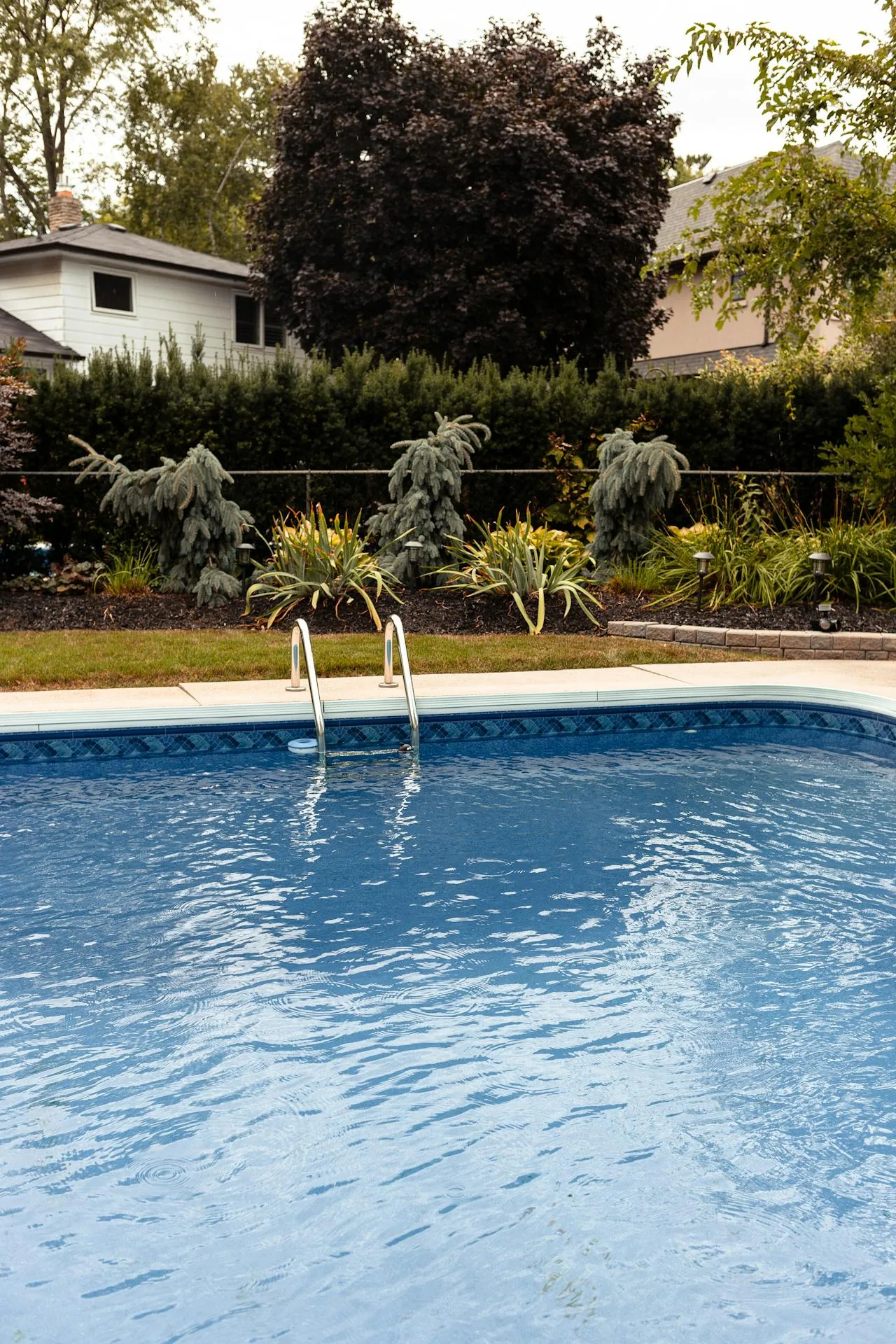
How salt water pools work — and why they still contain chlorine
Salt water pools use a salt chlorine generator (also called a chlorinator) — a device installed in the filtration system that passes pool water over electrolytic plates coated with titanium/ruthenium, converting dissolved salt (sodium chloride) into hypochlorous acid (the active form of chlorine) through electrolysis. The result is that the pool continuously generates its own chlorine from salt dissolved in the water. Salt water pools are therefore not chlorine-free — they produce chlorine on-demand rather than requiring the manual addition of chlorine tablets or granules. The salt concentration required is around 2,500–4,000 ppm — significantly less salty than seawater (around 35,000 ppm) and generally not perceptible as salty to bathers. Compass Pools’ comparison of pool types notes that bathers typically perceive salt water pools as gentler on skin and eyes than traditionally dosed chlorine pools, because the chlorine generation process tends to maintain more consistent and lower free chlorine levels rather than peaks and troughs from manual dosing.
Salt water vs chlorine pool costs in the UK
Converting an existing pool to salt water requires installing a salt chlorine generator, costing approximately £2,000–£3,000 for a residential unit. New pools can specify salt water systems at build stage. Ongoing chemical costs for a salt water pool run under £100 per year for salt top-up and pH adjustment chemicals, compared to £300–£800 per year for a traditional chlorine pool requiring regular chlorine tablets, granules, and other balancing chemicals according to HomeGuide’s 2026 salt water vs chlorine cost comparison. The primary long-term cost for salt water systems is the chlorinator cell, which needs replacing every three to six years at a cost of £600–£1,000. Salt water also affects metal fittings, ladders, and pool surrounds more aggressively than fresh water — pool owners should use marine-grade or corrosion-resistant fixtures. Whether the total cost of ownership favours salt water over traditional chlorine depends on pool size and usage; for larger pools (10+ metres), the chemical cost savings accelerate the payback on the generator installation.
Alternatives to Chlorine in Swimming Pools — PHMB, UV, Ozone, and Bromine

PHMB — the main true chlorine alternative in the UK
PHMB (polyhexamethylene biguanide) is sold in the UK under brand names including Baquacil and Softswim, and is the primary commercially available non-chlorine pool sanitiser for residential pools. PHMB works by disrupting bacterial cell membranes rather than oxidising them — it does not generate combined chlorine or chloramines, has no chlorine smell, and is considered gentler on skin, hair, and eyes than chlorine systems. UK pool store guidance on non-chlorine alternatives confirms that PHMB must be used with a compatible hydrogen peroxide oxidiser rather than chlorine, and is entirely incompatible with chlorine-based products — attempting to mix PHMB and chlorine causes a violent reaction and will turn the water brown. Converting a chlorine pool to PHMB requires completely draining, cleaning, and refilling — and the reverse conversion similarly requires full drainage. The ongoing cost of PHMB products is typically higher than chlorine, and PHMB pools require careful management as the sanitiser can accumulate in the water over time.
Bromine, UV, and ozone systems
Bromine is a halogen sanitiser closely related to chlorine that remains effective at higher temperatures, making it the preferred sanitiser for indoor pools, hot tubs, and spas where chlorine stability is reduced. Bromine is more expensive per unit than chlorine and degrades quickly in UV light — in outdoor pools, direct sunlight breaks down bromine rapidly, making it impractical as a standalone outdoor pool sanitiser without UV stabilisation. Pool water sanitation via UV and ozone systems are typically used as supplementary disinfection layers rather than full chlorine replacements: UV systems (ultraviolet light reactors installed in the return line) destroy bacteria and viruses as water passes through, significantly reducing the chlorine demand — the pool still requires a residual chlorine level (typically 0.5–1.0 ppm rather than 1–3 ppm) to provide ongoing protection throughout the water volume. Ozone systems inject ozone gas into the water to oxidise contaminants, also reducing chlorine demand, but ozone dissipates rapidly and similarly requires a residual sanitiser. For residential UK pools, the most practical chlorine-reduction approaches are UV supplementation or conversion to a salt water generator — both significantly reduce the amount of chlorine needed while maintaining bather safety standards.
Frequently Asked Questions
What should chlorine levels be in a swimming pool UK?
PWTAG (Pool Water Treatment Advisory Group) recommends free chlorine levels of 1.0–3.0 ppm (mg/L) for outdoor pools and 1.0–2.0 ppm for indoor pools. pH should be maintained at 7.2–7.6 (ideally 7.2–7.4 for chlorine pools). Combined chlorine — the chloramine byproduct responsible for the “chlorine smell” — should stay below 1 mg/L and below 50% of free chlorine. A strong chlorine smell at a pool usually indicates too much combined chlorine (requiring shock treatment) rather than too much free chlorine.
Are salt water pools really chlorine-free?
No — salt water pools generate chlorine from dissolved salt through electrolysis in a salt chlorine generator. They contain active chlorine (hypochlorous acid) just as traditional pools do; the difference is how the chlorine is introduced (on-demand generation vs manual chemical addition). Salt water pools typically maintain lower and more consistent chlorine levels than manually dosed pools, and most bathers find them gentler on skin and eyes. Annual chemical costs are under £100 for salt water pools vs £300–£800 for traditional chlorine pools, but the generator hardware adds upfront cost.
What is the best alternative to chlorine in a pool?
For a true chlorine-free pool, PHMB (sold as Baquacil or Softswim in the UK) is the main commercially available alternative — it sanitises without chlorine chemistry and produces no chloramines, but costs more to maintain and is completely incompatible with chlorine (requires full pool drain to switch). For chlorine reduction rather than elimination, a UV system supplementing low-level chlorine (0.5–1.0 ppm) is the most practical approach. Salt water systems are often described as a chlorine alternative but still produce and use chlorine — they are a more convenient and lower-maintenance chlorine system rather than a genuine replacement.
Can you use baking soda (sodium bicarbonate) in a swimming pool?
Yes — sodium bicarbonate (baking soda) is a standard pool chemistry product sold specifically for raising total alkalinity. The standard dose is approximately 1.5 kg per 10,000 litres of pool water to raise alkalinity by around 10 ppm. Target total alkalinity is 100–150 ppm. Sodium bicarbonate raises alkalinity with only a minimal pH effect — it should not be confused with soda ash (sodium carbonate), which raises pH directly and is used for a different purpose. Both are available from UK pool chemical suppliers as granular products for direct pool addition.