Solar heating is one of the most cost-effective ways to extend your outdoor swimming season in the UK. Rather than generating electricity and converting it into heat, a solar thermal system pipes pool water directly through roof-mounted collectors where the sun does the work — no inverter, no battery, no complex conversion chain. This guide covers the two main approaches (solar thermal and solar PV), how to size a system for your pool, what it will cost, and how to do it yourself on a limited budget.
- Solar thermal collectors are 4× more efficient than solar PV for direct pool heating — water circulates through the collector and returns warmer, with no electricity conversion.
- A solar thermal system costs £3,000–£8,000 installed and can extend your outdoor UK swimming season by 2–4 months, from June–August to May–September.
- SPATA guidance is to size collector area at 50% of your pool’s surface — a 10m × 5m pool needs approximately 25m² of collectors.
- Payback against gas or electric heating (£600–£1,200 per season) is typically 4–8 years, with the system lasting 25–30 years.
Solar Thermal vs Solar PV: Which Is Right for Pool Heating?
How Solar Thermal Collectors Work
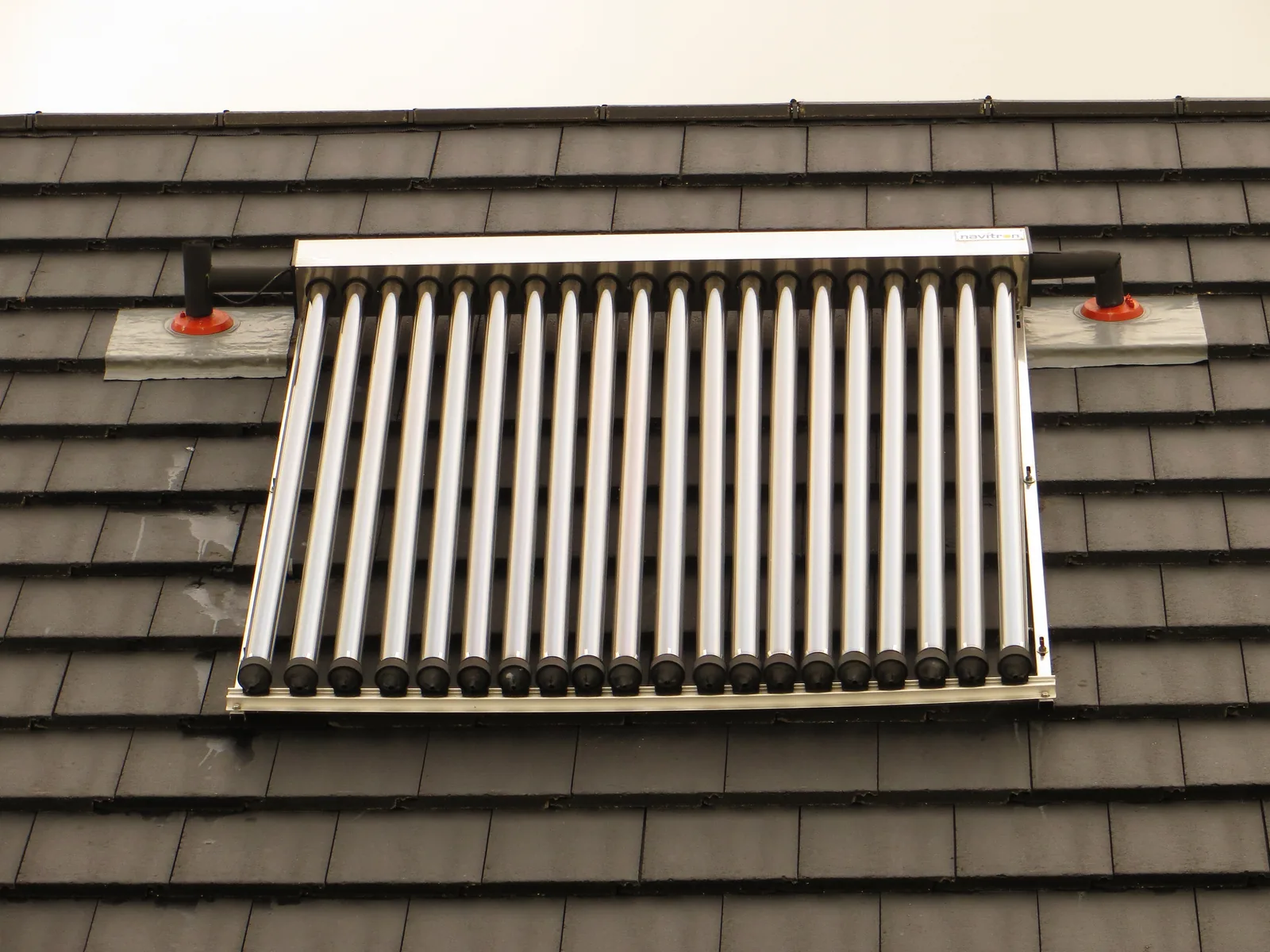
A solar thermal pool heating system works by circulating pool water through a series of collectors — typically mounted on a south-facing roof or a ground frame — where direct solar radiation heats the water before it is pumped back into the pool. The system has four core components: a collector, a pump, a diverter valve, and a controller that monitors collector temperature and activates the pump when heat is available. Unlike solar PV, there is no electrical conversion, no inverter, and no need for batteries. According to Homebuilding & Renovating, solar thermal is considered approximately four times as efficient as solar PV for direct water heating — an important distinction for pool owners who want to maximise heat output per pound of installed cost.
In a well-designed UK system, unglazed solar thermal collectors can raise pool water temperature by 5–8°C above what it would reach from ambient air temperature alone. For a UK outdoor pool that might sit at 14–18°C in May without heating, a correctly sized solar thermal system can push that to 19–25°C — comfortable for recreational swimming — and sustain warmer temperatures through September.
Unglazed vs Glazed Collectors
The most common choice for UK outdoor pool heating is the unglazed collector — panels made from black polypropylene or rubber through which pool water flows directly. They are cheaper to manufacture, simpler to install and highly effective during the UK outdoor season (typically May to September). They have no glass cover, which means they lose heat more readily in cold or windy conditions; this is not a problem when the aim is seasonal pool heating rather than year-round use.
Glazed collectors use copper tubing encased in an insulated box behind iron-tempered glass and use a heat transfer fluid rather than pool water directly. They capture and retain solar heat more effectively in colder conditions, making them suitable for extending the season into autumn or for indoor pools where year-round heating is required. The trade-off is cost — glazed systems are significantly more expensive and involve a more complex installation with a heat exchanger. For most UK outdoor pool owners who swim May to September, unglazed collectors represent the more practical and cost-effective choice.
Solar PV as an Alternative
Solar PV panels generate electricity rather than directly heating water, so they are used in conjunction with an electric pool heat pump rather than as a standalone heating source. The appeal is versatility — surplus electricity can power the house or be exported via the Smart Export Guarantee — but the upfront cost is higher. A solar PV system starts from around £7,000–£9,800 before the additional cost of the heat pump itself. For owners who want to heat a pool year-round and also offset general household electricity bills, a PV and heat pump combination makes sense. For those who simply want to extend an outdoor swimming season cost-effectively, solar thermal remains the simpler and cheaper route.
| System | How it heats | Cost | Best for |
|---|---|---|---|
| Unglazed thermal | Direct water circulation | £3,000–£5,000 | Outdoor seasonal (May–Sep) |
| Glazed thermal | Heat exchanger + fluid | £5,000–£8,000 | Extended season / indoor |
| Solar PV + heat pump | Electricity → heat pump | £12,000–£20,000 | Year-round + household use |
Costs, Sizing and DIY Solar Pool Heating
How Many Collectors You Need
The standard UK sizing guideline, recommended by SPATA (the Swimming Pool and Allied Trades Association), is to install collector area equal to at least 50% of the pool’s surface area. A pool measuring 10m × 5m (50m² surface) therefore requires approximately 25m² of collector. Some installers recommend 75% coverage for greater temperature gains or to extend the season further. Key factors that affect the calculation include the pool’s location (south vs north of England), whether it is covered when not in use (a pool cover significantly reduces heat loss and means a smaller collector array suffices), and the target water temperature.
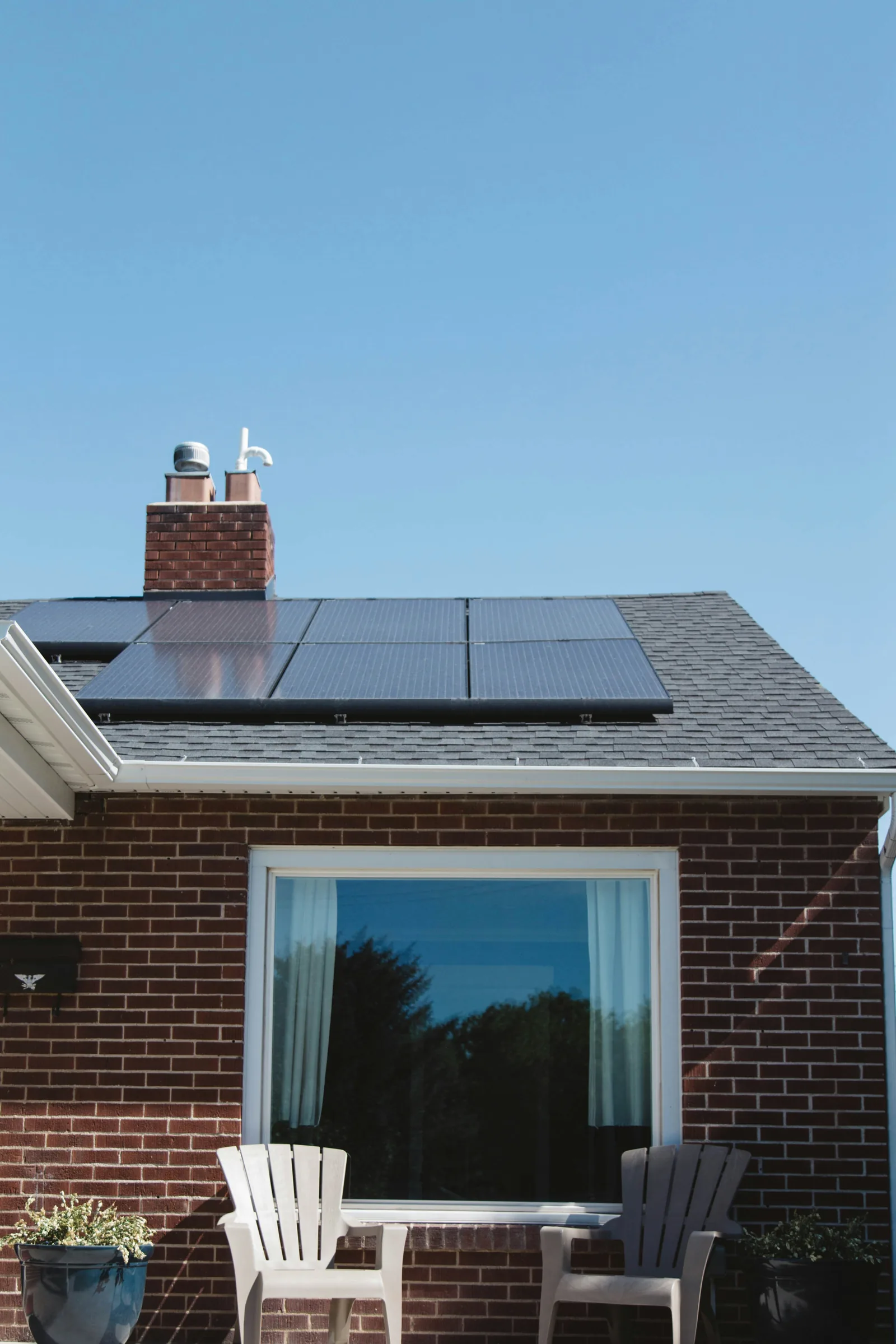
Collectors should ideally be mounted at an angle between 30° and 60° from horizontal, facing south — the same orientation as a solar PV installation. Distance between collector and pool matters: longer pipe runs mean more heat loss between collector and water, so minimising that distance improves system efficiency.
Installation Costs and Payback
A solar thermal pool heating system costs between £3,000 and £8,000 installed in the UK, depending on pool size, collector type and the complexity of the installation. Smaller above-ground pools with unglazed collectors sit at the lower end; larger in-ground pools with glazed collectors for extended season heating sit at the higher end. Installation typically takes one to three days.
Against gas pool heating costs of £600–£1,200 per season, a £5,000 solar thermal system pays back in roughly 4–8 years. After payback, running costs are negligible — just minor maintenance and the small electricity draw of the circulation pump. With a system lifespan of 25–30 years, the long-run economics are strongly favourable. Solar panels in the UK also qualify for 0% VAT on supply and installation.
DIY Solar Pool Heating Options
For above-ground or smaller pools, DIY solar heating is a practical and affordable option. Solar matting and pod kits — sheets of black polypropylene coiled pipe that connect to the existing pool pump — are available from around £300 to £1,000 and are designed for self-installation. They work on the same principle as full thermal systems: pool water circulates through the black collector, absorbs solar heat, and returns warmer. They are most effective for above-ground pools and will raise water temperature by 3–6°C on sunny days.
At the most budget-conscious end, homemade systems can be built for under £100 using black polypropylene pipe coiled on a frame or laid on a dark roof surface — the black colour absorbs solar radiation, and the pool pump does the circulation work. This approach is well-documented and effective for small pools, though output is limited and the system has no automatic temperature control. For permanent in-ground pools, a professionally installed solar thermal system is the more reliable route. If you’re exploring other low-carbon heating options for your pool, our guide to types of swimming pools covers the broader range of pool designs and their running costs in detail.
Frequently Asked Questions
Do solar panels work for swimming pools in the UK?
Yes. Solar thermal collectors are well-suited to UK conditions for seasonal pool heating. They extend the outdoor swimming season by 2–4 months and raise pool temperature by 5–8°C above ambient, making them one of the most cost-effective renewable heating options available to pool owners.
How many solar panels do I need to heat a swimming pool?
SPATA recommends collector area equal to at least 50% of the pool’s surface area. A 10m × 5m pool (50m²) needs approximately 25m² of solar collectors. Using a pool cover reduces heat loss and allows a smaller collector array to achieve the same result.
What is the difference between solar thermal and solar PV for pools?
Solar thermal collectors heat pool water directly by circulating it through the panels — no electricity is generated. Solar PV generates electricity that powers a separate heat pump. Solar thermal is approximately 4× more efficient for direct pool heating and costs less upfront; solar PV is more versatile but costs significantly more.
How much does solar pool heating cost in the UK?
Solar thermal systems cost £3,000–£8,000 installed, depending on pool size and collector type. Unglazed systems for seasonal outdoor pools sit at the lower end (£3,000–£5,000). A solar PV and heat pump combination costs £12,000–£20,000 but covers year-round heating and general household electricity.
How long does a solar pool heating system take to pay back?
Against gas or electric pool heating costs of £600–£1,200 per season, a solar thermal system typically pays back in 4–8 years. With a system lifespan of 25–30 years, the long-term savings are substantial. 0% VAT applies to supply and installation.
Can I DIY solar pool heating?
Yes, particularly for above-ground pools. Solar matting and pod kits (£300–£1,000) connect to the existing pool pump and are designed for self-installation. Very simple homemade coil systems using black polypropylene pipe can be built for under £100. For permanent in-ground pools, professional installation is recommended.
Do solar panels extend the swimming season?
Yes. A correctly sized solar thermal system typically extends the UK outdoor swimming season by 2–4 months — from a June–August window to May–September, or even April–October in southern England with glazed collectors. The season extension is the primary practical benefit for most UK pool owners.