The phrase “pop-up pool” covers a range of above-ground swimming pools sold in the UK, from the simplest ring-top inflatables that fill in an afternoon to semi-permanent steel-frame structures that stay up all season. Understanding the differences matters before you buy: a pop-up inflatable and a deep above-ground frame pool are different products at different price points, with different depths, durability and installation requirements. UK above-ground pools divide into three main categories — quick-inflate rings, metal-frame soft-sided pools, and permanent steel-wall structures — and the right choice depends on garden size, budget, how deep you want the water, and whether you want something seasonal or semi-permanent. This guide explains each type, compares the deepest options available in the UK, and covers what to check before buying.
- “Pop-up pool” usually refers to inflatable ring-top pools (Intex Easy-Set, Bestway Fast Set) — cheap, quick to fill, but shallow (typically 60–76cm/24–30 inches deep) and short-lived (2–5 years).
- Metal frame pools (Intex Ultra XTR, Bestway Steel Pro Max) are the best UK value for proper swimming — depths of 99–132cm (39–52 inches), lifespan of 5–10+ years, replaceable liners.
- The deepest common above-ground pool available in the UK is the Intex Ultra XTR Rectangular: 5.49m × 2.74m × 132cm (18ft × 9ft × 52 inches) deep.
- Semi-permanent steel wall pools cost £5,000–£10,000 installed by a professional; DIY installation brings this down to approximately £2,000–£3,500 but requires a level site preparation.
- Above-ground pools can be installed in 2–7 days without excavation or concrete groundworks — the main advantage over in-ground pools (£20,000–£50,000+) for most UK gardens.
Types of Above-Ground and Pop-Up Pool for UK Gardens
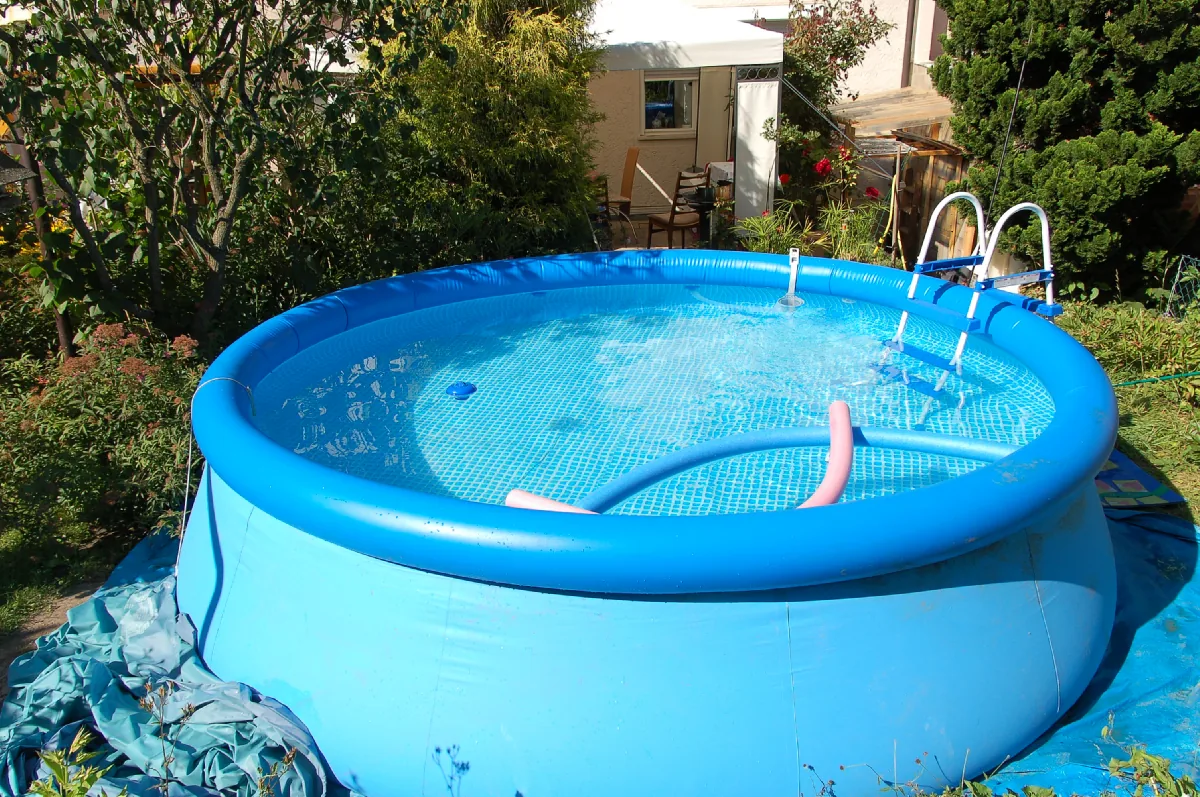
The terminology around above-ground pools is inconsistent across retailers and manufacturers. “Pop-up pool,” “frame pool,” “inflatable pool” and “above-ground pool” are used interchangeably in advertising but refer to structurally different products. The distinction matters because depth, durability, installation complexity and cost vary significantly between categories.
Quick-inflate ring pools: what “pop-up pool” usually means
The most common meaning of “pop-up pool” in UK retail is the inflatable ring-top pool: a soft vinyl tub held in shape by an inflatable ring around the top rim. The most widely sold examples are the Intex Easy-Set range and the Bestway Fast Set range. You inflate the ring, fill the pool with water, and the water pressure itself pulls the sides upright — no frame required. Setup typically takes under an hour. These pools are available in diameters from around 1.8 metres up to 4.5 metres, with water depths of approximately 60–76 centimetres (24–30 inches) — shallow enough for children to stand in but not deep enough for adult swimming lengths. They include a basic cartridge filter pump. Lifespan is typically 2–5 seasons before the vinyl degrades, develops leaks or the inflation ring loses integrity. These are low-cost options (£50–£300 depending on size) that suit small gardens and families with young children, but they are not suitable for adult swimming in the traditional sense — they are wading and cooling pools rather than swimming pools. “Pop-up” is also sometimes applied to small foldable children’s pools that spring open when a cord is pulled, but these are children’s paddling pools (under 30cm deep) rather than swimming pools.
Metal frame pools: the main above-ground swimming pool category
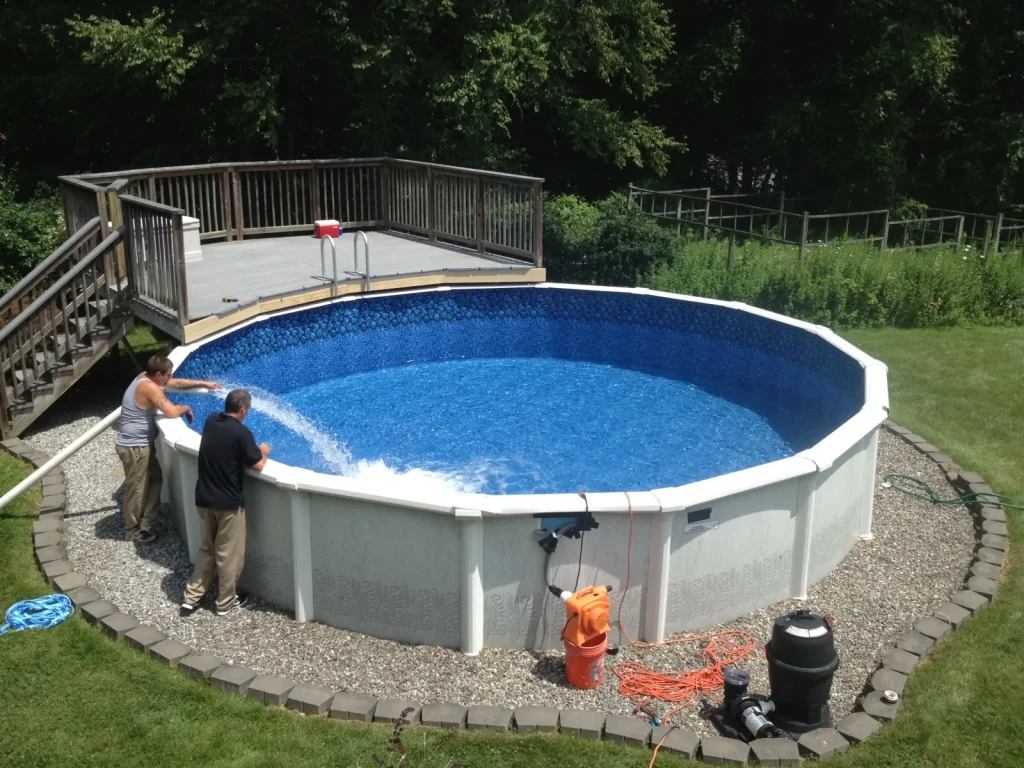
Metal frame above-ground pools are the most widely purchased “real swimming pool” option for UK gardens. They have a galvanised steel or resin frame that provides rigid support for a heavy-duty PVC or polyester-laminate liner, with depths ranging from approximately 76cm (30 inches) in entry-level models to 132cm (52 inches) in premium rectangular models — deep enough for adult lengths and lap swimming. The two dominant brands in the UK are Intex and Bestway. Intex is generally regarded as the higher-quality option, with superior pump reliability and more durable liners; Bestway offers more budget-friendly pricing. Within each brand, the model ranges escalate in size, depth and included equipment: the Intex range goes from the basic Metal Frame (round, 3.6m diameter, 76cm deep) to the Prism Frame, Ultra Frame and Ultra XTR, with the Ultra XTR Rectangular (5.49m × 2.74m, 132cm deep) being the largest and deepest standard retail option in the UK. Lifespan is 5–10 years or more with care; the liner is replaceable, extending pool life. Setup requires a level, firm surface — typically two to four adults for a full afternoon. Most frame pools include a filter pump; a sand filter pump is recommended over cartridge for larger models as it is more effective and cheaper to run long-term. These are seasonal pools — they must be drained and disassembled for winter storage in UK climates or the frame and liner will be damaged by frost.
Semi-permanent steel wall pools: the long-term above-ground option
At the premium end of the above-ground category are galvanised steel wall pools — fully panelled structures with hot-dip galvanised steel walls, a concrete or compacted gravel base, and a heavy-duty fitted liner. These are the equivalent of a permanent pool structurally, but installed above the ground (or partially recessed into a slope) without the excavation costs of an in-ground pool. Suppliers in the UK include Aquinium, Dolphin Leisure and the German-manufactured Zodiac and Desjoyaux systems. These pools are custom-sized, typically with water depths of 1.2–1.5 metres, and can remain in place year-round. Professional installation costs approximately £5,000–£10,000 (supply and install), though a competent DIYer can complete installation for approximately £2,000–£3,500 in materials. The structural advantage over in-ground pools is the absence of excavation: installation takes 2–7 days rather than the weeks required for an in-ground pool, and planning permission is not normally required for above-ground pool structures below a certain height in residential gardens (though you should check with your local authority). By comparison, a standard in-ground concrete or fibreglass pool in the UK costs £20,000–£50,000 or more installed, with groundworks, electrical connections and heating as additional costs. The semi-permanent steel wall pool represents a genuine middle option for homeowners who want a permanent pool aesthetic without the full cost of in-ground construction. For those considering a full in-ground pool or a hotel with a private pool as an alternative, our guide to outdoor swimming pools near you covers public lido and open-air pool options.
The Deepest Above-Ground Pools Available in the UK
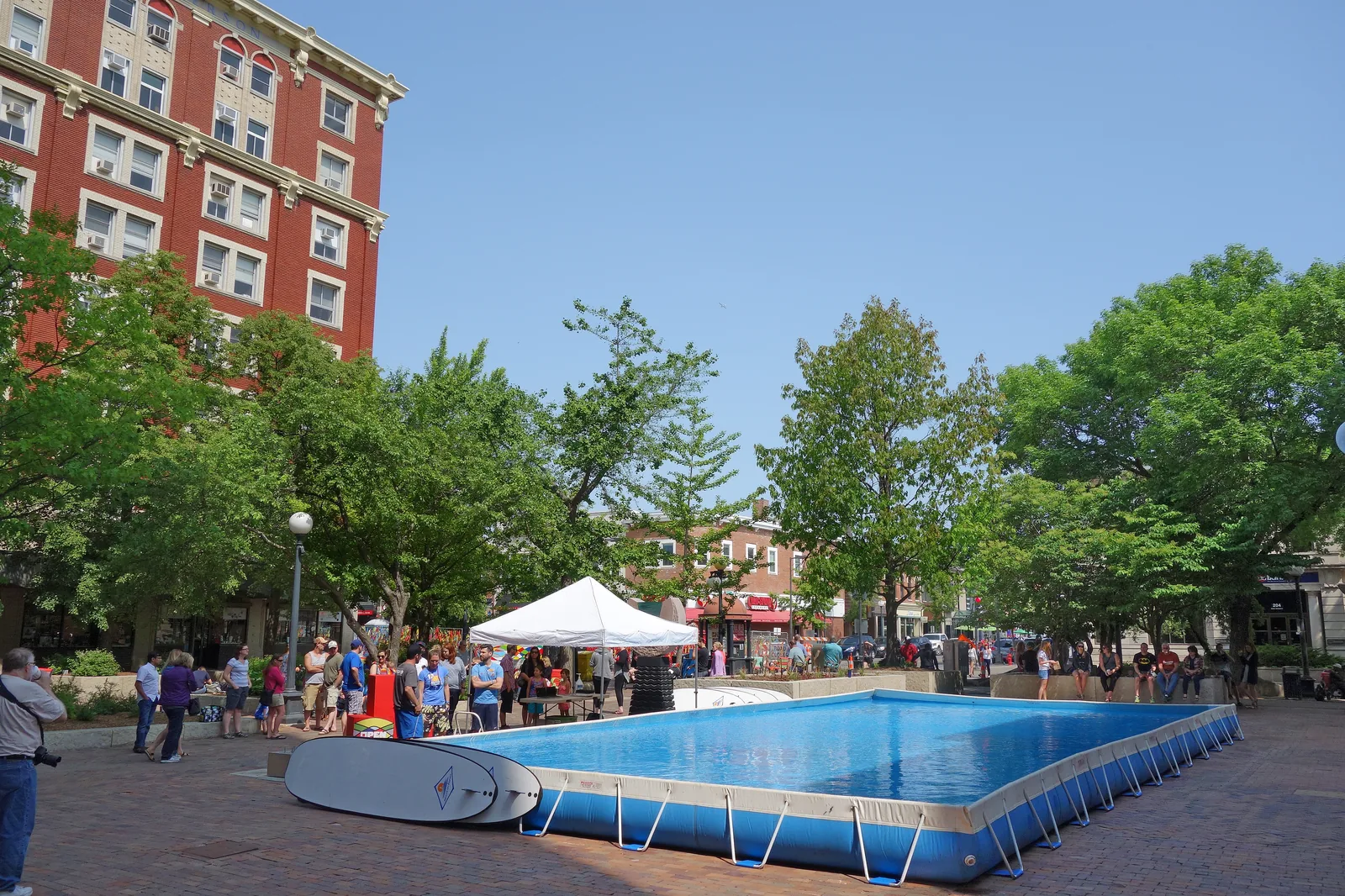
The “deep above-ground pools” search reflects a genuine gap in what most retail options provide. Standard pop-up and entry-level frame pools have water depths of 60–76cm — too shallow for adult swimming and uncomfortably shallow for tall children. If depth is a priority, the options narrow significantly: only the premium metal frame ranges and bespoke steel-wall pools provide 1-metre-plus water depth.
Intex Ultra XTR and Bestway Steel Pro Max — the deepest standard retail options
The deepest standard above-ground pools widely available in the UK retail market are the Intex Ultra XTR Rectangular Frame Pool and the Bestway Steel Pro Max. The Intex Ultra XTR Rectangular comes in several sizes; the largest is 5.49m × 2.74m × 132cm deep (18ft × 9ft × 52 inches), providing enough length for genuine swimming lengths and a water depth comparable to the shallow end of a public pool. It includes a sand filter pump, ladder, ground cloth and pool cover. The Intex Metal Frame 12ft Round (3.66m diameter) has a 99cm (39-inch) depth — the minimum depth that most adults can swim in properly. The Bestway Steel Pro Max range tops out at 5.49m × 2.74m × 122cm (18ft × 9ft × 48 inches), very similar to the Intex XTR but slightly shallower. Most UK retailers stock these or can order them; availability is seasonal (March–August) and stock of the larger models sells out quickly. At the upper end, the Intex Ultra XTR 24ft × 12ft × 52-inch oval model provides the largest swimming area available in an above-ground pool at UK retail, but requires significant garden space and a professionally levelled base. The Bestway Hydrium range occupies a middle position between standard frame pools and full steel-wall pools, with thicker steel-reinforced walls and depths up to 120cm, and is available through Bestway’s UK trade and direct channels.
Steel wall pools: custom depth options beyond standard retail
Standard retail frame pools are limited by what manufacturers can ship in a box. For consistently deeper water — 1.2m to 1.5m — bespoke steel wall pool kits from UK and European suppliers provide the only retail option. Aquinium, Dolphin Leisure and similar UK specialist pool companies supply galvanised steel panel systems in custom dimensions, typically with a minimum water depth of 1.2m. These are sold as kit packs for DIY installation or with installation services. The panels bolt together on a compacted gravel or concrete base, a liner is fitted into the assembled frame, and the pool is filled over 24–48 hours. Unlike frame pools, these steel-wall systems can be partially recessed into a slope or garden bank, giving the appearance of a partially in-ground pool while keeping excavation costs minimal — you only dig out what’s needed for the recessed portion rather than the full pool volume. Partial recess also provides some insulation and structural stability. For UK gardens on a slope, this is the most practical way to achieve a deep, aesthetically integrated pool without in-ground construction costs. Prices for steel-wall kit pools (materials only) typically start around £2,000–£4,000 for a 6m × 3m × 1.2m pool, rising to £6,000–£10,000 with installation.
What “deep” means in practice: how depth affects usability
Pool depth affects usability in specific ways that are worth understanding before purchasing. A 60–76cm depth (standard pop-up/ring pool): children can stand, adults cannot swim properly — this is a cooling and splashing pool only. A 90–99cm depth (entry-level frame pool): adults can wade and perform some swimming strokes lying on their side, but full freestyle swimming is restricted. A 120–132cm depth (premium frame pool, Ultra XTR, Bestway Steel Pro Max): comfortable for most adult swimming; adequate for genuine lengths training. A 1.5m depth (bespoke steel wall or in-ground): equivalent to the shallow end of a standard public pool; suitable for diving from the poolside (not the deep end — 1.5m is not safe for diving from a height). For a family with children learning to swim, a minimum depth of 100cm is generally recommended to provide enough water for swimming technique without the children simply standing on the bottom. Adults using the pool for lap swimming should target 120cm minimum. The practical limit for above-ground frame pools is approximately 132cm (52 inches) due to the structural constraints of the soft-sided design — at greater depths the water pressure exceeds the liner’s structural capacity in most standard frame systems.
What to Consider Before Buying an Above-Ground or Pop-Up Pool
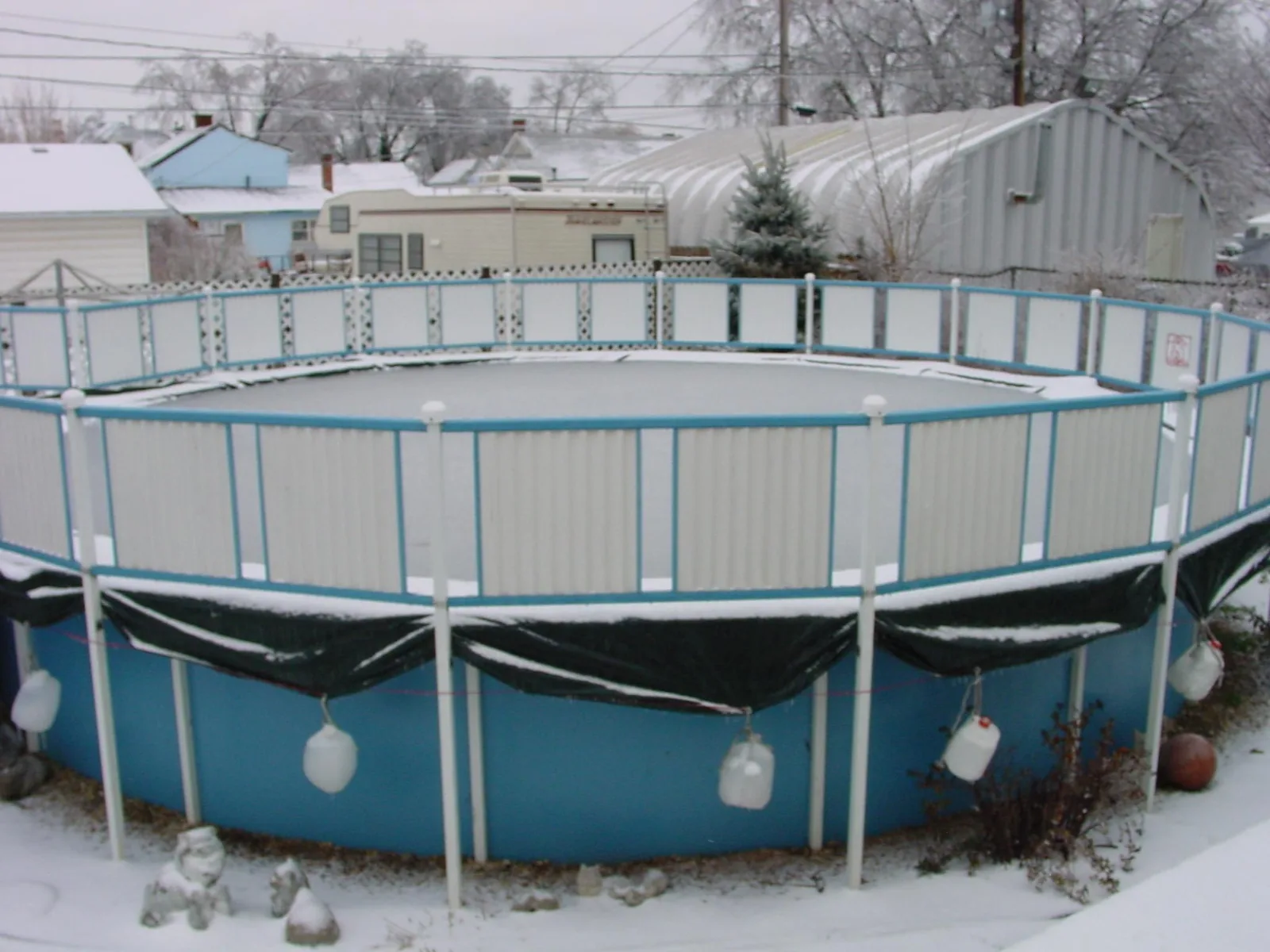
The UK’s climate and garden conditions introduce specific considerations that don’t appear in buying guides written for warmer-climate markets. Above-ground pools in the UK operate in a short warm season with variable temperatures, and any pool bought on a warm weekend in July needs to be stored from October to April — storage space and ease of disassembly matter here in a way they do not in Mediterranean or US Sunbelt markets.
Ground preparation, levelness and garden suitability
The single most common cause of above-ground pool failure in UK gardens is installing on an unlevel surface. A pool that appears only slightly off-level — a 5cm drop across 4 metres — places uneven stress on the frame and liner, can cause the pool to lean and ultimately collapse with water in it. Ground must be levelled to within 2cm across the full pool footprint before installation. For ring-top inflatables, a firm flat area of lawn or patio works; for metal frame pools over 3.6m diameter, bare compacted earth or paved surface is preferable to soft lawn (grass compresses unevenly under the water weight). The Aquinium installation guide recommends a compacted MOT Type 1 hardcore base (150mm deep) topped with sharp sand for steel-wall pools. Pool weight is significant: a 4.5m round frame pool holds approximately 18,000 litres of water at 76cm depth, which weighs 18 tonnes — enough to sink into soft ground if the base is not prepared correctly. Avoid installing above-ground pools on slopes without engineering the level base first; attempting to run a levelling wedge under one side of a frame pool is dangerous. Garden suitability also includes shade assessment: direct overhead tree coverage accelerates algae growth and drops debris into the water, increasing filtration requirements.
Filtration, maintenance and running costs
Above-ground pools require the same basic water chemistry as in-ground pools: pH maintenance (target 7.2–7.6), chlorine dosing, algaecide and periodic shock treatment. All frame pool retailers include a basic cartridge filter pump; for pools over 3.6m diameter, a sand filter pump is strongly recommended as cartridge filters clog rapidly in larger volumes, require frequent replacement cartridges (£5–£15 each, monthly in high use) and provide inferior filtration. A 4m–6m sand filter system costs approximately £80–£200 and runs continuously while the pool is in use. Chemical costs for a 15,000-litre pool run approximately £10–£30 per month during the swimming season depending on bathing load and weather. A pool cover is essential for heat retention and reducing evaporation — UV-stabilised covers reduce heat loss by 70% overnight and significantly reduce chemical consumption by limiting algae growth from sunlight. UK water temperatures even in August make a heat pump or gas heater worthwhile for extending the season — a basic 5kW heat pump costs approximately £600–£800 and can raise water temperature by 8–10°C, extending the usable season from June–August to May–September. Winter storage: frame pools must be fully drained, cleaned and dried before disassembly in October; the liner should be stored flat or loosely rolled (never tightly folded) in a dry, frost-free location. Leaving a frame pool assembled but empty through a UK winter causes frame corrosion and liner degradation.
Planning permission, garden furniture and what retailers don’t mention
In England and Wales, above-ground swimming pools are generally classified as permitted development and do not require planning permission when sited in a residential garden, provided they meet standard permitted development conditions (no pool in a front garden, not exceeding 2.5m in height for structures within 2 metres of a boundary, and not on listed property or in a conservation area). However, rules vary by local authority and devolved nations, and it is worth checking with your local planning department before installation of a permanent or semi-permanent steel-wall pool. Pool fencing and gate requirements apply in many cases, particularly where children under 5 are in the household — the Royal Society for the Prevention of Accidents (RoSPA) recommends pool barriers meeting the relevant British Standard (BS EN 13451) for all domestic pools. Water features and pools adjacent to boundaries may also be subject to neighbour notification requirements. Retailers selling frame pools frequently omit mention of the chemicals starter kit needed from day one (£50–£80 for a full season kit), the ladder requirement for pools over 60cm deep (adults cannot step into the pool without one), and the hose water volume required to fill a large pool — filling a 15,000-litre pool from a standard garden hosepipe takes 6–8 hours and may affect water pressure in the property during filling. Budget for these items when calculating total cost. For a broader view of the UK’s public swimming infrastructure — lidos, outdoor pools and leisure centre pools — our outdoor swimming pools guide covers alternatives to private pool ownership for regular swimming.
Frequently Asked Questions
What is a pop-up pool?
A pop-up pool is typically an inflatable ring-top pool (such as Intex Easy-Set or Bestway Fast Set) that uses an inflatable ring at the top rim to hold up the vinyl walls when filled with water. They require no frame — inflation and filling is all that’s needed. They are quick to set up but shallow (60–76cm), have a lifespan of 2–5 seasons, and are more suitable for children’s use and cooling than adult swimming.
What is the deepest above-ground pool available in the UK?
The deepest standard retail above-ground pool widely available in the UK is the Intex Ultra XTR Rectangular Frame Pool at 5.49m × 2.74m × 132cm (18ft × 9ft × 52 inches) deep. For greater depths, bespoke steel-wall pool kits from UK specialists (Aquinium, Dolphin Leisure) provide custom depths of 1.2–1.5m, installed from approximately £5,000–£10,000 professionally.
What is the best above-ground swimming pool for a UK garden?
For most UK families wanting a genuine swimming pool: the Intex Ultra XTR or Bestway Steel Pro Max rectangular frame pools offer the best combination of depth (99–132cm), swimming area and durability at a retail price of approximately £500–£1,500. For a permanent or semi-permanent option, galvanised steel-wall pool kits provide in-ground pool aesthetics without full excavation costs.
Do above-ground pools need planning permission in the UK?
In England and Wales, above-ground swimming pools are generally permitted development in residential gardens and do not require planning permission, subject to standard conditions (not in front gardens, within boundary distance limits, not on listed property). Rules vary by local authority and devolved nation — check with your local planning department before installing a permanent or semi-permanent structure.
How much does an above-ground pool cost in the UK?
Ring-top inflatable pools: £50–£300. Entry-level metal frame pools (round, 3–4m, 76cm deep): £150–£400. Premium rectangular frame pools (Intex Ultra XTR, 132cm deep): £600–£1,500. Semi-permanent steel-wall pools: £2,000–£3,500 DIY; £5,000–£10,000 professionally installed. Add chemical starter kit (£50–£80), sand filter pump upgrade (£80–£200) and pool cover (£30–£100) for realistic total costs.
How long does it take to set up an above-ground pool?
Ring-top inflatable pools: 30–60 minutes to inflate and fill. Metal frame pools (round, 3–4m): 2–4 hours assembly for two adults, then 6–8 hours to fill. Large rectangular frame pools (5–6m): 4–6 hours assembly, up to 12 hours to fill. Semi-permanent steel-wall pools: 2–7 days including base preparation. All times assume a prepared, level surface.