Fibreglass pools are pre-moulded shells — manufactured offsite, delivered in one piece and craned into an excavated hole in your garden. In the UK, an 8m × 4m fibreglass pool with basic filtration costs between £25,000 and £40,000 installed, while larger or more complex installations reach £75,000. That compares favourably to concrete pools at similar sizes, and the installation takes 3–4 weeks rather than the 3–6 months required for a custom concrete build. This guide covers UK costs and what drives them, how the major suppliers differ, and an honest comparison of fibreglass against concrete and vinyl liner pools.
- Fibreglass pool installed cost in the UK: £25,000–£40,000 for an 8m × 4m shell; full range £30,000–£75,000 depending on size and specification.
- Installation takes 3–4 weeks — significantly faster than concrete (3–6 months) — because the shell arrives pre-moulded and is craned directly into the excavation.
- Lifespan of 25–50 years with minimal resurfacing; the non-porous gel coat resists algae and reduces chemical consumption compared to concrete pools.
- Key limitations: fibreglass pools are restricted to manufacturer shapes, have a maximum width of approximately 4.9 metres due to road transport, and carry a maximum operating temperature of 28°C.
Fibreglass Pool Costs and Installation in the UK
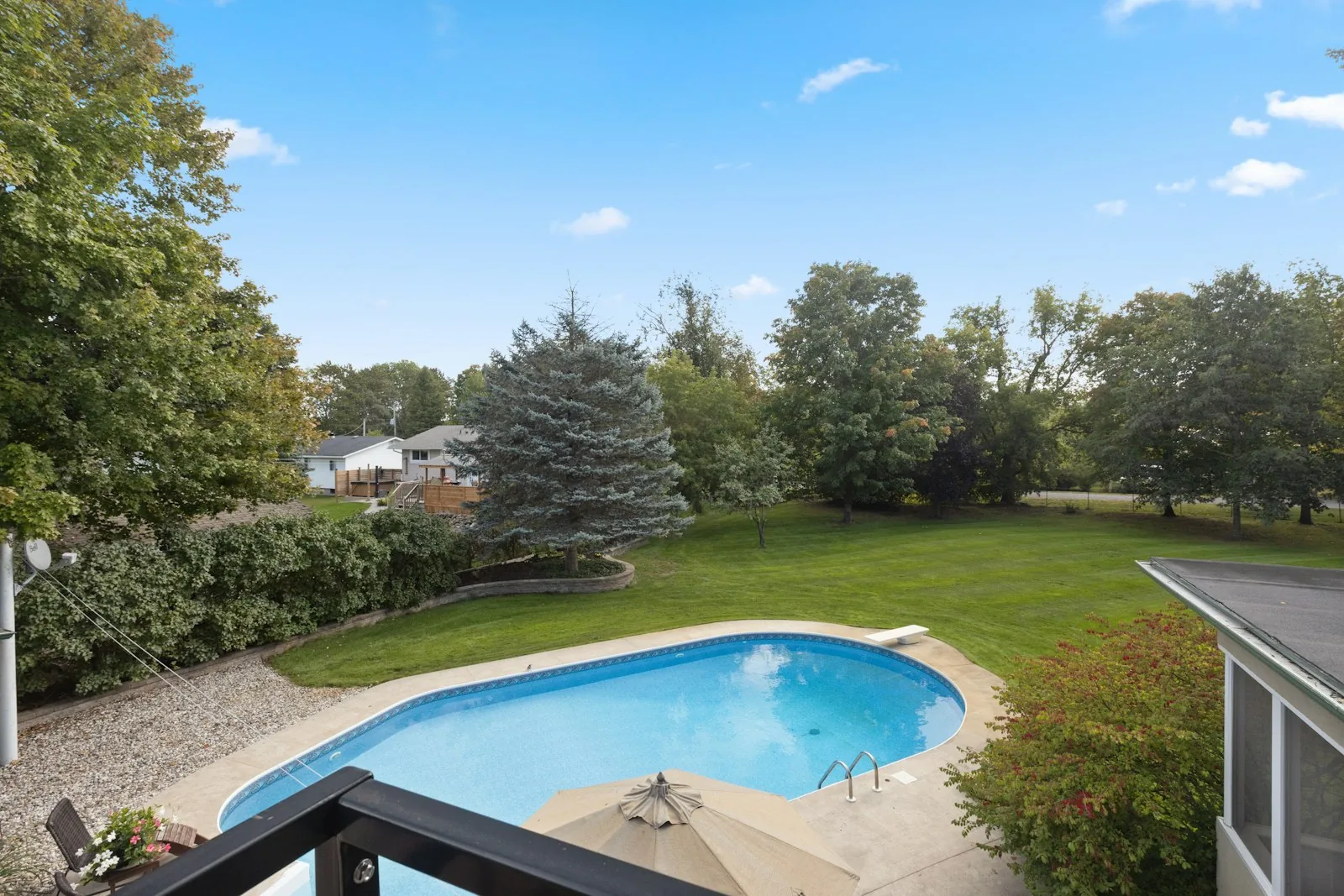
The total cost of a fibreglass pool project in the UK reflects the pool shell, excavation, groundworks, filtration and heating equipment, and installation labour. Each component varies considerably based on pool size, site conditions and the specification level the owner chooses.
UK Cost Ranges and What Affects the Price
A modest fibreglass pool — typically 8m × 4m with a basic filtration system — sits at £25,000 to £40,000 fully installed. Across all sizes, UK fibreglass installations range from £30,000 to £75,000. Labour is a substantial component: residential pool installation requires 400–800 hours of skilled work at £35–£55 per hour, placing the labour bill between £14,000 and £44,000 alone. Site-specific factors — access for craning, groundwork complexity, proximity to structures — can push costs toward the higher end.
Once installed, a residential fibreglass pool costs £100–£200 per month to run, covering chemicals, electricity and filter replacements — approximately £1,200–£2,400 per year. One UK pool owner tracking costs reported £2,800 in the first year of operation, which is consistent with higher initial chemical use as new pools stabilise their water chemistry. A pool heating system adds a further £3,000–£15,000 upfront depending on type; heat pump systems (£12,000–£15,000) reduce ongoing running costs by 60–70% compared to electric resistance heaters.
Installation Process and Timeline
The defining characteristic of fibreglass pool installation is speed. The shell is moulded in a factory as a single unit, transported to the site, and craned directly into an excavated hole — after which groundwork is backfilled and the filtration system connected. The complete process takes 3–4 weeks in standard conditions, compared to 3–6 months for a cast concrete pool.
This speed advantage comes with one material constraint: fibreglass pools are rated to a maximum operating temperature of 28°C, because higher sustained temperatures risk degrading the gel coat. For most UK domestic use this is not a limiting factor — most pool owners heat to 26–28°C — but those wanting a permanently heated lap pool or hydrotherapy pool above that threshold should consider concrete or ceramic alternatives. Fibreglass also has a natural thermal efficiency advantage: the shell material retains heat better than concrete, which some estimates suggest can reduce heating costs by up to 25% compared to an equivalent concrete pool.
UK Suppliers and Pool Shapes Available
The main UK fibreglass pool suppliers source shells from specialist manufacturers, either European or domestic. Aqua Technics, which has been manufacturing fibreglass pools for over 45 years, is distributed and installed in the UK exclusively by XL Pools. Dolphin Pools offers the Wanaka model range from UK stock. Cascade Pools in Suffolk provides bespoke and standard pool shapes. Paramount Pools supplies Tilestone one-piece fibreglass pools. Pool Pro offers complete in-ground fibreglass pool kits for straightforward installations.
Shape selection is constrained by what manufacturers produce and, critically, by what can be transported by road. Fibreglass shells are limited to approximately 4.9 metres in width (16 feet) — wider than that, road transport becomes impractical. Available shapes include rectangular, kidney, lagoon and oval designs, with a limited range of depths and step configurations built into each mould. Unlike concrete, a fibreglass pool cannot be designed to a completely custom brief. For context on how fibreglass compares with the full range of inground pool types, our guide to types of swimming pools covers concrete, vinyl liner and modular systems alongside fibreglass options.
Fibreglass vs Concrete vs Vinyl Liner Pools: Key Differences
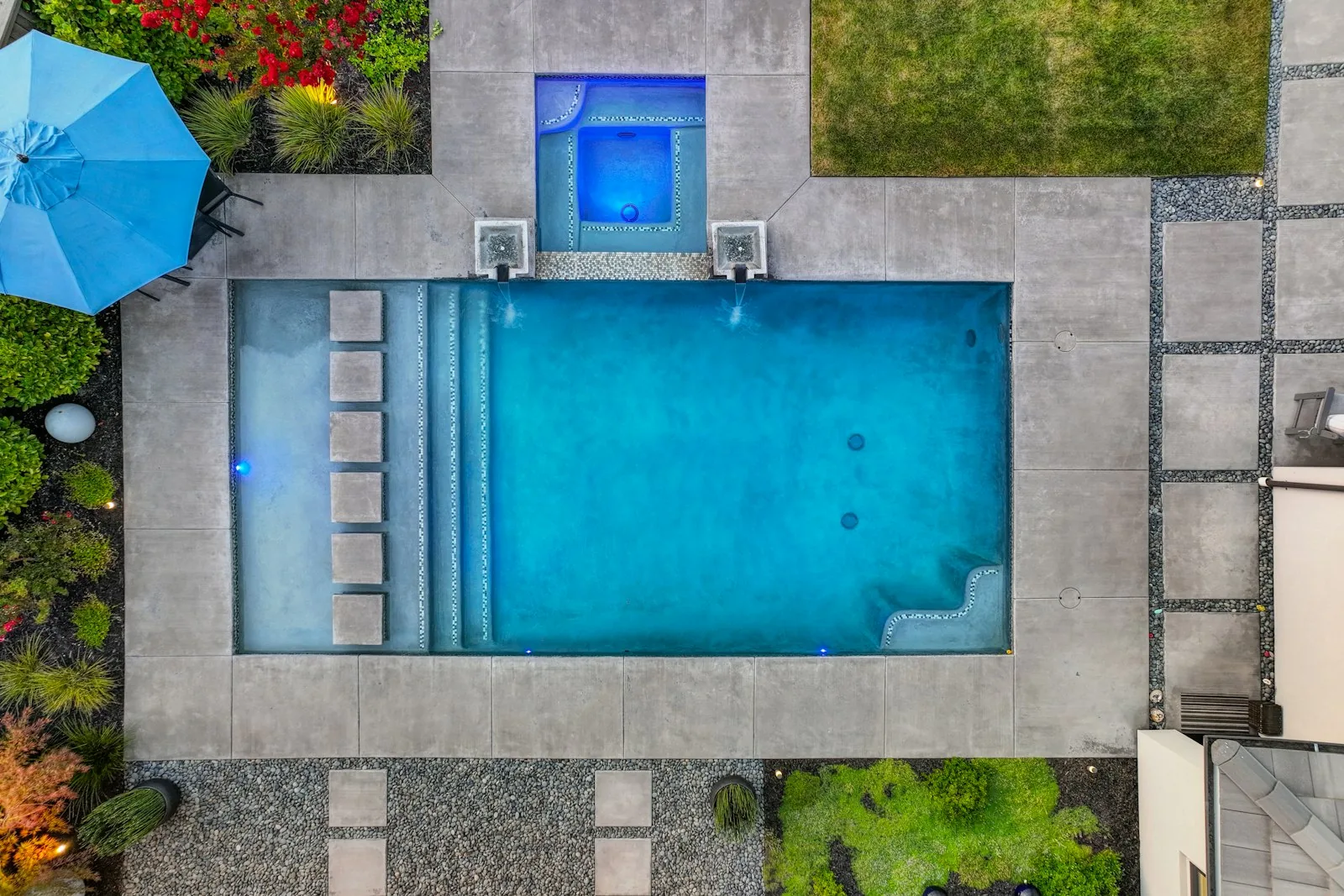
The three main inground pool construction types — fibreglass, concrete (block and render) and vinyl liner — differ significantly in their long-term cost profile, maintenance burden and design flexibility. The upfront cost gap between them is often smaller than buyers expect; the more meaningful differences emerge over a 10–20 year ownership period.
Lifespan, Durability and Maintenance
Fibreglass pools are consistently cited as offering the lowest maintenance burden of the three types. Their smooth, non-porous gel coat surface prevents algae from taking hold, which reduces the frequency and volume of chemical dosing required. With correct water chemistry management, fibreglass pools last 25–50 years — and the gel coat rarely requires resurfacing in the first 20–30 years of use.
Concrete pools require significantly more maintenance: the porous surface promotes algae growth, requiring more frequent chemical treatment and brushing. Acid washing every 3–5 years is standard practice, and resurfacing — which costs £10,000–£20,000 — is typically needed every 10–15 years. Vinyl liner pools have the lowest initial purchase cost but the highest replacement frequency: the liner lasts approximately 7 years on average before needing replacement, at a cost of £4,000–£4,500 per replacement including water refill. Over a 30-year ownership period, a vinyl liner pool will typically require three to four liner replacements.
Osmosis, Temperature and Customisation Limits
The main structural risk specific to fibreglass pools is osmosis — a process in which groundwater passes through the pool shell and into the pool water, causing staining and, in severe cases, structural failure of the shell. This is more prevalent in areas with high water tables or poor drainage. Reputable installations incorporate drainage measures to reduce hydrostatic pressure around the shell. Osmosis is not a risk with concrete or ceramic pools, and buyers in high water-table areas should ask suppliers specifically how the installation addresses this.
The 28°C temperature cap and the shape constraint (manufacturer moulds only) are the two other practical limitations of fibreglass. Concrete pools can be built to any shape, depth or dimension, and can be heated beyond 30°C without material risk — making them the default choice for commercial pools, custom designs and hydrotherapy applications. For domestic swimming pools in the UK, however, where custom shape is not a priority and pool temperatures rarely exceed 28°C, fibreglass offers a compelling combination of fast installation, low running costs and minimal resurfacing requirement over the pool’s lifespan.
| Feature | Fibreglass | Concrete | Vinyl Liner |
|---|---|---|---|
| UK installed cost (8m × 4m) | £25,000–£40,000 | £40,000–£75,000 | Lower upfront |
| Installation time | 3–4 weeks | 3–6 months | 2–4 weeks |
| Lifespan | 25–50 years | 50+ years | Shell: 25+ yrs; liner: ~7 yrs |
| Resurfacing | Rarely needed (20–30 yrs) | Every 10–15 years | Liner every 7 years (~£4,000) |
| Max temperature | 28°C | Unlimited | Unlimited |
| Custom shapes | No — mould-limited | Yes — fully custom | Yes — fully custom |
| Max width | ~4.9m (transport limit) | Unlimited | Unlimited |
For most UK homeowners installing a domestic inground pool for family swimming and relaxation, fibreglass represents the best balance of cost, installation speed and long-term maintenance simplicity. Concrete remains the right choice where a custom shape or depth is required, or where a high water table makes osmosis a significant risk. Vinyl liner pools suit those with the tightest initial budget who accept the recurring liner replacement cost.
Frequently Asked Questions
How much does a fibreglass pool cost in the UK?
A fibreglass pool measuring 8m × 4m with basic filtration costs £25,000–£40,000 fully installed in the UK. Larger or more complex installations — including heating systems, premium covers and upgraded filtration — can reach £75,000. Labour accounts for a significant portion: 400–800 hours at £35–£55 per hour. Annual running costs are approximately £100–£200 per month for chemicals and electricity.
How long do fibreglass pools last?
Fibreglass pools typically last 25–50 years, with high-quality shells expected to last 30 years or more with correct water chemistry maintenance. The gel coat surface rarely requires resurfacing in the first 20–30 years, in contrast to concrete pools which need resurfacing every 10–15 years and vinyl liner pools which require liner replacement approximately every 7 years.
What are the disadvantages of fibreglass pools?
The main disadvantages are: limited to manufacturer shapes (no fully custom design); maximum width of approximately 4.9 metres due to road transport restrictions; maximum operating temperature of 28°C; and risk of osmosis — groundwater passing through the shell in high water-table areas — which can cause staining and potential shell damage. Unlike concrete pools, fibreglass cannot be reshaped or extended after installation.
Is fibreglass or concrete better for a swimming pool?
For most UK domestic installations, fibreglass is the better choice: faster installation (3–4 weeks vs 3–6 months), lower ongoing maintenance, natural heat retention and no resurfacing requirement for 20–30 years. Concrete is better when a fully custom shape, non-standard depth or temperature above 28°C is needed, or in high water-table areas where osmosis risk is significant. Concrete also suits commercial pools where durability under heavy use is the priority.
How long does it take to install a fibreglass pool?
Fibreglass pool installation typically takes 3–4 weeks from excavation to completed installation. The shell arrives pre-moulded in one piece and is craned directly into the excavated hole, after which groundwork, filtration connections and finishing work are completed. This is significantly faster than concrete pool construction, which takes 3–6 months.
Do fibreglass pools need resurfacing?
No — fibreglass pools rarely need resurfacing in the first 20–30 years if water chemistry is correctly maintained. The smooth gel coat surface resists wear, algae and chemical damage better than the porous surface of concrete pools. If the water becomes acidic or chemical balances are persistently wrong, the gel coat can fade or weaken over time, but under normal conditions resurfacing is not a routine requirement in the way it is for concrete pools.