As summer temperatures climb, a dog paddling pool can be one of the simplest ways to keep your pet cool, comfortable and entertained in the garden. With dozens of options now available to UK buyers — from budget inflatables to heavy-duty foldable PVC tubs — choosing the right one takes a little know-how. This guide covers every key decision, from pool type and size to safe introduction techniques, so you and your dog can make the most of the warm weather.
- Foldable PVC pools are the most durable option for dogs with claws — inflatables are the cheapest but puncture easily.
- Match pool size to your dog’s weight: small dogs need around 80 × 20 cm; large dogs or households with multiple dogs should look at 160–180 cm diameter pools.
- Always supervise your dog in and around a paddling pool, and use cool (not ice-cold) fresh water — no chlorine needed.
- Never force your dog into the water; let them approach at their own pace and reward calm, positive behaviour with treats.
Choosing the Right Dog Paddling Pool: Types, Sizes and Prices
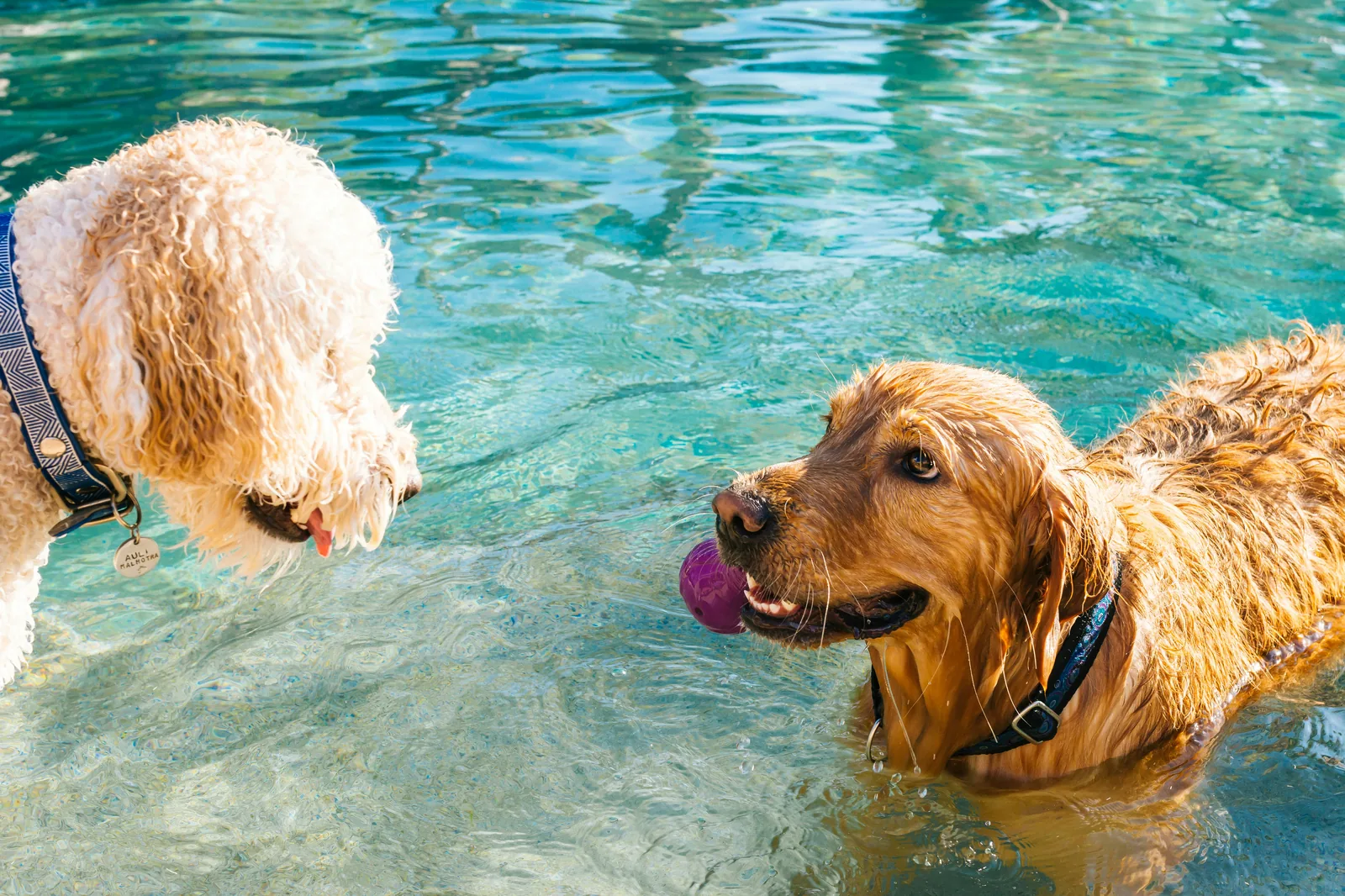
The market for dog paddling pools has expanded considerably over the past few years, which is great news for UK pet owners — but it does mean wading through a lot of choice. The three main categories are foldable PVC pools, inflatable pools and sprinkler pads, each with distinct trade-offs in durability, convenience and price. Understanding the differences before you buy will save you money and frustration, especially if your dog has a habit of using the pool as a digging pit.
Foldable PVC vs Inflatable vs Sprinkler Pads
The type of pool you choose has a significant bearing on how long it will last and how much maintenance it demands. According to Horse & Hound, foldable PVC pools are the most durable option on the market — they withstand dog claws, typically feature built-in drainage valves for easy emptying, and come with non-slip bases that keep the pool stable on patios and lawns. They fold flat for storage and are quick to set up, making them the practical choice for most dog owners.
Inflatables, by contrast, are the cheapest entry point but come with an obvious vulnerability. As Horse & Hound bluntly puts it, “claws and inflatables are never a happy mix.” Even small dogs can puncture an inflatable pool within a single session, so while the upfront cost is low, the ongoing replacement cost can quickly add up. Inflatables are best reserved for very gentle, small dogs or occasional light use.
Sprinkler pads occupy a different niche altogether. Rather than filling with standing water, they attach directly to a garden hose and produce a continuous spray of water for dogs to run through and splash about in. This means no filling, no emptying and no stagnant water to change — a genuine convenience advantage. The Good Kennel Guide highlights the RIOGOO Splash Sprinkler Pad at around £20.99 and the Peteast Sprinkler Pad from £21.99 as popular UK options. They are ideal for dogs who enjoy movement and splashing rather than sitting or lying in still water.
| Type | Best For | Price Range | Durability |
|---|---|---|---|
| Foldable PVC | Most dogs | £19–£140 | High (claw-resistant) |
| Inflatable | Budget / light use | £7–£20 | Low (puncture risk) |
| Sprinkler pad | Dogs who prefer splashing | £20–£35 | High |
Within the foldable PVC category, there is a solid range of well-reviewed products available in the UK. The Lunaoo Foldable pool starts from £25.99 and is available in sizes from 80 cm to 160 cm in diameter, constructed from industrial-grade PVC with a built-in drain. The Furrybaby starts from £19.99 and uses thickened PVC reinforced with a polyester mesh layer for added strength. The Pecute is available from £22.99 in sizes up to 180 cm and usefully includes a silicone cleaning brush and repair patches. For dogs that are particularly hard on equipment, the Trixie pool from £29.99 features scratch-resistant materials and MDF sidewall inserts for extra rigidity. At the premium end, the All For Paws Chill Out Splash Pool from £69.99 combines extra-tough PVC with a self-cooling gel layer — an excellent choice for breeds that struggle in the heat. All prices and product details sourced from Horse & Hound.
Size Guide: Matching Pool to Dog
Getting the size right matters more than many buyers initially realise. A pool that is too small will frustrate your dog and reduce the cooling benefit; one that is far too large for a compact garden may simply be impractical. The guiding principle, according to the Good Kennel Guide, is that your dog should be able to touch the bottom comfortably and have enough room to move around freely — a paddling pool is not a lap pool, but it should not feel like a constraint either.
Horse & Hound offers clear sizing benchmarks: small dogs typically need a pool around 80 × 20 cm; medium dogs are well served by 120 × 30 cm; and large dogs or households with multiple dogs should look at pools in the 160–180 cm diameter range.
| Dog Size | Recommended Pool Size | Example Product |
|---|---|---|
| Small (under 10 kg) | 80 × 20 cm | Furrybaby from £19.99 |
| Medium (10–25 kg) | 120 × 30 cm | Lunaoo from £25.99 |
| Large / multiple dogs | 160–180 cm diameter | Pecute from £22.99 |
If you are unsure whether to size up or down, err on the side of slightly larger — particularly for active breeds. A dog that wants to splash around and cool its belly will appreciate the extra space, and a bigger pool is also more practical if two dogs want to use it at the same time. For further inspiration on larger water features if your budget and garden space allow, it is worth exploring options such as DIY natural swimming pools, which some dog owners in the UK have successfully incorporated into their gardens as a shared human-canine feature.
Using a Dog Paddling Pool Safely
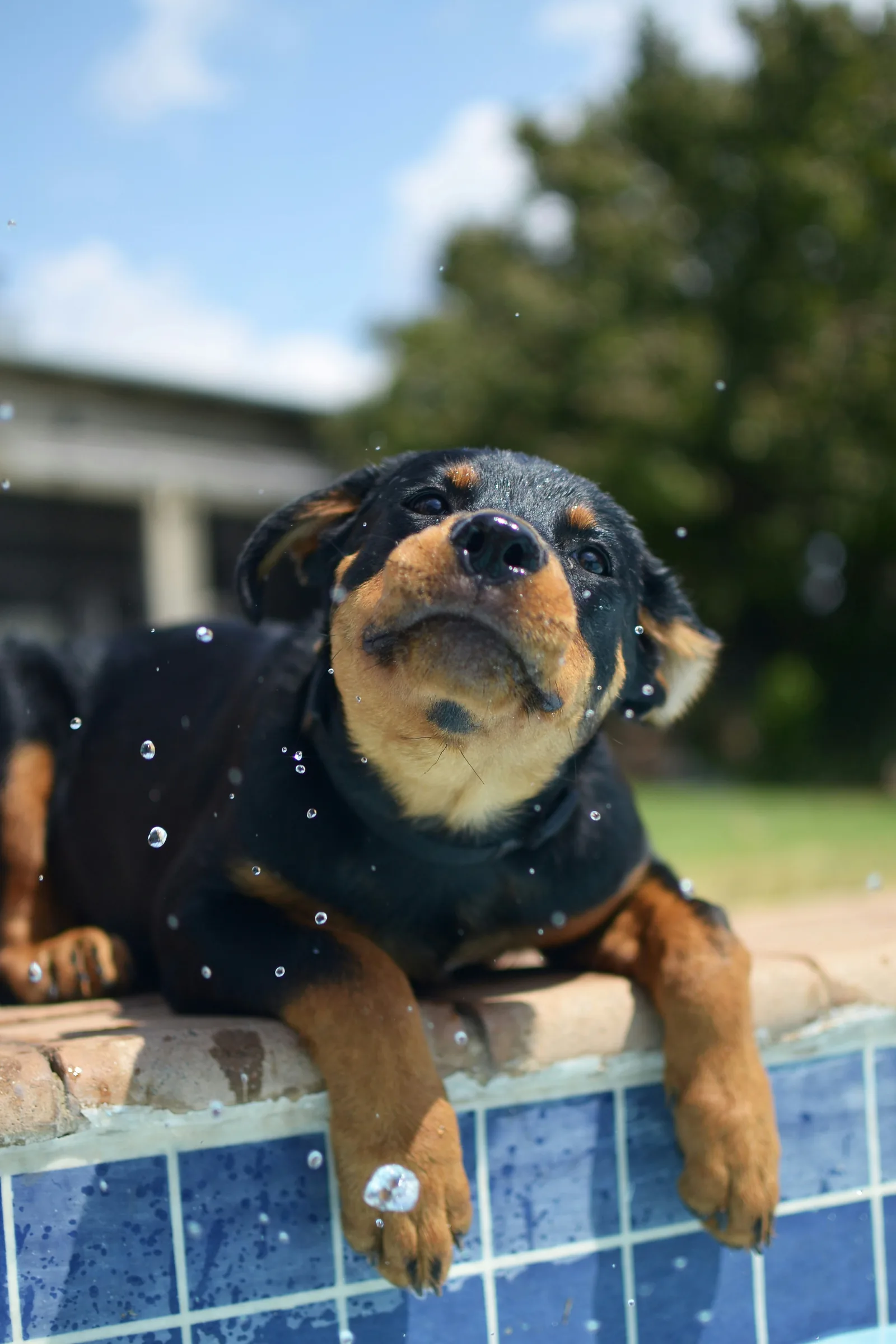
Owning a dog paddling pool is not simply a case of filling it up and walking away. Safe use involves attention to supervision, water quality, temperature and how you introduce your dog to the experience in the first place. Dogs vary enormously in their comfort with water — some will leap in without hesitation, while others need gentle encouragement over several sessions. In either case, a few straightforward precautions will keep the experience positive and risk-free.
Water Safety, Supervision and Hygiene
The most important rule, stated clearly by The Kennel Club, is never to leave your dog unsupervised in or near a paddling pool. Even shallow water poses a risk to puppies, elderly dogs and certain flat-faced breeds, and accidents can happen quickly. Supervision is non-negotiable.
On water temperature, the Good Kennel Guide advises using cool but not ice-cold water. On a hot day, plunging into extremely cold water can cause cold shock, which is particularly risky for older dogs or those with heart conditions. Tap water at ambient temperature, or water that has been standing in the shade for a short while, is ideal.
Regarding water chemistry, there is no need to add chlorine to a dog paddling pool — Horse & Hound confirms that fresh water, changed regularly, is entirely sufficient. Dogs are likely to drink from their paddling pool, so keeping the water clean and chemical-free is important. That said, if your dog occasionally swims in a chlorinated domestic or public pool, research from the American Kennel Club indicates that dogs can briefly swim in water with 1–3 ppm of chlorine without harm — though it is still good practice to rinse your dog off afterwards and check their ears for excess moisture, as Rover recommends, to prevent ear infections developing from trapped water.
Special care is warranted for brachycephalic (flat-faced) breeds such as pugs, bulldogs and French bulldogs. According to ManyPets, these breeds tire quickly in water due to their restricted airways and require extra supervision whenever water is involved — even in a shallow paddling pool. Keep sessions short, watch for signs of fatigue, and always ensure they can easily exit the pool without having to jump or climb.
Introducing Your Dog to the Paddling Pool
A confident, water-loving dog may need no introduction at all — but for many dogs, especially those encountering a paddling pool for the first time, a gradual approach produces far better long-term results than simply placing them in the water. The Kennel Club is clear on this point: never force a dog into water. Doing so can create lasting anxiety around water that is difficult to undo.
Instead, start with an empty or very shallowly filled pool placed in a familiar area of the garden. Let your dog sniff it, stand near it and explore it at their own pace. Once they seem comfortable with the object itself, introduce a small amount of water — just enough to wet their paws. Reward any positive engagement with treats and calm praise. Over subsequent sessions, gradually increase the water depth as your dog’s confidence grows.
Toys and treats placed at the bottom of the pool (in shallow water) can make the experience more appealing. Some dogs are more motivated by play than food, so a favourite floating toy can be a powerful incentive. The key is to keep each session short and positive, ending on a good note before your dog becomes tired or anxious. With patient, reward-based introductions, most dogs — including those who were initially hesitant — learn to enjoy their paddling pool within a few sessions.
A dog paddling pool is a genuinely worthwhile investment for UK pet owners with a garden, offering a safe and simple way to manage heat and provide enrichment through the warmer months. Choose the right type and size for your dog, keep the water fresh, supervise every session and let your dog set the pace — and you will likely find they come to regard it as one of their favourite summer fixtures.
Frequently Asked Questions
What is the best paddling pool for dogs?
Foldable PVC pools are generally the best choice for dogs in the UK — brands like Lunaoo (from £25.99), Furrybaby (from £19.99) and Pecute (from £22.99) are well-reviewed. They withstand dog claws, have non-slip bases and built-in drains.
Are dog paddling pools safe?
Yes, when used with basic precautions. Always supervise your dog near water, use cool (not ice-cold) fresh water, and never force your dog in. Brachycephalic breeds (pugs, bulldogs) need extra supervision as they tire quickly in water.
Can dogs use normal paddling pools?
Yes, but standard children’s inflatable paddling pools are not ideal — dog claws easily puncture them. Foldable PVC pools designed specifically for dogs are more durable and better suited to canine use.
How big should a paddling pool be for a dog?
Small dogs (under 10 kg) typically need around 80 × 20 cm; medium dogs suit 120 × 30 cm; large dogs or multiple dogs need 160–180 cm diameter. The dog should be able to touch the bottom and move around comfortably.
How often should you change the water in a dog paddling pool?
Change the water every day or two, or sooner if it becomes visibly dirty. Dogs drink from their paddling pools, so fresh water is important for hygiene. No need to add chlorine — plain tap water is sufficient.
Are inflatable pools safe for dogs?
Inflatable pools are not ideal for dogs as claws can puncture them easily. They are acceptable for very gentle or small dogs with light claws, but foldable PVC pools are far more durable and better value over time.
Do you need to add anything to a dog paddling pool?
No. Fresh tap water is all you need — do not add chlorine or other chemicals to a dog paddling pool. Dogs are likely to drink the water, so keeping it chemical-free is important.
What breeds struggle with paddling pools?
Brachycephalic (flat-faced) breeds such as pugs, English bulldogs and French bulldogs tire quickly in water due to their restricted airways. These dogs need very short supervised sessions and shallow water, with easy entry and exit.