The short answer is yes — dogs can safely swim in a properly maintained chlorine pool. At the concentrations found in a typical domestic or public pool, chlorine poses no immediate risk to a healthy dog. The concerns most dog owners have are real but manageable, and understanding where the genuine risks lie makes it easy to give your dog a safe swim. This guide covers what the science says, what aftercare your dog needs, and when to keep them out of the water entirely.
- Standard pool chlorine at 1–3 ppm is safe for dogs to swim in — a quick dip poses minimal risk to a healthy dog.
- Concentrated chlorine products (tablets, shock treatment) are the real danger — dogs must be kept away from these and out of the pool during and after shocking.
- A study of 412 dogs found dry hair and skin as the most common effects from regular chlorinated pool swimming, with ear infections in around 6%.
- After every swim: rinse with fresh water, dry ears thoroughly, and ensure fresh drinking water is available to reduce pool water ingestion.
Is Chlorine Safe for Dogs to Swim In?
Chlorine Levels and What They Mean for Dogs
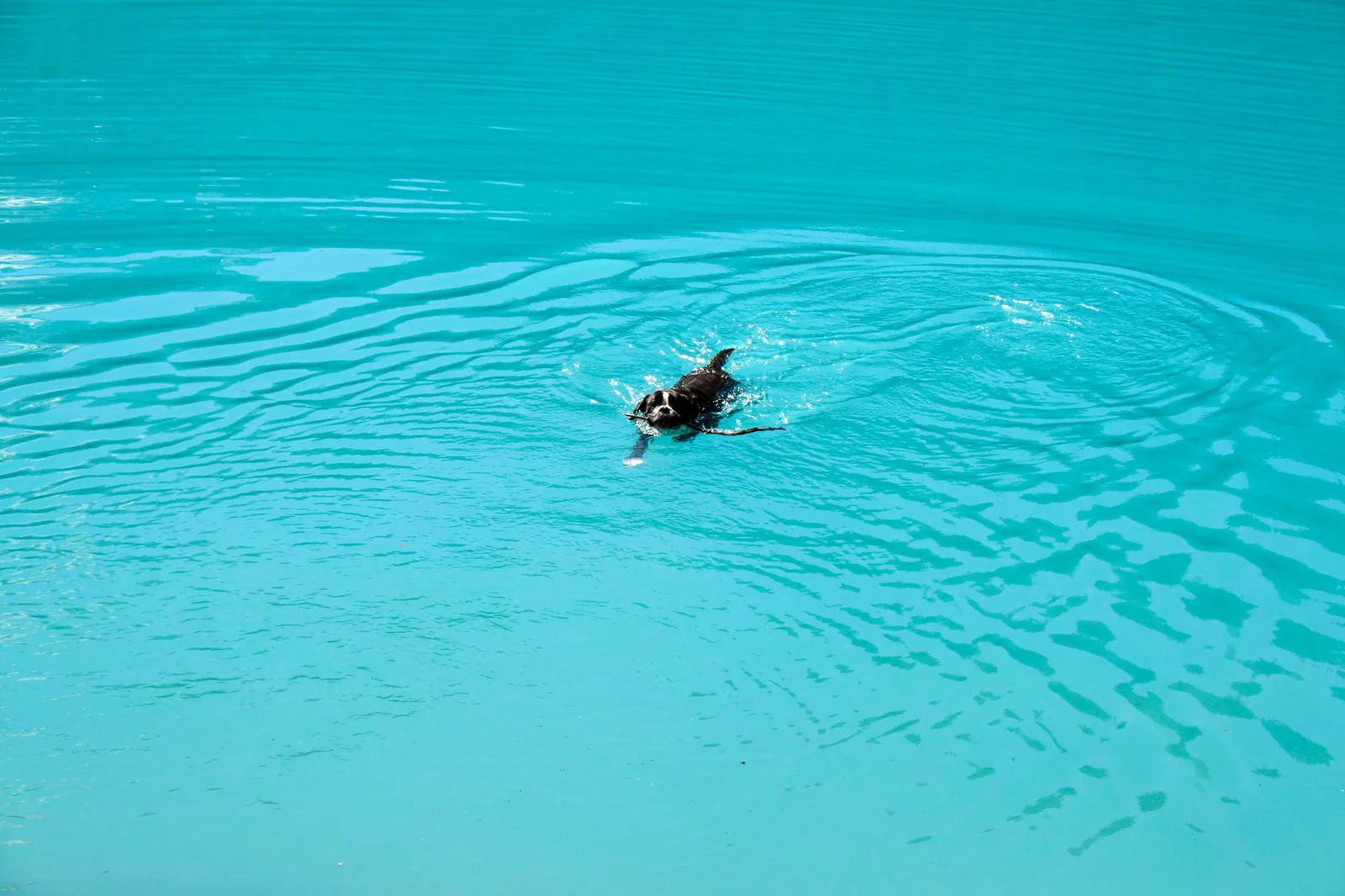
A well-maintained swimming pool typically contains chlorine at 1–3 parts per million (ppm) — the same standard that applies to pools used by humans. At this concentration, chlorine is safe for dogs. The American Kennel Club’s Chief Veterinary Officer, Dr. Jerry Klein, puts it plainly: “the amount in a pool is negligible, but the toxic concerns are with dogs getting into chlorine tablets.” It is the concentrated form — tablets, granules and shock treatment — that carries genuine risk, not the diluted water in a maintained pool.
This distinction matters practically. A dog that swims briefly in your pool while it is correctly maintained is in no danger. A dog that chews on a chlorine tablet, or is allowed to swim immediately after the pool has been shocked with a high-dose treatment, faces a very different level of exposure. Dogs should always be kept away from chlorine products in storage and out of the water during or immediately after pool shocking, when chlorine concentrations are temporarily far above normal swimming levels.
Skin, Eyes, Ears and Drinking Water: The Key Risks
The effects of regular chlorinated pool swimming on dogs have been studied in detail. A peer-reviewed study of 412 dogs swimming in chlorinated pools found the following side effects, ranked by frequency:
| Side Effect | Frequency |
|---|---|
| Dry hair | 20.63% |
| Dry skin | 18.93% |
| Armpit abrasions | 15.78% |
| Red eyes | 13.59% |
| Ear infections (otitis) | 6.31% |
All of these effects increased in frequency with swimming regularity and session length. The takeaway is that occasional swimming causes minimal issues; daily or intensive pool use requires more consistent aftercare. The AKC notes that dogs’ eyes and ears are more sensitive than humans’, but clarifies that floppy-eared breeds develop ear infections primarily from trapped moisture rather than from chlorine itself.
Drinking pool water is a separate consideration. A few sips are unlikely to cause harm, but large amounts of chlorinated water can upset a dog’s stomach, causing vomiting and diarrhoea. Dogs that are thirsty will drink whatever is available, so providing fresh water before and during a swim session significantly reduces how much pool water they ingest. Dogs with pre-existing skin conditions, allergies or respiratory sensitivities may be more affected by chlorine and should be checked by a vet before regular pool swimming begins.
After-Swim Care and When to Avoid the Pool
What to Do After Your Dog Swims in a Chlorine Pool
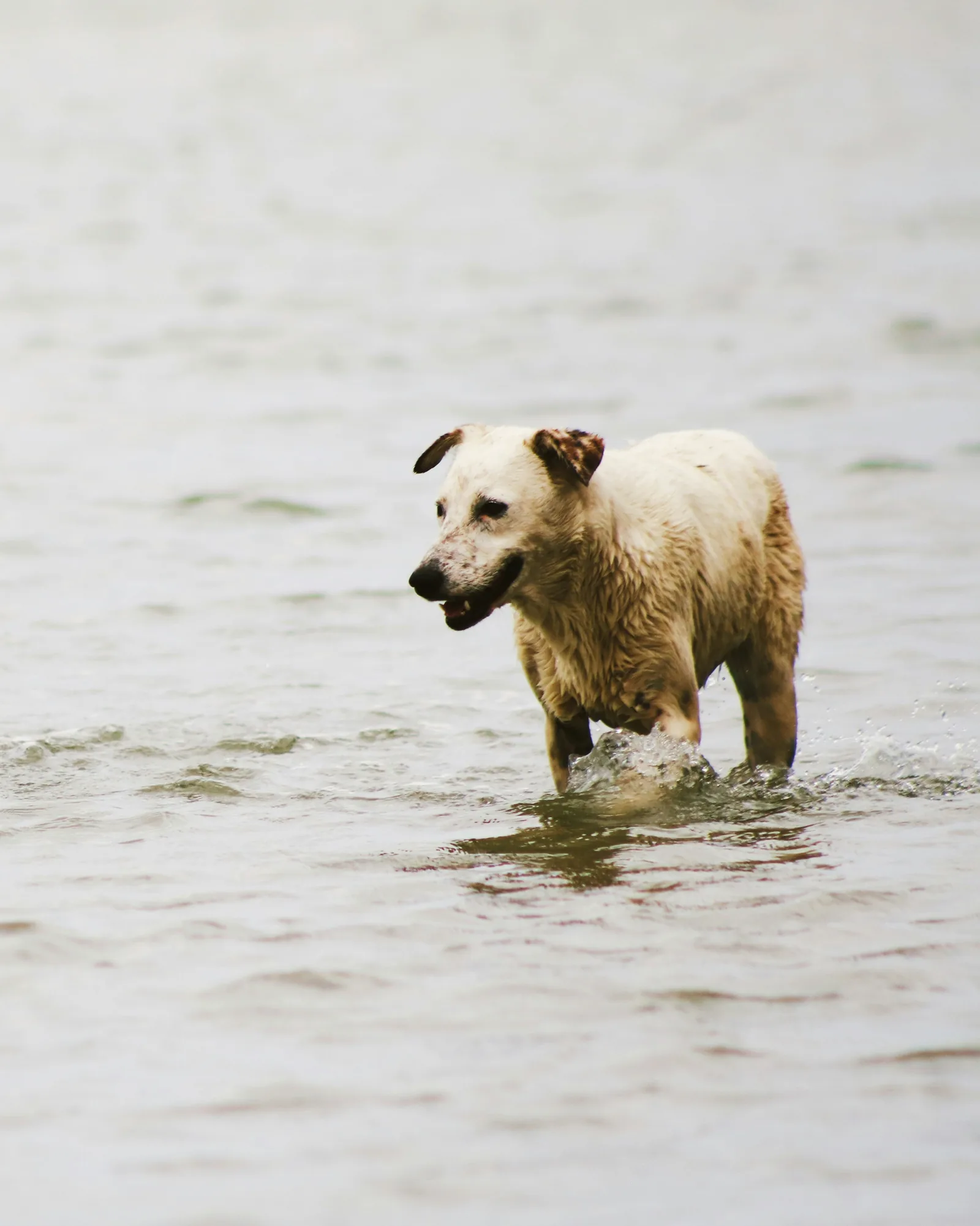
A consistent post-swim routine prevents most of the problems associated with chlorinated pool swimming. The steps are straightforward:
Rinse thoroughly with fresh water. A full rinse after every swim removes chlorine residue from the coat and skin before it has time to cause dryness or irritation. This is the single most effective thing you can do and takes less than two minutes. Pay particular attention to the paw pads and armpits, which are prone to abrasion and are less well-flushed by simply hosing the topcoat.
Dry the ears carefully. Use a clean towel to gently dry the ear flap and the outer ear canal after every swim. The AKC recommends thorough ear drying to prevent the dampness that leads to infection — moisture trapped in a dog’s ear canal creates the warm, moist conditions in which bacteria thrive. This is especially important for dogs with long or floppy ears.
Provide fresh water. Offer your dog clean drinking water before the swim session begins and have it readily available afterwards. A dog that is not thirsty is much less likely to drink pool water during a swim.
If you are setting up a dedicated pool for your dog rather than sharing your own, our guide to dog paddling pools covers the best options for UK buyers — including foldable PVC pools that handle dog claws far better than inflatables.
When Dogs Should Not Swim in Chlorine Pools
There are several situations where the pool should be off-limits, or where extra caution is warranted:
During and after pool shocking. Shock treatment temporarily raises chlorine levels to several times the normal swimming concentration. Depending on the product and dosage, this can mean chlorine levels of 10 ppm or higher — far above the safe 1–3 ppm threshold. Keep dogs out of the water until chlorine levels return to normal, which typically takes 24–48 hours depending on conditions. Test the water before allowing dogs back in.
Dogs with skin or health conditions. Dogs with eczema, allergies, open wounds, ear problems or respiratory conditions such as asthma should be assessed by a vet before swimming in chlorinated water. For these dogs, a plain-water paddling pool is likely a better option.
Puppies, elderly dogs and flat-faced breeds. Brachycephalic breeds (pugs, French bulldogs, English bulldogs) tire rapidly in water and are poor swimmers regardless of chlorine levels — they need very close supervision and very shallow water. Elderly dogs and very young puppies also need extra care in and around any pool.
Salt water pools follow a similar safety profile to chlorine pools — the salt is converted by the pool’s electrolytic system into low-level chlorine, so the same precautions apply. Some owners choose bromine pools as a gentler alternative, though the same principle holds: safe levels during normal use, dangerous only if the product is ingested in concentrated form or the pool has been freshly dosed.
Frequently Asked Questions
Is chlorine in pools safe for dogs?
Yes, at standard pool levels of 1–3 ppm, chlorine is safe for healthy dogs to swim in. Risks increase with swimming frequency and duration, and dogs with pre-existing skin conditions or allergies may need a vet check before regular pool use.
What happens if a dog drinks chlorinated pool water?
A few sips are unlikely to cause harm. Drinking large amounts can cause an upset stomach, vomiting and diarrhoea. Always provide fresh drinking water before and after swimming to reduce how much pool water your dog ingests.
How much pool water is dangerous for a dog?
A few sips cause minimal harm. Large volumes of chlorinated pool water (1–3 ppm) can cause GI upset. Concentrated chlorine products (tablets, shock treatment at 10+ ppm) are much more dangerous — even small ingestion of concentrated chlorine warrants immediate vet contact.
Should I rinse my dog after swimming in a chlorine pool?
Yes, always. Rinse with fresh water after every swim to remove chlorine residue from coat and skin, and dry ears thoroughly with a towel to prevent moisture-related ear infections.
Can chlorine hurt a dog’s ears?
Chlorine at pool levels is not the primary cause of ear infections — trapped moisture is. A study of 412 dogs found otitis (ear infections) in 6.31% of pool-swimming dogs. Floppy-eared breeds are most at risk. Drying the ear canal after every swim reduces this risk significantly.
Can dogs swim in saltwater pools?
Yes. Salt water pools use electrolysis to convert salt into low-level chlorine (1–3 ppm), so the safety profile is similar to a traditionally chlorinated pool. The same aftercare applies: rinse with fresh water and dry the ears.
Are pool chemicals dangerous for dogs?
Chlorine at pool concentrations (1–3 ppm) is not dangerous. Concentrated chlorine tablets, granules and shock treatment are genuinely dangerous and must be stored securely away from dogs. Never allow dogs to swim during or immediately after pool shocking.
What are signs of chlorine poisoning in dogs?
Signs include vomiting, drooling, coughing, difficulty breathing and skin irritation. These typically result from ingesting concentrated chlorine products rather than diluted pool water. If you suspect chlorine poisoning, contact your vet immediately.